
According to FOX NEWS
A Behind-the-Scenes Look at Bakery Handling
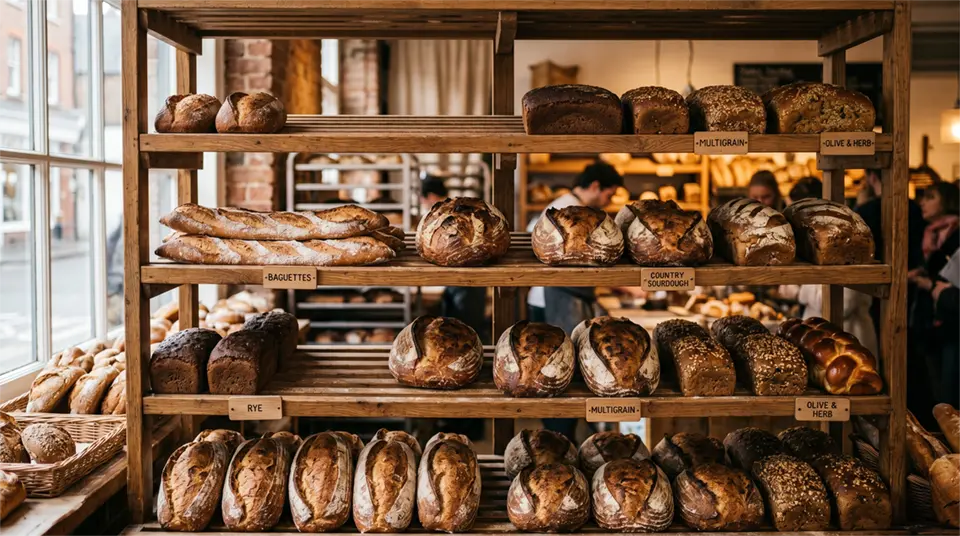
A recent report by Fox News highlights an often-overlooked aspect of food retail: why freshly baked goods are typically not sold while still hot. According to insights shared by a warehouse retailer employee, the decision is not merely about presentation or handling convenience, but primarily about preventing mold growth and maintaining product safety.
For many consumers, the appeal of warm baked goods is immediate and sensory—fresh from the oven, aromatic, and soft. However, from a food safety perspective, selling baked items while they are still hot introduces risks that are less visible but scientifically significant.

Heat, Moisture, and Condensation
The key issue lies in the interaction between heat and moisture. When baked goods are packaged while still hot, they release steam. This steam becomes trapped inside packaging, leading to condensation as the temperature gradually decreases.
Condensation creates a moist environment within sealed containers—conditions that are highly favorable for mold growth. Even if the product leaves the oven free of contamination, the introduction of moisture during cooling can accelerate microbial development.
In this sense, heat does not eliminate risk entirely; instead, it can contribute to conditions that promote spoilage once the product begins to cool.

Mold Growth in Sealed Environments
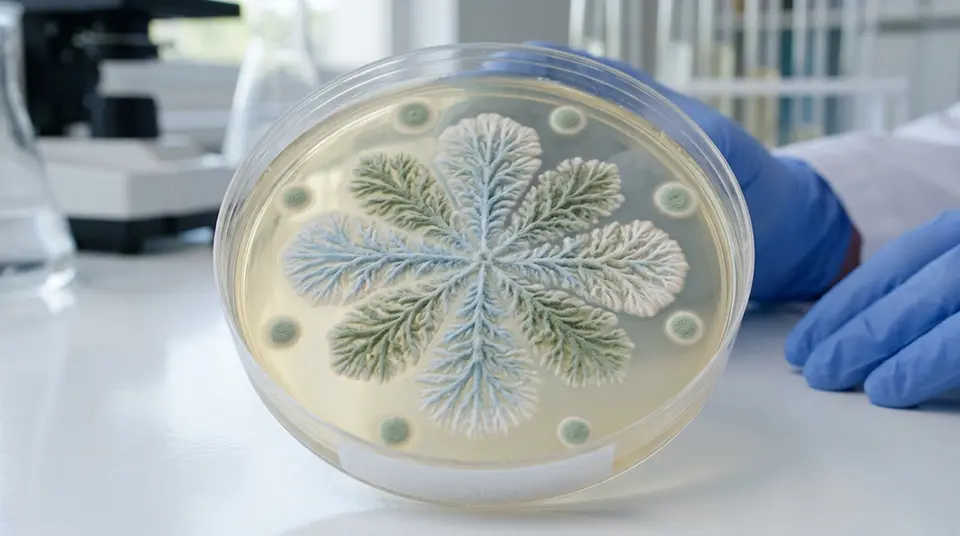
Mold spores are naturally present in the environment and can settle on food surfaces after baking. Under dry conditions, their growth may remain limited. However, when moisture is introduced—particularly in enclosed spaces—the spores can germinate and spread.
Packaging hot baked goods effectively creates a microenvironment where humidity is elevated and airflow is restricted. This combination allows mold to develop more rapidly than it would under properly cooled and ventilated conditions.
As a result, products that might otherwise remain fresh for several days can spoil much sooner if packaged prematurely.

Cooling as a Critical Step
To mitigate this risk, bakeries implement a controlled cooling process before packaging. Allowing baked goods to cool to an appropriate temperature ensures that excess moisture dissipates into the surrounding air rather than becoming trapped.
This step is not merely procedural but essential for maintaining both product quality and shelf life. Proper cooling reduces internal humidity, limiting the conditions necessary for mold proliferation.
In large-scale retail environments, where products are packaged in bulk and stored for distribution, this practice becomes even more critical.

Balancing Freshness and Safety
The delay between baking and sale may appear counterintuitive to consumers seeking maximum freshness. However, this interval represents a balance between immediate sensory appeal and longer-term safety.
Retailers prioritize consistency and reliability, ensuring that products remain safe to consume throughout their intended shelf life. Selling items while hot could compromise this objective, leading to increased spoilage and potential waste.
Food Safety Standards and Industry Practice
The approach described aligns with broader food safety principles observed across the industry. Managing moisture, temperature, and exposure is fundamental to preventing microbial growth in food products.
These principles apply not only to baked goods but also to a wide range of perishable items. The case of bakery products illustrates how even small variations in handling—such as the timing of packaging—can have significant effects on microbial behavior.
The Role of Consumer Awareness
For consumers, understanding these practices provides context for what might otherwise seem like a limitation. The absence of hot baked goods on store shelves is not a reflection of availability but a deliberate measure to ensure product integrity.
At home, similar principles can be applied. Allowing baked goods to cool before storage, avoiding airtight containers while items are still warm, and maintaining dry conditions can help extend freshness and reduce spoilage.

A Subtle but Important Detail
The decision not to sell baked goods hot reflects a broader reality in food systems: safety often depends on controlling invisible factors. Moisture, temperature, and microbial presence interact in ways that are not immediately apparent but have tangible consequences.
In this case, the simple act of waiting for a product to cool becomes a critical step in preventing mold growth and ensuring that food remains safe from production to consumption.
References
Pitt, J. I., & Hocking, A. D. (2009). Fungi and Food Spoilage. Springer.
According to FOX NEWS
Key Takeaways
- A recent report by Fox News highlights an often-overlooked aspect of food retail: why freshly baked goods are typically not sold while still hot.
- For many consumers, the appeal of warm baked goods is immediate and sensory—fresh from the oven, aromatic, and soft.
- The key issue lies in the interaction between heat and moisture.
- Condensation creates a moist environment within sealed containers—conditions that are highly favorable for mold growth.
- In this sense, heat does not eliminate risk entirely; instead, it can contribute to conditions that promote spoilage once the product begins to cool.
Frequently Asked Questions
What should you know about a Behind-the-Scenes Look at Bakery Handling?
A recent report by Fox News highlights an often-overlooked aspect of food retail: why freshly baked goods are typically not sold while still hot. According to insights shared by a warehouse retailer employee, the decision is not merely about presentation or handling convenience, but primarily about
What should you know about heat, Moisture, and Condensation?
The key issue lies in the interaction between heat and moisture. When baked goods are packaged while still hot, they release steam. This steam becomes trapped inside packaging, leading to condensation as the temperature gradually decreases.
What should you know about mold Growth in Sealed Environments?
Mold spores are naturally present in the environment and can settle on food surfaces after baking. Under dry conditions, their growth may remain limited. However, when moisture is introduced—particularly in enclosed spaces—the spores can germinate and spread.
What should you know about cooling as a Critical Step?
To mitigate this risk, bakeries implement a controlled cooling process before packaging. Allowing baked goods to cool to an appropriate temperature ensures that excess moisture dissipates into the surrounding air rather than becoming trapped.
What should you know about balancing Freshness and Safety?
The delay between baking and sale may appear counterintuitive to consumers seeking maximum freshness. However, this interval represents a balance between immediate sensory appeal and longer-term safety.