According to NATURE
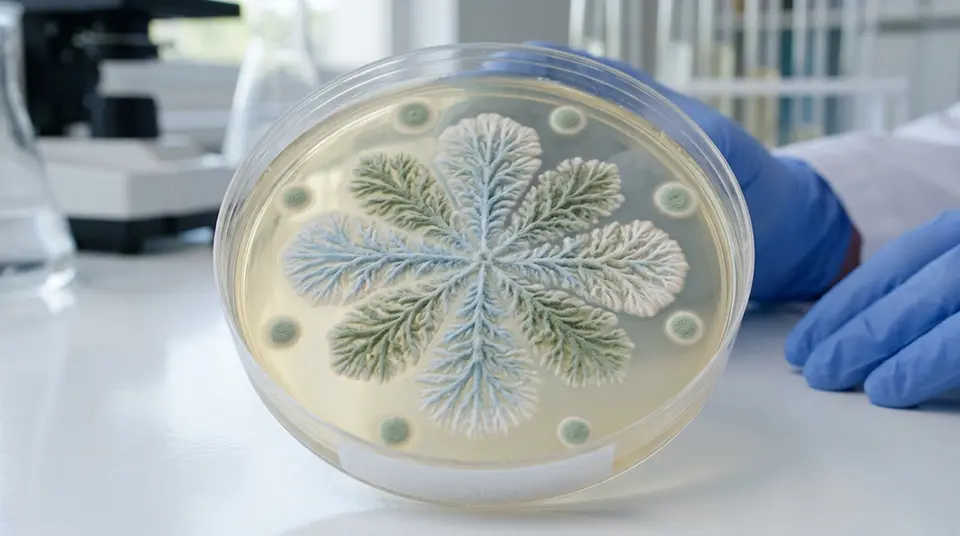
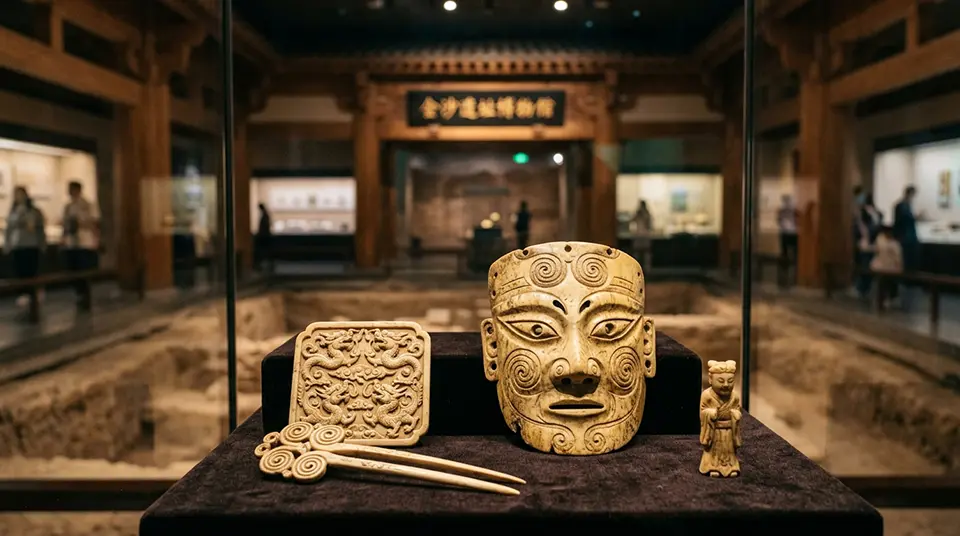
Researchers have identified fungi as a major contributor to the deterioration of ancient ivory artifacts preserved at the Jinsha archaeological site in China, revealing how microorganisms can continue damaging valuable cultural heritage even after protective conservation measures have been applied. The study, published as a 2026 preprint titled Deterioration-Associated Fungi in Silicone Rubber-Sealed Ancient Ivory at Jinsha Site, investigated ancient ivory objects that had been sealed with silicone rubber to reduce environmental degradation. Over time, conservators observed discoloration of the silicone coating and the appearance of white, fuzzy fungal growth on the artifact surfaces. The findings provide new insight into the biological processes driving deterioration and offer practical recommendations for protecting archaeological materials from fungal damage.

Using microscopy, high-throughput DNA sequencing, fungal isolation, and genomic analysis, researchers discovered that the dominant microorganisms colonizing both the silicone rubber and the ancient ivory belonged primarily to the genus Trichoderma. A fungal strain identified as Trichoderma rifaii JS-6 demonstrated an exceptional ability to survive under the nutrient-poor, low-oxygen conditions found within sealed conservation environments. Rather than preventing biological activity entirely, the silicone seal created an environment where specialized fungi capable of adapting to extreme conditions could continue growing. The study found that the fungus produced pigments responsible for discoloration as well as organic acids that gradually weakened the structural integrity of the ivory, posing both aesthetic and physical risks to these irreplaceable archaeological artifacts.

To better understand the deterioration process, scientists evaluated several conservation treatments against the isolated fungus. Mechanical removal of visible fungal hyphae significantly reduced microbial growth, but the most effective overall strategy combined physical cleaning with the application of a 0.01% solution of 4,5-dichloro-2-octyl-isothiazolone, a biocidal compound capable of preventing fungal recolonization while minimizing damage to the artifact. The researchers emphasize that indiscriminate use of chemical fungicides should be avoided because conservation treatments must balance microbial control with long-term preservation of fragile historical materials. Instead, treatment protocols should be based on accurate identification of the responsible microorganisms and a thorough understanding of their biological characteristics.

The findings highlight the growing importance of microbiology in cultural heritage conservation. Fungi are increasingly recognized as significant biodeterioration agents capable of damaging archaeological objects, museum collections, historical documents, wood, textiles, stone, leather, and ivory through pigment production, acid secretion, enzymatic degradation, and physical penetration by fungal hyphae. As conservation science advances, integrating genomic sequencing, microbial ecology, and preventive environmental monitoring may allow conservators to identify deterioration risks before irreversible damage occurs. Related research on the nearby soil and earthen structures at Jinsha has similarly shown that microbial community composition shifts measurably with the degree of site deterioration, reinforcing the broader link between biological activity and cultural heritage decay. Researchers believe the study provides an important scientific foundation for preserving ancient ivory and other organic archaeological materials while demonstrating that successful conservation requires managing not only environmental conditions but also the complex microbial communities capable of colonizing protected artifacts.
References
According to NATURE