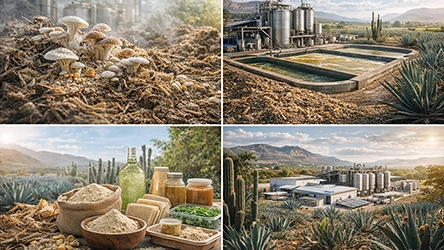
From Waste to Resource: A Mexican Innovation Story
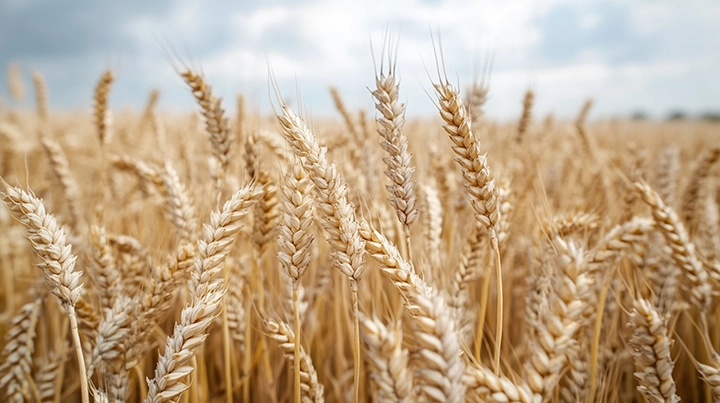
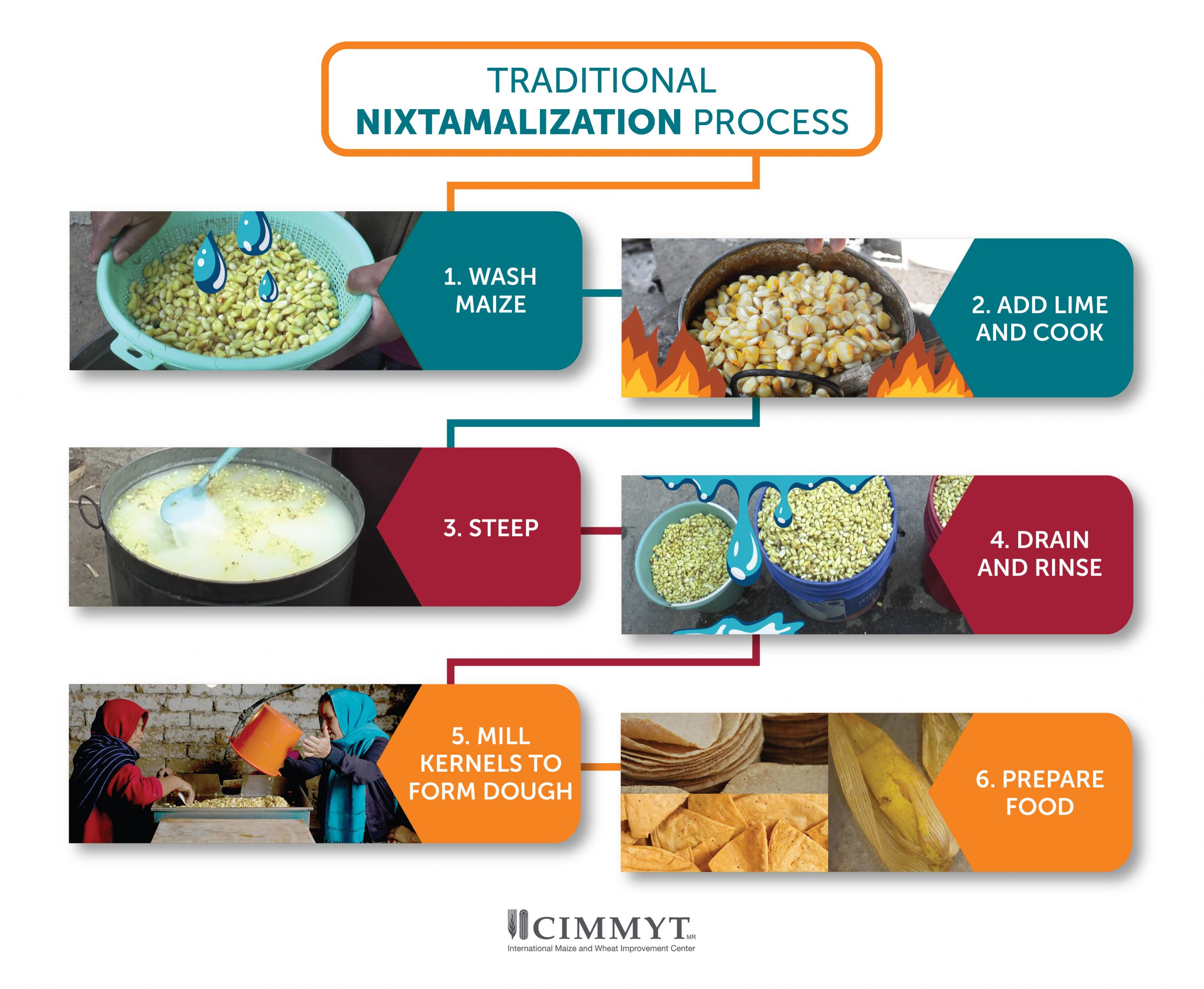
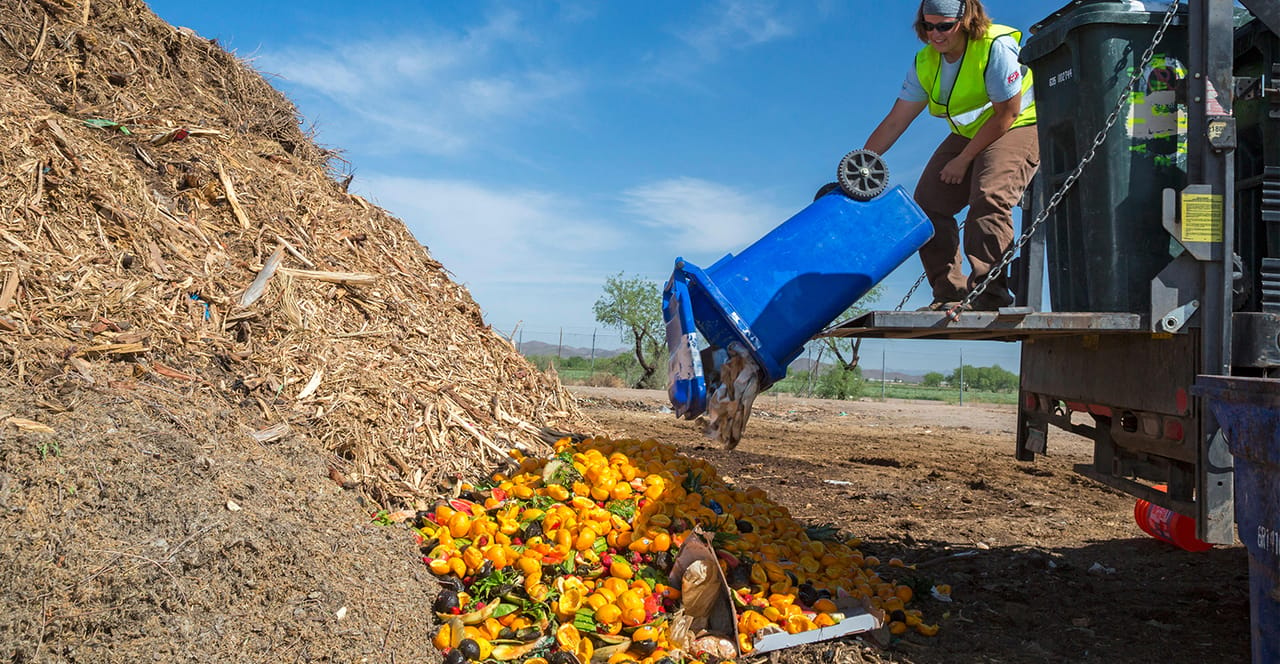
In the agricultural heartlands of Mexico, two massive but undervalued byproducts—agave bagasse and nejayote—are being reimagined not as waste, but as untapped resources for sustainable production. Agave bagasse, the fibrous residue left after agave hearts are pressed for mezcal or tequila, often ends up in landfills or is simply burned. Nejayote, the alkaline wastewater created during traditional tortilla-making, has typically been discharged into waterways, contributing to significant pollution. For decades, both have posed a headache for producers and a threat to local ecosystems.

Fungi to the Rescue: Solid-State Fermentation Steps In
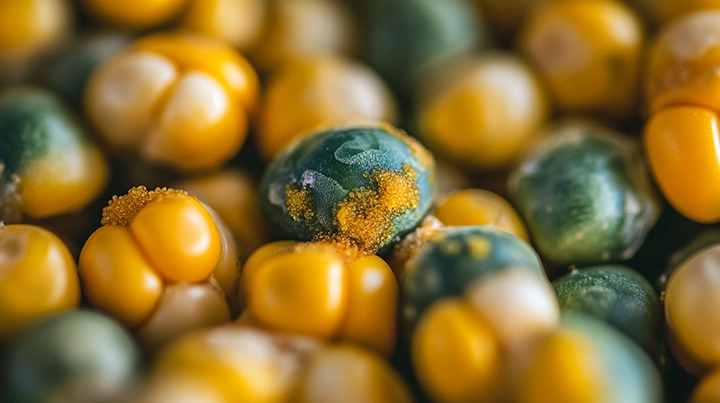
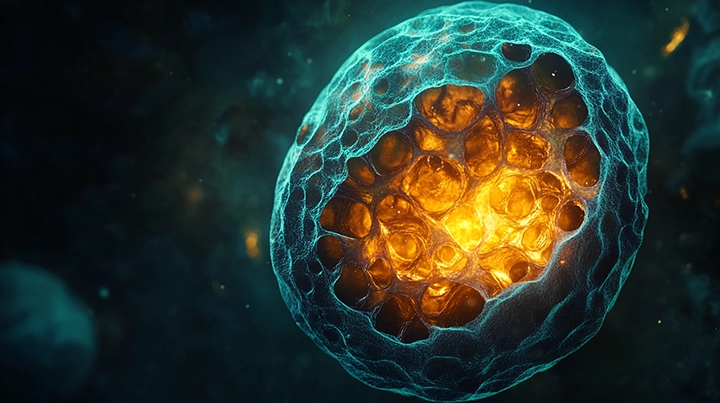
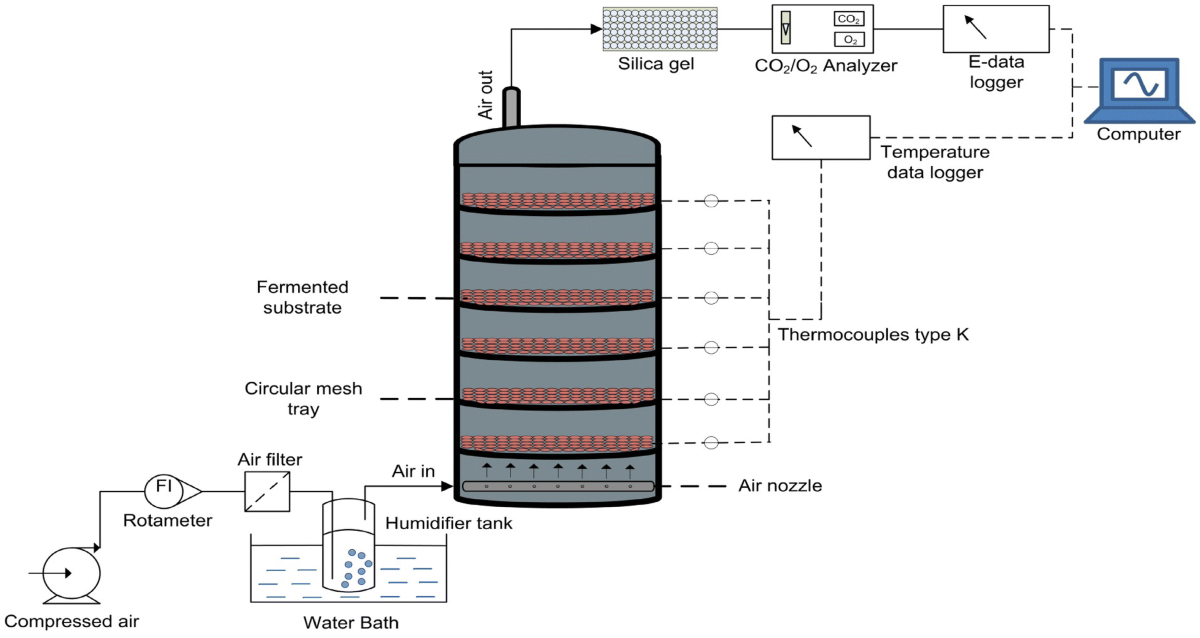
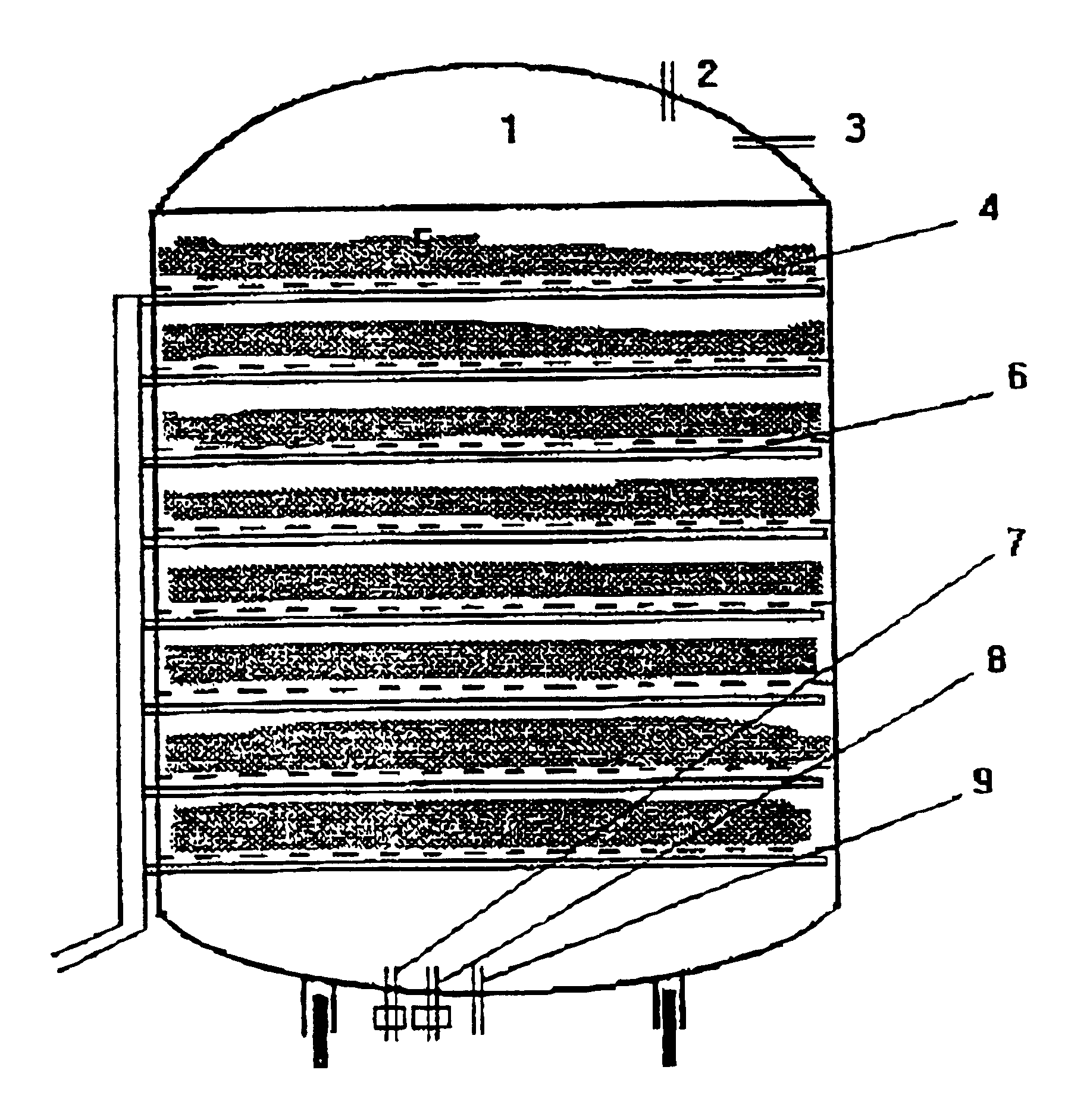
A new study published in Biotechnology Reports reveals that the solution might lie in the world of fungi. By harnessing the remarkable abilities of select molds and mushrooms, researchers are now transforming these challenging leftovers into a valuable feedstock through a process called solid-state fermentation (SSF). This low-water, low-energy technique enables fungi to thrive directly on the pretreated plant residues and harsh nejayote, breaking them down and converting them into protein-rich, nutritionally valuable fungal biomass.

How It Works: The Science of Fungal Upcycling
What sets solid-state fermentation apart is its resourcefulness and efficiency. Instead of requiring vast amounts of water or energy-intensive processing, SSF allows fungi to grow on solid agricultural leftovers. Pretreatment steps, such as adjusting pH or shredding the fibers, make the agave bagasse and nejayote more accessible. Once fungi are introduced, they get to work colonizing the substrate, digesting lignin and cellulose, and neutralizing the high alkalinity that would otherwise hinder microbial life. The process doesn’t just detoxify and stabilize the waste—it actively converts it into something beneficial.
Environmental Impact: Cleaner Industries, Greener Future
The environmental implications are profound. Nejayote, with its high chemical oxygen demand, has long been a pollutant in Mexican waterways, while piles of agave bagasse represent both a disposal burden and a fire hazard. Through fungal fermentation, both issues are tackled at once: the environmental footprint of local industries shrinks while new, sustainable products are created. In essence, this research is offering a blueprint for turning what was once considered a liability into an engine for circular bioeconomy.


From Fermenter to Table: Food, Feed, and Beyond
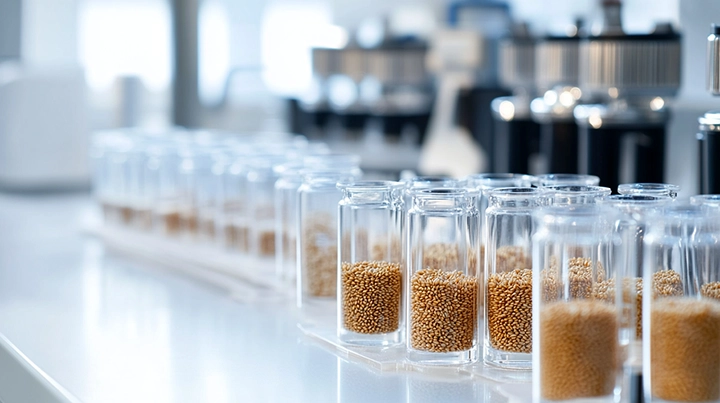
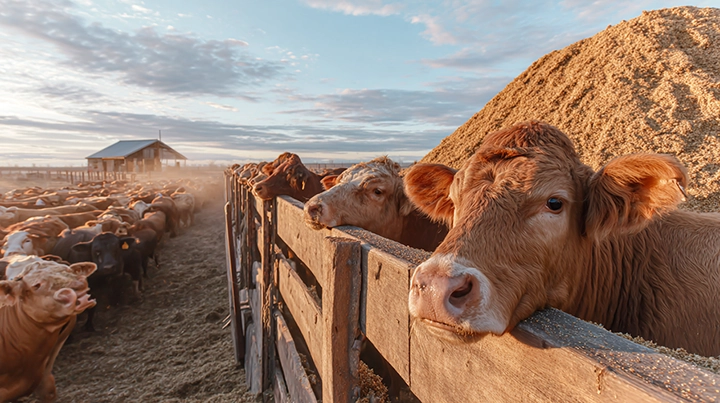
On the food and feed front, the fungal biomass generated from these waste streams can serve as a novel, high-protein ingredient for both human and animal consumption. As pressure mounts on traditional sources of protein like soy and fishmeal—often associated with deforestation or overfishing—fungi offer a compelling, environmentally friendly alternative. The nutritional profile of the mycelium produced in these processes is already garnering interest from both food technologists and animal nutrition experts, who see promise in integrating fungal proteins into mainstream diets and livestock feed.


Biotech Potential: More Than Just Food
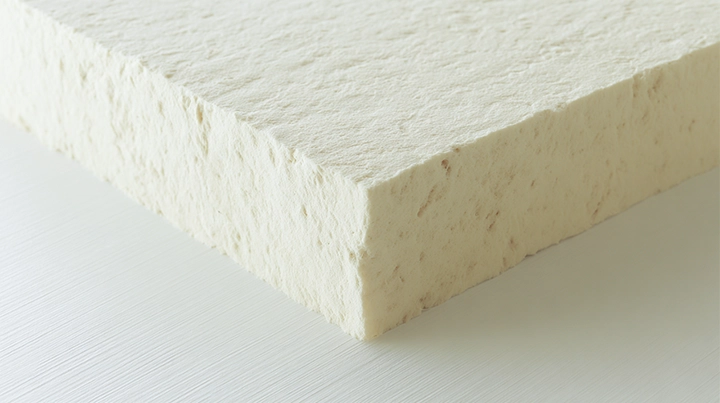
Industrial applications don’t stop at food. The fungi cultivated through SSF can also become factories for valuable enzymes, bioactive compounds, or even form the basis for biodegradable packaging materials. With increasing demand for sustainable solutions to packaging and waste, the notion of growing “myco-materials” from yesterday’s agave or tortilla production is no longer science fiction, but a budding industry reality.
Fungi on the Frontlines: Key Species in Solid-State Fermentation
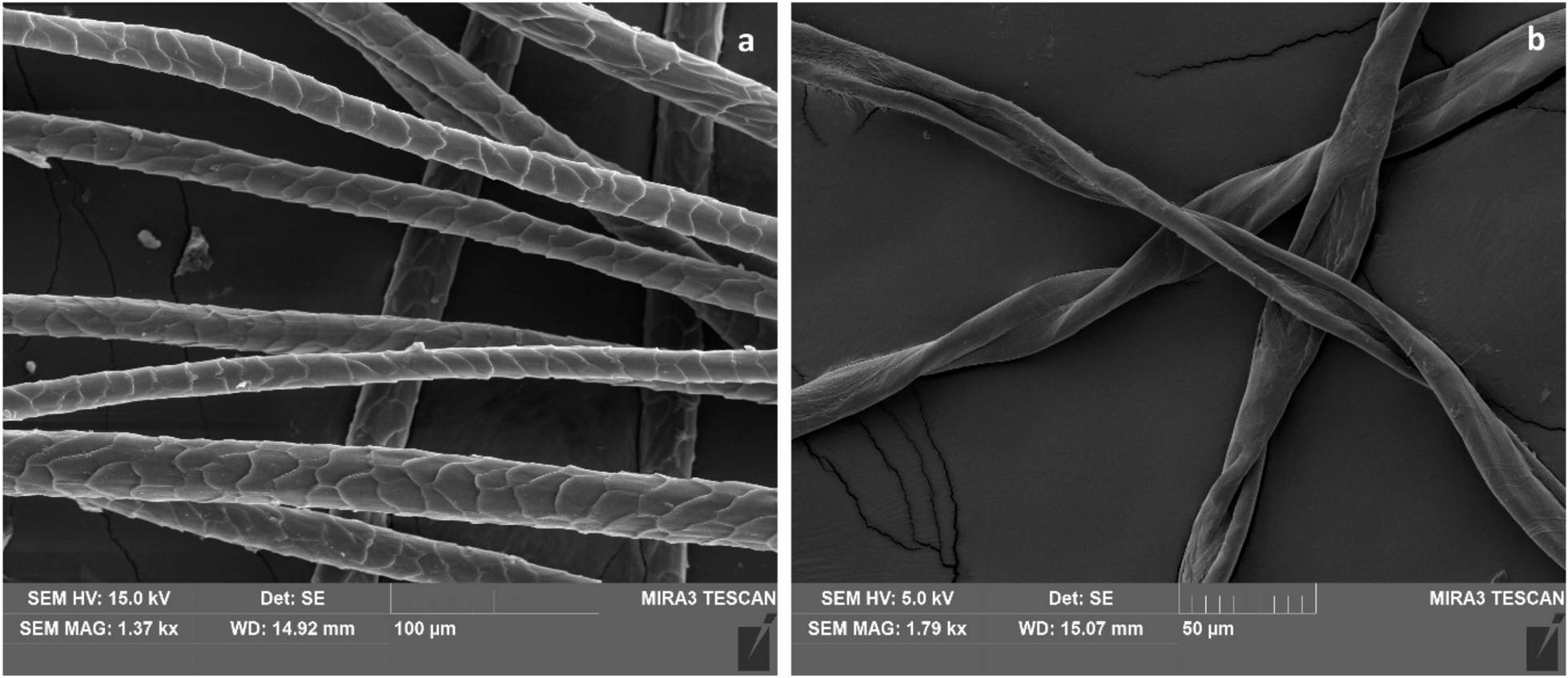
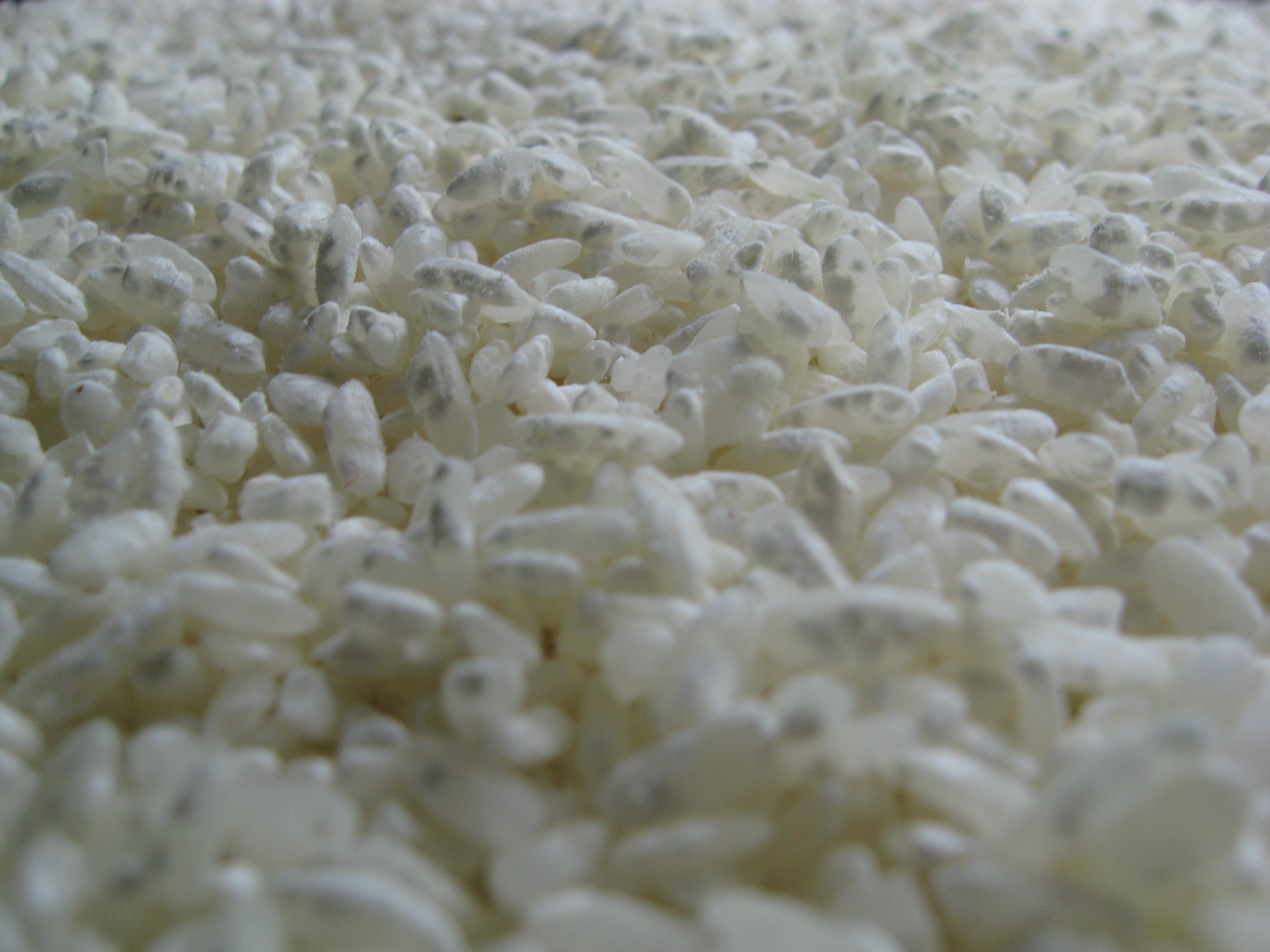
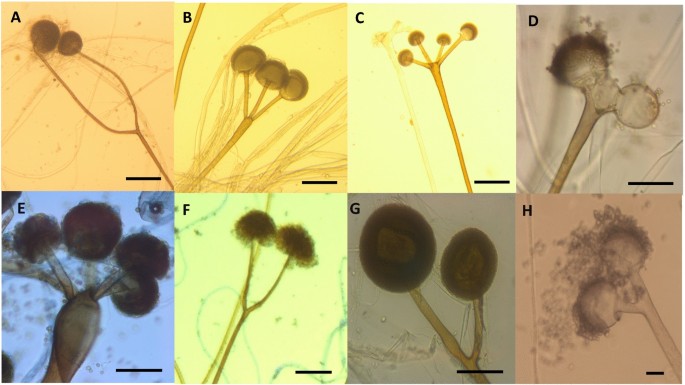
The study emphasizes that these results are not limited to a single species. A range of fungi have proven adept at colonizing and breaking down plant-based industrial wastes, particularly under SSF conditions. Species such as Pleurotus ostreatus (oyster mushroom) excel at digesting lignocellulosic substrates and are widely eaten as food. Aspergillus oryzae, known for its role in traditional Asian fermentations, brings powerful enzyme production capabilities to the table. Rhizopus oligosporus, the mold behind tempeh, demonstrates strong growth and protein generation on a variety of agricultural residues. Meanwhile, Trichoderma harzianum and Fusarium venenatum—already familiar to those in biocontrol and mycoprotein industries—offer additional routes to value-added products.

The Big Picture: Fungi as Champions of the Circular Economy
More broadly, this research highlights how fungi are central players in building a truly circular bioeconomy. Their unique biology allows them to take on jobs that neither bacteria nor conventional plants can perform—converting “useless” or even polluting materials into something nourishing and profitable. As global food, energy, and waste challenges converge, the humble mold may prove to be a cornerstone for sustainable solutions, both in Mexico and around the world.
References
Academic Sources
- Mitchell, D. A., et al. (2006). Solid-state fermentation bioprocesses for agro-industrial residues. Biotechnology Advances. DOI: 10.1016/j.biotechadv.2005.12.001
- Soccol, C. R., et al. (2017). Recent developments in solid-state fermentation. Bioresource Technology. DOI: 10.1016/j.biortech.2017.02.028
Official & Institutional Sources
- Food and Agriculture Organization (FAO) – https://www.fao.org
- United Nations Environment Programme (UNEP) circular economy resources – https://www.unep.org
- Lignocellulosic biomass overview – https://www.energy.gov/eere/bioenergy