According to HEALTH AND ME
Medical advances in hematology, oncology, and bone marrow transplantation have significantly improved survival rates for patients with blood cancers and bone marrow disorders. However, clinicians continue to warn that Invasive Fungal Infections (IFIs) remain a major complication for individuals whose immune systems have been weakened by intensive treatment. Although progress has been made in antifungal therapy and diagnostic technologies, IFIs continue to contribute to prolonged hospitalization, increased healthcare costs, treatment delays, and higher mortality among immunocompromised patients. Experts emphasize that these infections are not rare events but predictable complications that require earlier recognition and proactive management throughout cancer treatment. A 2026 clinical practice interview with hematologist-oncologist Hana F. Safah of Tulane University School of Medicine noted a roughly 15 percent incidence rate of IFIs in her own practice, while earlier British Society for Medical Mycology guidelines put the burden as high as 50 percent among neutropenic and bone marrow transplant patients.

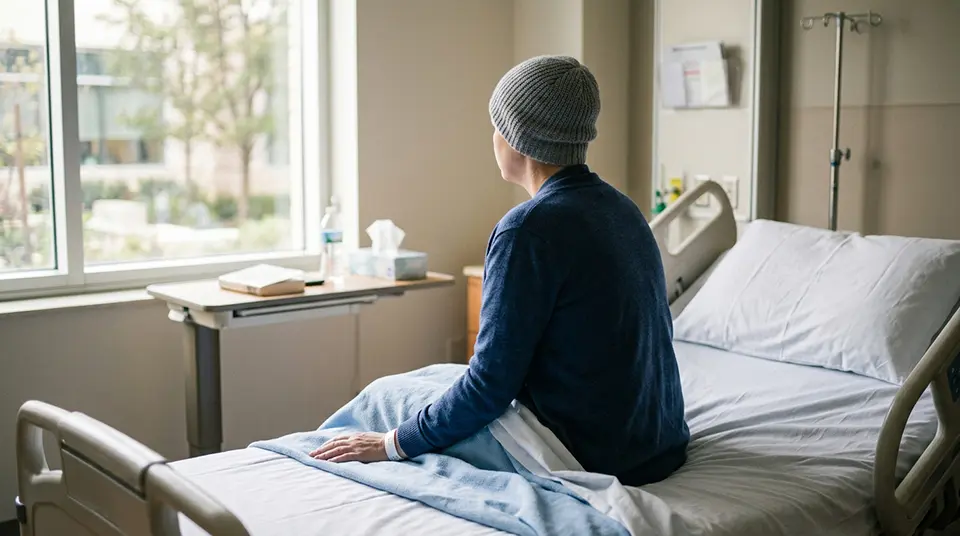
Many modern cancer therapies reduce the body’s natural ability to defend against opportunistic fungi. Intensive chemotherapy frequently causes neutropenia, a condition characterized by a severe reduction in neutrophils, the white blood cells responsible for eliminating fungal pathogens — clinically defined as fewer than 1,000 neutrophils per microliter of blood, with severe neutropenia below 500. Bone marrow transplantation requires conditioning regimens that temporarily suppress the immune system almost completely, while corticosteroids, graft-versus-host disease, and targeted therapies may prolong immune dysfunction for weeks or even months after treatment. This extended period of immunosuppression creates an opportunity for environmental and naturally occurring fungi to invade the lungs, bloodstream, or other organs, where infections may rapidly become life-threatening if diagnosis is delayed.
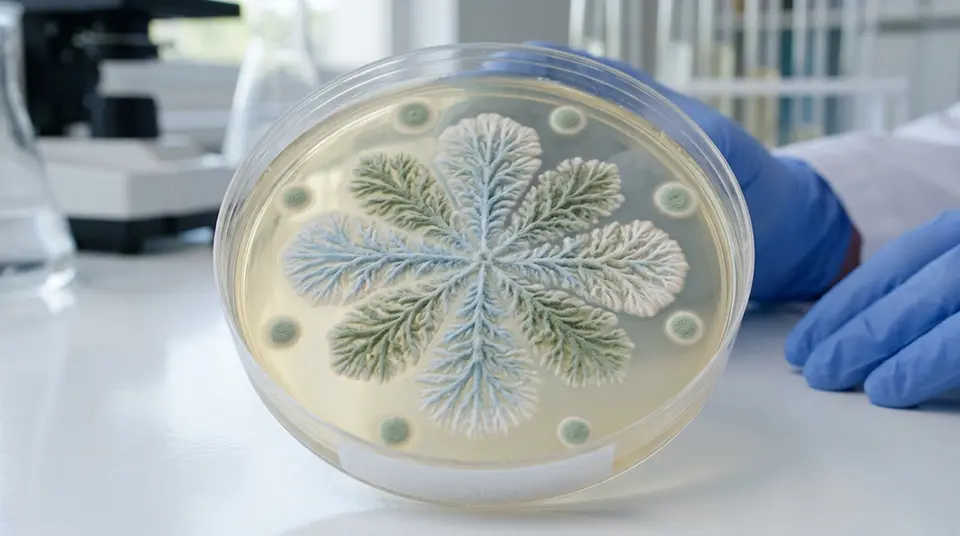
Among the most clinically significant fungal pathogens is Aspergillus fumigatus, which is commonly found in soil, dust, and decaying organic matter. While harmless to most healthy individuals, it can cause invasive aspergillosis in severely immunocompromised patients, particularly affecting the lungs; in Europe alone, the all-cause burden of Aspergillus-related lung disease is estimated to exceed 2 million cases annually, including tens of thousands of potentially fatal invasive cases.
Mucormycosis, caused by fungi within the order Mucorales — most commonly Rhizopus, Mucor, and Lichtheimia species — is another highly aggressive infection capable of invading blood vessels and destroying surrounding tissue. Patients with iron overload following repeated blood transfusions may face an elevated risk because excess iron promotes fungal growth. Candida species, which normally inhabit the gastrointestinal tract without causing disease, may also enter the bloodstream when chemotherapy damages the intestinal lining, resulting in invasive candidiasis that can spread to multiple organs. Early symptoms—including persistent fever despite antibiotic treatment, unexplained cough, and prolonged shortness of breath—are often nonspecific, making laboratory diagnostics and clinical suspicion essential for timely intervention.

Experts stress that delayed diagnosis remains one of the greatest challenges in managing IFIs. Blood-based fungal biomarkers, advanced imaging, and molecular diagnostic methods can improve early detection, yet access to these tools remains limited in many healthcare settings. Preventive antifungal therapy for patients at highest risk has demonstrated substantial benefits in reducing invasive infections and improving survival. Healthcare providers also emphasize educating patients and families about fungal infection risks so that persistent symptoms receive prompt medical evaluation rather than being attributed solely to cancer treatment. As hematology and oncology continue to advance, researchers argue that successful cancer care depends not only on controlling the underlying malignancy but also on recognizing and preventing opportunistic fungal infections that may significantly influence patient outcomes.
References
According to HEALTH AND ME