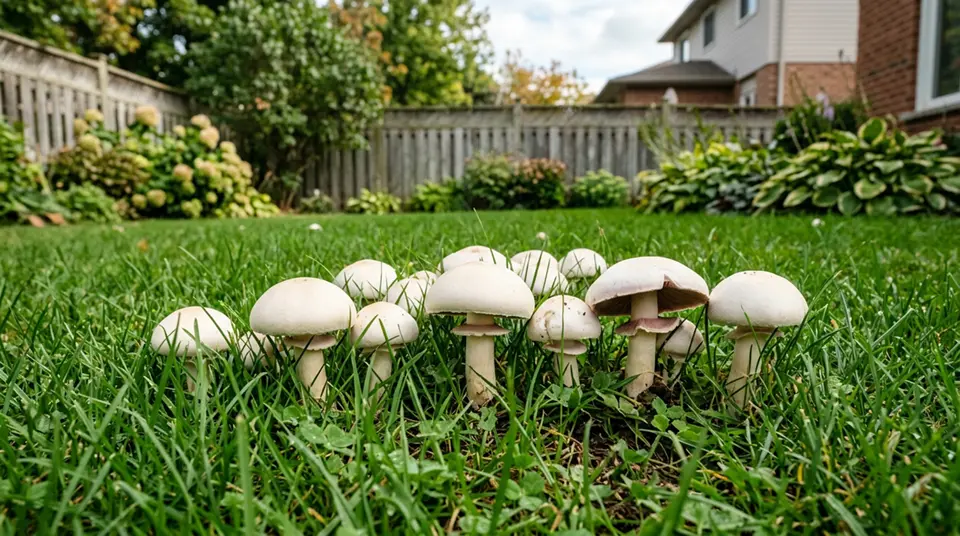

A Common Sight in Damp Gardens
According to EXPRESS
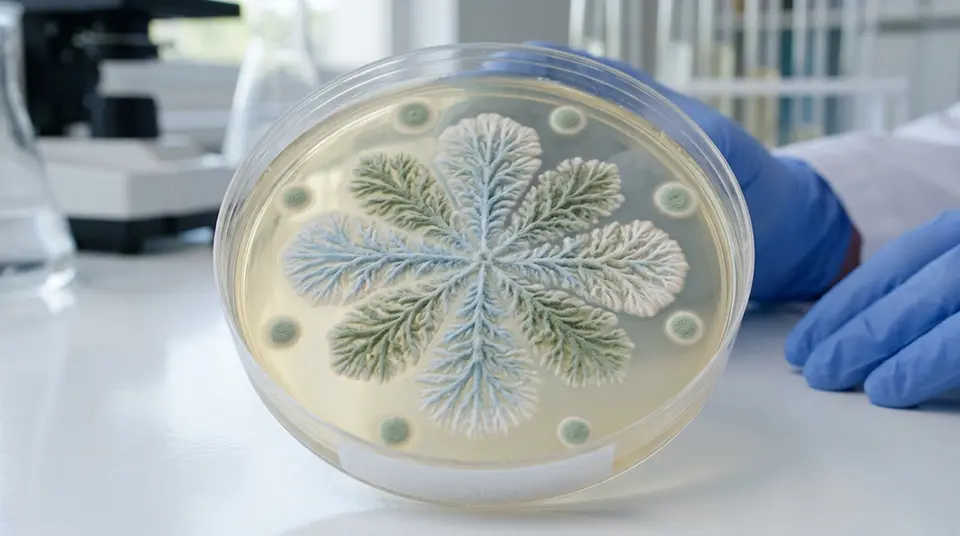
As seasonal rains and cooler temperatures increase moisture levels, mushrooms and other fungi begin to appear more frequently in lawns and garden beds. While these organisms are a natural part of garden ecosystems, their sudden spread can concern homeowners, particularly those with pets or delicate plants.
Fungi thrive in environments where moisture, organic matter, and limited airflow combine. Lawns that retain water or accumulate debris such as fallen leaves and dead grass create ideal conditions for fungal growth. As a result, mushrooms often emerge rapidly during wet periods, especially in autumn-like conditions.

Beneficial but Sometimes Problematic
In ecological terms, fungi play an essential role by breaking down organic material and recycling nutrients into the soil. However, their presence is not always welcome. Some mushrooms can be toxic to pets, while others may interfere with the aesthetic or functional quality of garden spaces.
For many gardeners, the challenge is not eliminating fungi entirely but managing their growth to maintain a balanced and safe environment.

Manual Removal as the First Step
Experts recommend starting with direct removal of visible mushrooms. Larger specimens can be picked by hand, while smaller clusters may be cleared using simple tools such as a broom. This immediate action helps reduce the spread of spores, which are responsible for fungal reproduction.
Removing mushrooms before they mature is particularly important, as mature fungi release spores into the surrounding environment, allowing them to spread more widely.

Improving Lawn Conditions
Long-term control depends on altering the conditions that allow fungi to thrive. Moisture management is central to this approach. Lawns should be kept as dry as possible without compromising plant health. Overwatering or poor drainage significantly increases the likelihood of fungal growth.
Aeration also plays a critical role. By increasing airflow through regular mowing and removing dense layers of thatch—composed of dead grass and moss—gardeners can create an environment less favorable to fungi. Shorter grass dries more quickly, reducing the moisture levels that fungi depend on.
Regular maintenance, including raking fallen leaves and organic debris, further limits the materials that fungi use as a food source.

The Role of Soil Additives
Beyond maintenance practices, certain simple additions to the soil may help discourage mushroom growth. One commonly suggested method is spreading a layer of fine gravel around plants. This acts as a physical barrier, limiting the conditions necessary for fungal development.
Another widely discussed option is the use of cinnamon. Known for its mild antifungal properties, cinnamon can be sprinkled on the soil surface as a natural alternative to chemical treatments. While its effectiveness may vary, it is often considered a low-risk method that can complement other preventive measures.
Understanding the Limits of Control
Despite these strategies, experts emphasize that completely eliminating fungi from outdoor environments is unlikely. Fungal spores are naturally present in the air and soil, making total removal nearly impossible.
Instead, the goal is to manage growth and reduce recurrence. Monitoring soil conditions, adjusting watering practices, and maintaining cleanliness are the most reliable ways to keep fungal activity under control.

Watering Practices and Prevention
Proper watering techniques are essential in preventing mushroom outbreaks. Soil should be checked regularly to ensure it is not overly saturated. Allowing the surface to dry between watering sessions can significantly reduce the likelihood of fungal growth.
Targeted watering—focusing on plant roots rather than the entire lawn—can also help maintain appropriate moisture levels without creating excess dampness.
A Balance Between Nature and Maintenance
The presence of mushrooms in gardens reflects the natural processes occurring beneath the soil surface. While they can be inconvenient, they also indicate active decomposition and nutrient cycling.
Managing fungi effectively requires a balanced approach—recognizing their ecological role while addressing practical concerns related to safety and garden maintenance.

Practical, Low-Cost Solutions
The methods outlined—manual removal, improved airflow, moisture control, and simple soil additives—demonstrate that managing mushroom growth does not require expensive chemicals or specialized treatments. Instead, consistent care and attention to environmental conditions provide effective, accessible solutions.
A Seasonal Reminder for Gardeners
As wetter seasons return each year, the reappearance of mushrooms serves as a reminder of how closely garden conditions are tied to weather patterns. By understanding these relationships, gardeners can respond proactively rather than reactively.
Ultimately, controlling fungal growth is less about eliminating a problem entirely and more about maintaining conditions that support healthy plants while limiting unwanted spread. With straightforward adjustments, gardeners can keep their lawns both functional and visually appealing, even during the most favorable conditions for fungi.
References
According to EXPRESS
Key Takeaways
- As seasonal rains and cooler temperatures increase moisture levels, mushrooms and other fungi begin to appear more frequently in lawns and garden beds.
- Fungi thrive in environments where moisture, organic matter, and limited airflow combine.
- As a result, mushrooms often emerge rapidly during wet periods, especially in autumn-like conditions.
- For many gardeners, the challenge is not eliminating fungi entirely but managing their growth to maintain a balanced and safe environment.
- Larger specimens can be picked by hand, while smaller clusters may be cleared using simple tools such as a broom.
Frequently Asked Questions
What should you know about beneficial but Sometimes Problematic?
In ecological terms, fungi play an essential role by breaking down organic material and recycling nutrients into the soil. However, their presence is not always welcome. Some mushrooms can be toxic to pets, while others may interfere with the aesthetic or functional quality of garden spaces.
What should you know about manual Removal as the First Step?
Experts recommend starting with direct removal of visible mushrooms. Larger specimens can be picked by hand, while smaller clusters may be cleared using simple tools such as a broom. This immediate action helps reduce the spread of spores, which are responsible for fungal reproduction.
What should you know about improving Lawn Conditions?
Long-term control depends on altering the conditions that allow fungi to thrive. Moisture management is central to this approach. Lawns should be kept as dry as possible without compromising plant health. Overwatering or poor drainage significantly increases the likelihood of fungal growth.
What should you know about the Role of Soil Additives?
Beyond maintenance practices, certain simple additions to the soil may help discourage mushroom growth. One commonly suggested method is spreading a layer of fine gravel around plants. This acts as a physical barrier, limiting the conditions necessary for fungal development.
What should you know about understanding the Limits of Control?
Despite these strategies, experts emphasize that completely eliminating fungi from outdoor environments is unlikely. Fungal spores are naturally present in the air and soil, making total removal nearly impossible.