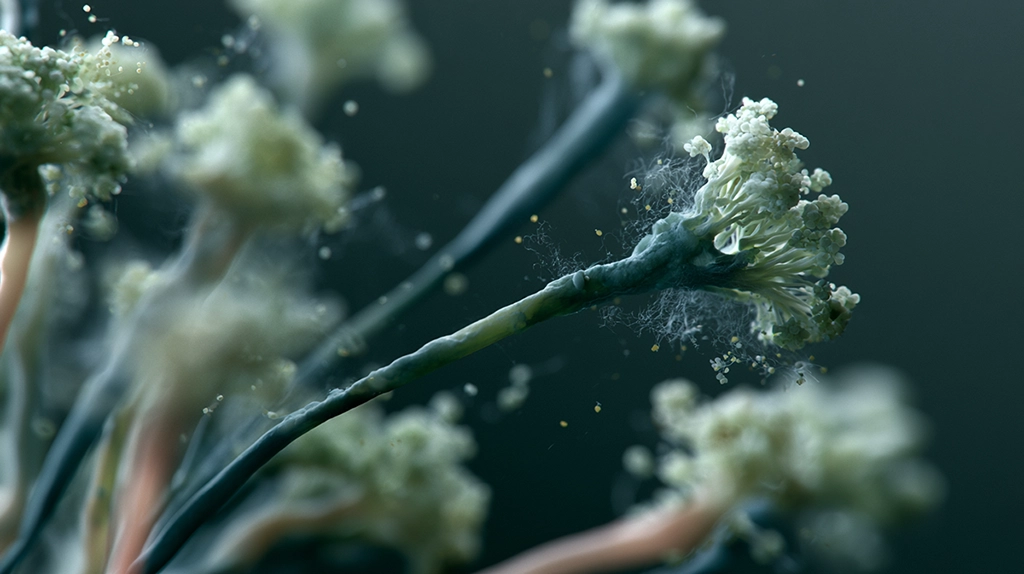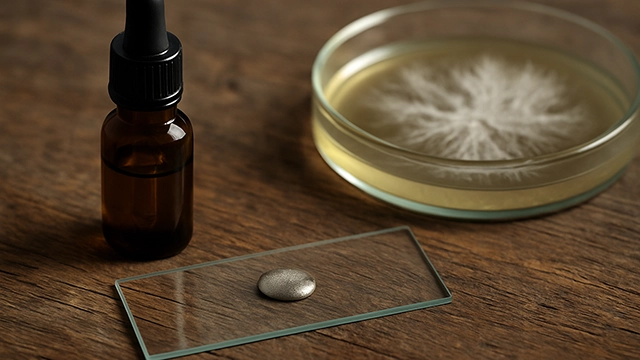
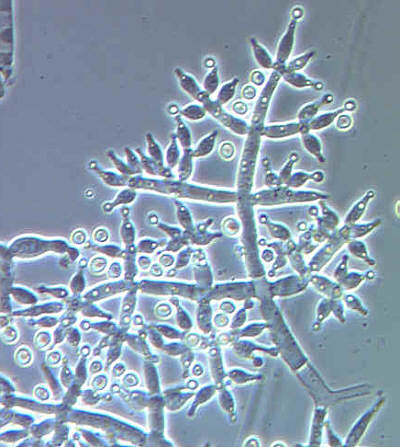
In the world of microscopic warfare, one of nature’s quiet chemists has stepped forward: Trichoderma reesei, a humble soil fungus better known for digesting plant waste, may soon become a key player in the fight against viruses. In a breakthrough that blends mycology with nanoscience, researchers have shown that this fungus can produce silver nanoparticles (AgNPs) capable of blocking SARS-CoV-2, the virus behind COVID-19.
Nature-powered nanomedicine
This isn’t the first time silver has shown promise in infection control, but how it’s being made is the surprise. In low-oxygen lab conditions, T. reesei naturally synthesizes silver nanoparticles, stabilizing them with its own proteins. The result: spherical, uniform particles created without harsh chemicals—a cleaner, scalable approach to nanomedicine.

Fighting the virus on two fronts
The study, led by Professor Roberto do Nascimento Silva at the University of São Paulo, discovered that these biologically crafted AgNPs can bind to the virus’s spike protein. This disrupts its ability to enter human cells, reducing infection rates by nearly 50% in controlled lab settings.
But the most compelling discovery came from testing in hamsters: not only did the nanoparticles reduce the viral load in lung tissue, but they also curbed inflammation. The particles appeared to inhibit the inflammasome (a protein complex that triggers cytokine storms) and reduced levels of interleukin-1β, a key molecule involved in lung damage.
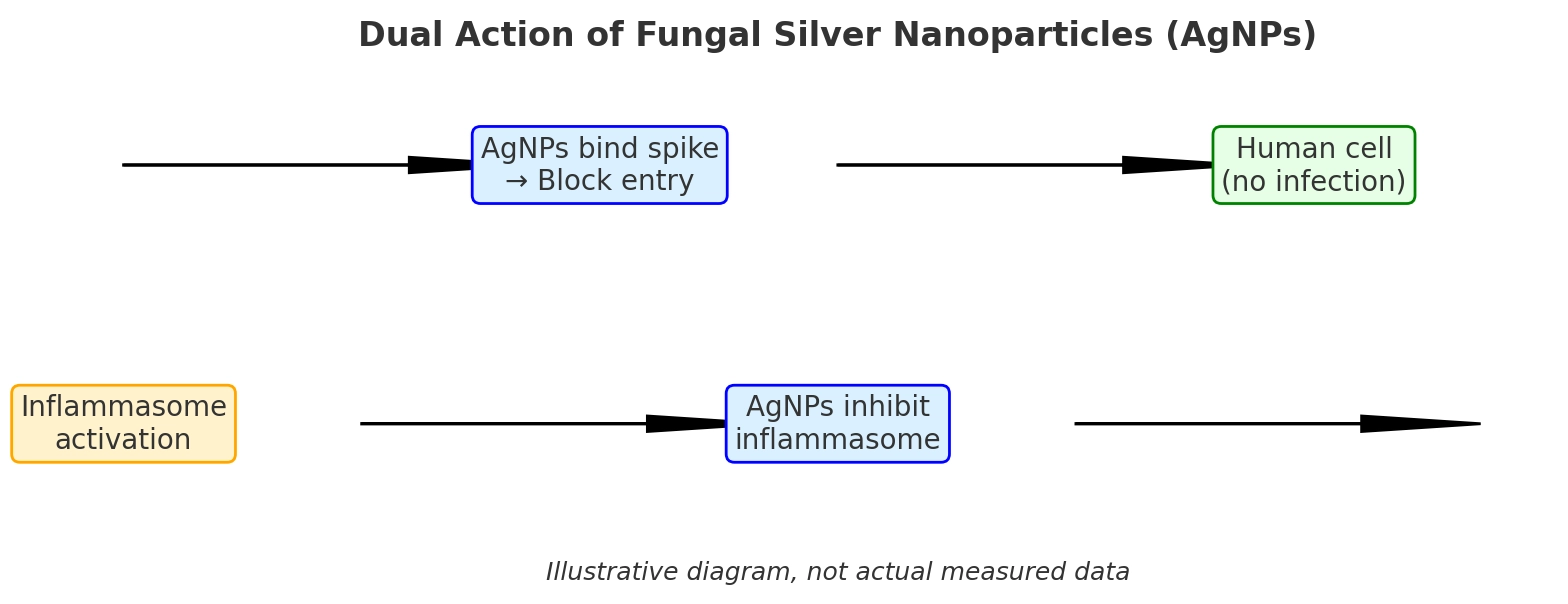
In simpler terms: the fungus-made silver doesn’t just block the virus’s entry; it also soothes the storm that follows.
Beyond COVID-19
This dual action opens the door to much more than COVID-19 treatments. These nanoparticles may be formulated into nasal sprays, wound gels, antiviral coatings for hospital equipment, or even embedded in masks and medical gowns. Their broad-spectrum protein-binding ability hints at potential applications for HIV, herpes, influenza, and future unknown viral threats.
The idea started as a cancer treatment platform, but the pandemic shifted the team’s focus. Now, after promising preclinical results, they’re aiming to patent the formulation and begin clinical trials.
Safety and accessibility
Safety remains key. Though silver can be toxic in large quantities, the doses used were 10× lower than toxic thresholds, and most of the metal cleared from the body within 8 weeks.
What makes this especially promising is its potential accessibility. While silver is a precious metal, growing Trichodermacultures at scale is cost-effective. If successful, this could offer a sustainable antiviral tool for low-resource settings—a fungal factory producing microscopic shields.
A convergence of biology and biotechnology
Professor Silva calls it “a convergence of biology and biotechnology, where nature doesn’t just inspire—it manufactures.”
As viral threats loom larger in the age of climate shifts and global mobility, this unlikely alliance between fungus and metal offers a different kind of hope: a defense system that grows in darkness, spins silver into protection, and redefines what we call medicine.
Sometimes, the most advanced tools don’t come from a lab bench—but from the forest floor.
References
- Silva R.N. et al. Mycosynthetized silver nanoparticles inhibit SARS-CoV-2 replication and inflammasome activation(University of São Paulo, 2023).
- CDC. Coronavirus (COVID-19). CDC.gov
- WHO. HIV/AIDS fact sheet. WHO.int
- CDC. Herpes – Fact Sheet. CDC.gov
- CDC. Influenza (Flu). CDC.gov
- Wikipedia. Trichoderma reesei, Silver nanoparticles, Interleukin 1 beta, Spike protein, Nanomedicine
Key Takeaways
- Certain soil fungi produce natural compounds with broad antiviral activity, positioning them as a potential source of new antiviral therapeutics at a time when viral diseases continue to outpace drug development.
- Fungal antiviral compounds include proteins (lectins, antifungal proteins with crossover antiviral activity), polysaccharides (beta-glucans, xyloglucan compounds), terpenoids, and small-molecule secondary metabolites.
- The mechanism of antiviral action varies by compound: some inhibit viral attachment to host cells, others block viral replication enzymes, and still others stimulate the host antiviral immune response.
- Soil fungi have coevolved with viruses that infect plants and other organisms for hundreds of millions of years, potentially developing antiviral chemical defenses that could be exploited for human antiviral therapies.
- The COVID-19 pandemic renewed interest in natural product antiviral discovery, with several fungal-derived compounds showing in vitro activity against SARS-CoV-2 and related coronaviruses.
Frequently Asked Questions
Can fungi produce antiviral compounds?
Yes—fungi produce a diverse array of secondary metabolites and proteins that have demonstrated antiviral activity in laboratory settings, and several have advanced into clinical research or are already in limited clinical use. Categories of fungal antiviral compounds: fungal lectins—carbohydrate-binding proteins produced by various fungi including Agrocybe cylindracea, Cordyceps sinensis, and Lentinus edodes (shiitake); lectins can bind to glycan (sugar) structures on viral surface proteins, blocking viral attachment to host cells; griffithsin (from a red alga) is a related lectin that has entered clinical trials against HIV and COVID-19. Beta-glucans from medicinal mushrooms—immunomodulatory beta-glucans from Ganoderma lucidum (reishi), Trametes versicolor (turkey tail), and Lentinus edodes enhance innate antiviral immune responses; they activate natural killer cells, macrophages, and interferon production; indirect antiviral activity through immune augmentation rather than direct viral inhibition. Small-molecule metabolites: fusidic acid (originally from Fusarium coccineum)—primarily antibacterial but shows some antiviral activity; sesterterpenoids from Aspergillus species—some show HIV protease inhibition in vitro; nucleoside analogs from fungi—several antiviral drugs in clinical use are structurally derived from naturally occurring fungal nucleosides; sofosbuvir (hepatitis C) traces its origins to nucleoside research partly inspired by natural products.
What are the most promising antiviral fungi and compounds?
Several fungal sources stand out for the breadth or potency of their antiviral activity, with a substantial body of in vitro and in some cases in vivo research. Key sources and compounds: Ganoderma lucidum (reishi mushroom): triterpenoids (ganoderic acids)—multiple compounds in the ganoderic acid family show antiviral activity against influenza, herpes simplex virus (HSV), and HIV in cell culture; mechanisms include neuraminidase inhibition (reducing influenza spread), viral entry inhibition, and viral polymerase inhibition. Polysaccharides (Ganoderma beta-glucans, water-soluble polysaccharides)—enhance macrophage and NK cell antiviral activity. Cordyceps species (Cordyceps sinensis, Ophiocordyceps sinensis): cordycepin (3′-deoxyadenosine)—a nucleoside analog that inhibits RNA synthesis; has demonstrated antiviral activity against influenza, HIV, and HSV; was recently found to have activity against SARS-CoV-2 in cell culture studies. Lentinus edodes (shiitake): active hexose correlated compound (AHCC)—a proprietary processed form of shiitake mycelium extract; has undergone clinical trials for immune stimulation in cancer patients; some evidence for antiviral immunomodulation. Trametes versicolor (turkey tail): polysaccharide-K (PSK/Krestin) and polysaccharide-peptide (PSP)—approved in Japan and used in Asia as immune-stimulating adjuvant therapies; modest antiviral immunomodulatory activity. Soil-specific isolates: various Penicillium, Aspergillus, and Trichoderma species isolated from specific soil environments produce bioactive secondary metabolites; natural product screening programs systematically test these against viral targets.
Have any fungal antiviral compounds reached clinical use?
Several antiviral agents that are in clinical use were inspired by, derived from, or structurally related to fungal natural products, though the direct fungal origin is not always emphasised in clinical descriptions. Compounds in or near clinical use with fungal connections: cordycepin (3′-deoxyadenosine)—naturally produced by Cordyceps species; entered clinical investigation for cancer and antiviral applications; its mechanism of RNA chain termination (incorporating into RNA and halting further synthesis) was foundational for understanding nucleoside antiviral mechanisms; current clinical trials are evaluating cordycepin derivatives for antiviral applications. Nucleoside analog antivirals (indirect fungal inspiration)—many clinically used antivirals (acyclovir, ganciclovir, ribavirin, sofosbuvir) are nucleoside analogs; the nucleoside scaffold was partly inspired by natural nucleoside compounds including those produced by fungi; while these drugs themselves are synthetic, fungal chemistry contributed to the pharmacophore concept. AHCC (Active Hexose Correlated Compound)—a proprietary shiitake extract; not an approved drug but a widely sold supplement; a randomised controlled trial published in PLOS ONE found AHCC maintained natural killer cell activity and HPV clearance rates in women with persistent HPV; FDA grant supported investigation of AHCC for HPV. Polysaccharide-K (Krestin)—approved in Japan as an adjunct cancer treatment; has antiviral immunomodulatory properties; not approved in Western countries for this indication. The preclinical-to-clinical pipeline for dedicated antiviral drugs of fungal origin remains thin despite substantial in vitro data; the challenge of demonstrating efficacy and safety through clinical trials is the main bottleneck.
How do fungal beta-glucans fight viruses?
Fungal beta-glucans combat viral infections through indirect mechanisms involving stimulation of the host’s antiviral immune system rather than through direct antiviral action on the virus itself. Mechanisms of antiviral immune stimulation: Dectin-1 receptor activation—beta-glucans from fungal cell walls (particularly 1,3/1,6-beta-D-glucans) are recognised by the pattern recognition receptor Dectin-1 on macrophages, dendritic cells, and neutrophils; Dectin-1 signalling activates NF-κB and CARD9/Bcl-10/MALT1 pathways, leading to cytokine production including IL-12, IL-23, and TNF-α. Interferon induction—beta-glucan stimulation of innate immune cells can trigger type I interferon (IFN-α/β) production; interferons are the primary antiviral cytokines of the innate immune system, inducing an antiviral state in surrounding cells that impairs viral replication and spread. NK cell activation—macrophages stimulated by beta-glucans produce cytokines (IL-12, IL-15, IL-18) that activate natural killer (NK) cells; NK cells are critical early defenders against viral infection, killing virally infected cells before adaptive immunity is activated. Complement activation—some beta-glucans (particularly soluble forms) interact with complement receptor 3 (CR3) and can activate complement pathways that participate in antiviral defense. Clinical implications: oral beta-glucan supplements have been investigated in randomised controlled trials for reducing upper respiratory tract infection incidence and severity; a meta-analysis of 9 RCTs (Rop et al., 2009) found beta-glucan supplementation reduced common cold incidence by approximately 25%; several meta-analyses since have reached similar conclusions with moderate evidence quality.
Could soil fungi be a source of future antiviral drugs?
Soil fungi represent an extensively biodiverse and largely underexplored reservoir for antiviral natural product discovery—a potential source of novel antiviral scaffolds at a time when new antiviral mechanisms are urgently needed. The discovery argument: soil bacterial natural products have yielded most of the antibiotic classes in clinical use; soil fungal secondary metabolites have been comparably productive for antifungal and anticancer compounds (including cyclosporin, lovastatin, and numerous experimental anticancer agents); it is reasonable to expect that systematic screening of soil fungal diversity for antiviral activity—which has occurred much less comprehensively than antibacterial or anticancer screening—would yield novel antiviral compounds. Current discovery approaches: bioactivity-guided fractionation—traditional approach where crude fungal extracts are tested against viral targets, then progressively fractionated to identify and isolate the active compound; laborious but proven methodology. Genome mining—fungal genome sequencing reveals biosynthetic gene clusters (BGCs) encoding secondary metabolite pathways; many BGCs are ‘cryptic’ (not expressed under standard laboratory conditions); bioinformatic mining of soil fungal genomes identifies BGCs encoding novel compound classes that can be awakened through culture condition manipulation or genetic approaches. Metagenomics—DNA sequencing of environmental soil samples allows identification of fungal biosynthetic gene diversity without culturing; reveals the enormous uncultured fungal diversity in soil. Challenges: in vitro antiviral activity is common but advancing to in vivo efficacy and human safety is the major bottleneck; natural products often have complex structures that are difficult and expensive to synthesise at scale; intellectual property and development cost challenges reduce commercial interest in natural product antivirals.