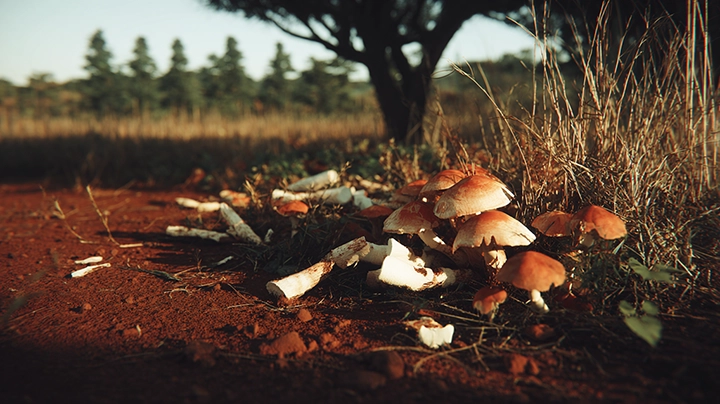
Every September, families face more than just the start of a new school year. For many children with asthma, it is the most difficult month of the year. Health data show that asthma flare-ups peak during this time, and mold is one of the key but often overlooked triggers. Numbers from Detroit are striking: the city’s child asthma death rate is four times the state average. But this is not just one city’s story. It is a warning that, as climate change intensifies, more communities may face the same risks.
How Mold Affects the Airways
Mold is not new, but its impact on children is underestimated. Mold thrives in damp, poorly ventilated spaces, releasing spores into the air. When inhaled, spores irritate the airways, causing them to swell and narrow. This leads to coughing, wheezing, and sometimes severe breathing difficulty. Children are especially vulnerable. Their airways are smaller and their immune systems still developing, which makes their reactions stronger. To make matters worse, mold rarely acts alone. It often combines with dust mites, pollen, and viruses, creating a heavier burden on children’s lungs. Alternaria is also known to trigger allergic sensitization.

Why September Is So Risky
First, seasonal change matters. Late summer into early fall is the peak season for airborne mold spores. The weather turns drier, making spores easier to lift and spread. Studies show that common molds such as Alternaria and Cladosporium reach their highest concentrations in this period. For children with asthma, that means inhaling far more spores than at other times of the year.
Second, back-to-school environments play a role. Classrooms often sit unused through the summer. Dust, mold, and mites build up on desks, books, and in corners. When school starts, dozens of children gather in one enclosed space. Windows may stay shut, and air conditioning runs constantly. The result: poor ventilation and high exposure to allergens all at once. For sensitive children, this invisible buildup can quickly become a trap.
Third, multiple triggers stack together. September is not only mold season but also high time for pollen and respiratory viruses. When these act alongside mold, the combined pressure on a child’s lungs is much greater than a single trigger.

Beyond One City: A Broader Warning
Detroit may stand out in the data, but its conditions are not unique. Many regions share the same risks:
- Flooding and dampness: Heavy rains and urban flooding leave homes damp. Home dampness and mold exposure are strongly associated with poorer asthma control in children.
- Aging buildings and poor maintenance: Old homes often leak and lack ventilation. Families with limited resources may not be able to repair or clean them properly, allowing mold to persist.
- Air pollution and traffic stress: Industrial zones and heavy traffic worsen air quality. Polluted air makes lungs more vulnerable, and mold exposure only adds to the strain.
With climate change driving more extreme weather and stressing urban infrastructure, these conditions are becoming more common. The “Detroit effect” could be a preview of what many other communities will face.

Why Children Deserve Special Attention
Children are not just “small adults.” Their narrower airways mean even slight swelling can block breathing. Their immune systems are still learning to cope with allergens, which makes their reactions stronger. This means the same level of mold exposure in young children that might cause mild irritation in adults can lead to a full asthma attack in children. Over time, repeated exposure does more than harm health. It disrupts school, lowers energy, and affects learning, as children struggle to keep up while dealing with coughing and fatigue.
Practical Ways to Reduce Risk
The good news is that prevention does not always require big investments. Simple steps can make a difference:
- At home, keep spaces dry. Clean basements and bathrooms regularly. Use dehumidifiers or HEPA filters when possible.
- When children come home from school, have them remove shoes, change clothes, and wash their hair to keep outdoor spores out of bedrooms.
- Schools should ensure classrooms are ventilated and cleaned before students return. Each child with asthma should have a personal action plan in place.

Mold as the Overlooked Piece of the Asthma Puzzle
September’s asthma peak shows us that mold is not the only factor, but it is one that must not be ignored. Detroit’s case demonstrates how multiple environmental and social conditions can magnify asthma risks — and mold is one important piece of that puzzle. As climate change brings more extreme weather and housing challenges, the same pattern is likely to appear in many regions. Protecting children’s respiratory health means looking beyond medication alone. It requires recognizing mold and health as an urgent public issue, and taking it seriously in both homes and schools.
References
Academic
- Mendell, M. J. et al. (2011). Respiratory and allergic health effects of dampness and mold in homes. Environmental Health Perspectives. Full text
Official
Key Takeaways
- September marks the peak of childhood asthma hospitalizations in the Northern Hemisphere—a phenomenon driven by the convergence of back-to-school viral exposure, seasonal mold spore peaks, and ragweed pollen, often called the ‘September epidemic.’
- Outdoor mold spore counts—particularly Alternaria and Cladosporium—typically reach their annual peaks in late summer and early September in temperate North American and European climates, directly contributing to asthma trigger burden.
- Alternaria alternata sensitivity is one of the strongest known risk factors for near-fatal and fatal asthma in children, with sensitised children having dramatically higher rates of life-threatening asthma attacks.
- The transition from summer to back-to-school routines increases viral rhinovirus exposure simultaneously with high mold spore counts, creating a synergistic multi-trigger environment that explains September’s disproportionate severity.
- Indoor mold exposure compounds outdoor mold burden during September: end-of-summer moisture accumulation in homes, returning to schools with poor indoor air quality, and stored summer items create elevated indoor exposure.
Frequently Asked Questions
Why is September the worst month for children with asthma?
The September peak in childhood asthma hospitalisations—sometimes called the ‘September asthma epidemic’ or ‘September spike’—is a well-documented and reproducible phenomenon in multiple countries and healthcare systems. It results from the simultaneous convergence of multiple asthma triggers at the same time, rather than any single cause. Key contributing factors: back-to-school rhinovirus exposure—rhinovirus (the common cold virus) is the most important trigger for asthma exacerbations in children; after summer break, children return to classrooms where rhinovirus circulates intensively; children who have avoided school viral exposure over summer return with reduced recent immunity to current rhinovirus strains; studies show asthma hospitalisations from rhinovirus-associated exacerbations spike in the 2–3 weeks following school return across the Northern Hemisphere. Alternaria mold spore peak—outdoor Alternaria alternata spore counts are typically at their highest in August–September in North America and Europe; children with Alternaria sensitisation (approximately 5–10% of asthmatic children, but overrepresented among severe asthmatic patients) face their highest spore exposure during this period. Ragweed pollen—August–September is ragweed pollen season in much of North America; children with both ragweed allergy and asthma face allergen-driven inflammation on top of mold spore exposure. Summer treatment gaps—some children may have reduced adherence to preventive inhaled corticosteroid therapy during summer, making them less protected when triggers surge in September. The aggregate effect: the simultaneous peak of multiple independent triggers in September creates a synergistic burden greater than any individual trigger would produce alone.
How does mold contribute to asthma in children?
Mold contributes to childhood asthma through two distinct mechanisms: allergic sensitisation causing IgE-mediated reactions to mold allergens, and non-specific irritant effects from mold metabolites and fragments. Allergic sensitisation mechanism: exposure to mold spores in young children (particularly under age 5) may induce IgE antibody production against mold proteins—this is ‘sensitisation’; subsequently, each exposure of a sensitised child to mold allergens triggers mast cell degranulation and the release of histamine, leukotrienes, and other inflammatory mediators that cause bronchoconstriction and airway inflammation; repeated allergen exposure also drives eosinophilic airway inflammation (part of the allergic asthma phenotype). Most clinically significant mold allergens in children: Alternaria alternata—the mold with the strongest documented association with severe and near-fatal asthma; Alternaria sensitisation in asthmatic children is a major risk factor for emergency hospitalization; Cladosporium—very common outdoor mold; significant allergen source for sensitised children; Aspergillus—particularly relevant in the context of aspergillus sensitisation in asthmatic patients (SAFS—Sensitisation to Aspergillus fumigatus in Severe Asthma). Prevalence of mold sensitisation in asthmatic children: approximately 10–30% of asthmatic children have IgE sensitisation to one or more mold species, depending on geographic location and age group; sensitisation rates are higher in humid climates and in urban environments with water-damaged housing. Indoor mold exposure and asthma development: strong epidemiological evidence from multiple longitudinal birth cohort studies links indoor mold and dampness exposure in early life with increased risk of developing asthma by age 6–7; the exposure is particularly important in the first 1–2 years of life.
What outdoor mold spores peak in September and why?
Outdoor mold spore concentrations show characteristic seasonal patterns that reflect the life cycles of major spore-producing fungal species and their dependence on temperature, humidity, and the availability of substrates for growth and sporulation. September-peaking outdoor mold species: Alternaria alternata—one of the most important seasonal outdoor molds; grows on dead plant material, particularly crop residues; spore production peaks in late summer when maximum temperatures and dry, windy conditions promote sporulation and dispersal; harvesting of grain crops in late summer and early autumn releases enormous quantities of Alternaria spores; peak outdoor concentrations in agricultural and suburban environments commonly reach 500–5,000 spores/m³ in September, with higher peaks during dry harvesting periods. Cladosporium species—the most numerically abundant outdoor mold spore type in temperate regions; concentrations peak in late summer and remain elevated into early autumn; peak counts can reach 10,000–100,000+ spores/m³ on warm, dry, windy days. Why these molds peak in late summer: warm temperatures through summer build up large quantities of dead and decomposing plant material (including senescent grass and early-dying annual plants); low-humidity, windy conditions in late summer and early autumn are optimal for dry spore dispersal (wet conditions keep spores on surfaces; dry, windy conditions are when spores become airborne); crop harvesting (grains, hay, silage) mechanically releases enormous quantities of spores from colonised crop material. Geographic variation: peak timing varies by climate—in the Pacific Northwest US, mold peaks may be more autumn-winter; in the southeastern US, mold seasons may be more prolonged; in the UK, the July–October period represents peak Alternaria exposure.
How can parents protect asthmatic children from mold during September?
Parents of asthmatic children can take specific actions during the September high-risk period that address both outdoor mold exposure and the indoor environment, while ensuring their child’s medical management is optimised heading into this high-risk window. Medical preparation before September: asthma review appointment—schedule an asthma check with the child’s GP or paediatric asthma nurse before September; ensure the asthma action plan is current and the child and parents understand what to do if symptoms worsen. Medication review—ensure the child has an adequate supply of preventive inhaler (inhaled corticosteroid); if the child has been prescribed preventive treatment, confirm they are using it correctly and consistently; some specialists advocate a planned step-up in preventive therapy in late August for children with a history of September exacerbations. Allergy testing—children who have had severe September asthma attacks should be tested for Alternaria and other mold sensitisation; sensitised children may benefit from environmental control measures specifically targeting mold exposure. Reducing outdoor mold exposure: monitor local pollen and mold spore counts (many weather services and apps now include mold count data); keep children indoors during dry, windy conditions when mold counts are highest; keep car and home windows closed on high-mold days; shower and change clothing after outdoor activities on high-count days. Indoor environment: maintain indoor humidity below 50% RH; ensure bathroom and kitchen extractor fans work; address any visible mold promptly; check that the child’s school has a functioning HVAC system and is not reporting indoor air quality problems. For Alternaria-sensitised children with severe asthma: consider allergen immunotherapy referral to specialist; some studies show subcutaneous immunotherapy for Alternaria reduces asthma exacerbation rates.
Is there a relationship between climate change and worse September asthma?
Climate change is expected to worsen September asthma burden through several interacting mechanisms that affect both outdoor mold spore concentrations and other co-occurring triggers. Temperature effects on mold spore seasons: rising temperatures extend the warm season during which outdoor mold-associated plants grow and accumulate; warmer late summers and autumns extend the sporulation window for Alternaria and Cladosporium; modelling studies predict that climate warming will extend the high-mold season by 2–4 weeks by mid-century under middle-of-the-road emissions scenarios. Precipitation changes: increased summer droughts in some regions (Central Europe, parts of North America) create conditions that favour late-season mold spore dispersal, as dry, windy conditions are when most mold spore types become airborne. Flood and extreme rainfall events—which are becoming more frequent with climate change—increase post-storm indoor mold growth in flooded buildings, adding to cumulative mold exposure in affected communities. Ragweed range and season extension: Ambrosia (ragweed) pollen season is lengthening by 1–3 weeks in North America and Europe; ragweed is spreading northward into previously ragweed-free regions (Germany, France, Eastern Europe); September ragweed burden is increasing in many areas, adding to the multi-trigger September asthma risk. Aeroallergen interactions: climate change affects vegetation composition—changes in dominant plant species affect what molds grow on seasonal crop residues; CO₂ fertilisation effects make some ragweed plants produce more pollen. Wildfire smoke: increasing wildfire frequency and severity (driven partly by climate change) causes regional smoke episodes in Western North America and Southern Europe that coincide with the September asthma peak; wildfire smoke is an independent and potent asthma trigger that compounds biological allergen burden.