
According to AOL
Floodwaters Leave Behind Hidden Health Hazards
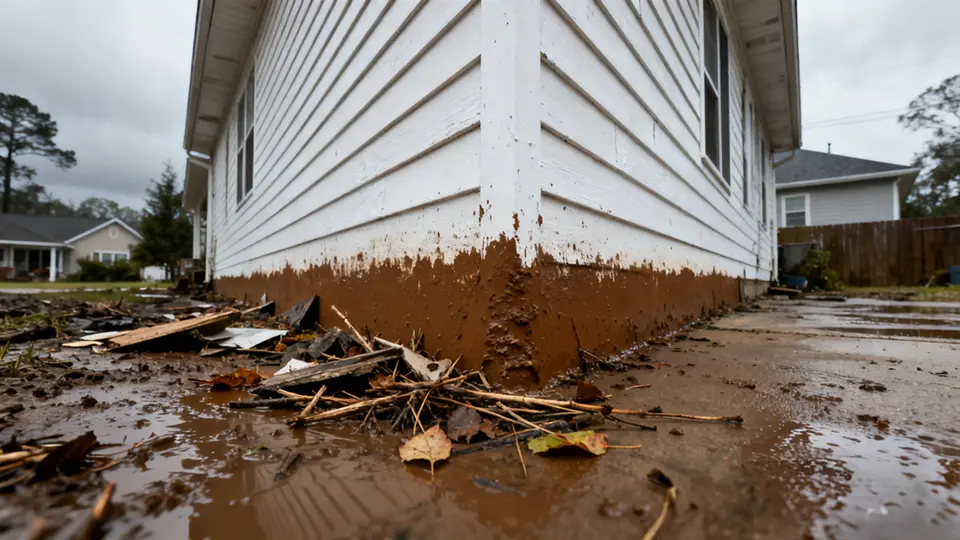
Following major flooding events, attention is increasingly turning to a secondary but significant threat: mold growth. A report by AOL News highlights how the aftermath of flooding creates conditions highly favorable for fungal development, raising concerns among health experts and affected communities.
While flood damage is often assessed in terms of structural loss and immediate disruption, the lingering presence of moisture within homes and buildings introduces a less visible but persistent risk. Mold can begin developing rapidly once water saturates materials, making it a critical issue during recovery efforts.

Rapid Mold Development in Damp Environments
Mold thrives in environments where moisture, warmth, and organic material are present. After flooding, these conditions are often met simultaneously. Porous materials such as wood, drywall, carpets, and insulation absorb water and retain moisture, providing an ideal environment for fungal growth.
Experts warn that mold can begin to develop within 24 to 48 hours under such conditions. Even after visible water has been removed, residual dampness can sustain fungal activity, allowing it to spread behind walls, under flooring, and within ventilation systems.

Airborne Spores and Indoor Exposure
One of the primary concerns associated with mold growth is the release of airborne spores. These microscopic particles can disperse throughout indoor environments, especially when contaminated materials are disturbed during cleanup.
Inhaling mold spores may lead to a range of health effects. Common symptoms include coughing, sneezing, nasal congestion, eye irritation, and skin reactions. For individuals with asthma, allergies, or compromised immune systems, exposure can result in more severe respiratory complications.
Children, the elderly, and those with pre-existing health conditions are considered particularly vulnerable, making early intervention essential in flood-affected areas.

Challenges in Detection and Removal
Detecting mold is not always straightforward. While visible growth may appear on surfaces, much of the contamination can remain hidden. Mold often develops in concealed spaces, including wall cavities, ceilings, and HVAC systems.
This hidden nature complicates remediation efforts. Simply cleaning visible areas may not address the full extent of contamination. In many cases, affected materials must be removed and replaced to ensure that mold does not persist.
Professional remediation services are often recommended for severe cases, particularly when large areas are affected or when contamination involves structural components.

The Importance of Rapid Drying
Timely drying is one of the most effective measures to prevent mold growth after flooding. Reducing moisture levels quickly limits the conditions that fungi require to develop.
Experts recommend using dehumidifiers , fans, and natural ventilation to accelerate drying. Opening windows, increasing airflow, and removing water-damaged materials can significantly reduce the risk of mold proliferation.
Delays in these actions can lead to extensive contamination, increasing both health risks and the cost of repairs.

Long-Term Health and Economic Impacts
Beyond immediate symptoms, prolonged exposure to mold can contribute to ongoing health issues. Chronic respiratory problems, persistent allergies, and other conditions may develop if exposure continues over time.
The economic impact is also substantial. Repairing mold-damaged properties often involves replacing structural elements, furnishings, and personal belongings. For many households, these costs add to the financial burden already caused by flooding.
Communities may experience extended recovery periods, as mold contamination delays rebuilding and reoccupation of affected spaces.
Prevention Strategies for Future Events
In regions prone to flooding, preventive measures are increasingly emphasized. Improving building design, enhancing drainage systems, and using moisture-resistant materials can help reduce the risk of mold growth.
Routine maintenance, including checking for leaks and ensuring proper ventilation, also plays a role in minimizing vulnerability. While such measures cannot eliminate risk entirely, they can significantly reduce the severity of post-flood mold issues.

Public Health Awareness and Response
Authorities stress the importance of public awareness in managing mold risks. Clear guidelines on safe cleanup practices, proper protective equipment, and when to seek professional assistance are essential components of effective response strategies.
Education efforts aim to equip residents with the knowledge needed to identify and address mold early, reducing both health risks and long-term damage.
A Persistent Aftermath of Flooding
The impact of flooding extends beyond the immediate event. As water recedes, the conditions left behind create an environment where mold can flourish, often unnoticed until it becomes widespread.
Addressing this issue requires both immediate action and sustained attention. The presence of mold serves as a reminder that environmental disasters have lasting consequences, affecting not only physical structures but also the health and well-being of those who inhabit them.
structures but also the health and well-being of those who inhabit them.
References
According to AOL
Key Takeaways
- Following major flooding events, attention is increasingly turning to a secondary but significant threat: mold growth.
- While flood damage is often assessed in terms of structural loss and immediate disruption, the lingering presence of moisture within homes and buildings introduces a less visible but persistent risk.
- After flooding, these conditions are often met simultaneously.
- Even after visible water has been removed, residual dampness can sustain fungal activity, allowing it to spread behind walls, under flooring, and within ventilation systems.
- Inhaling mold spores may lead to a range of health effects.
Frequently Asked Questions
What should you know about rapid Mold Development in Damp Environments?
Mold thrives in environments where moisture, warmth, and organic material are present. After flooding, these conditions are often met simultaneously. Porous materials such as wood, drywall, carpets, and insulation absorb water and retain moisture, providing an ideal environment for fungal growth.
What should you know about airborne Spores and Indoor Exposure?
One of the primary concerns associated with mold growth is the release of airborne spores. These microscopic particles can disperse throughout indoor environments, especially when contaminated materials are disturbed during cleanup.
What should you know about challenges in Detection and Removal?
Detecting mold is not always straightforward. While visible growth may appear on surfaces, much of the contamination can remain hidden. Mold often develops in concealed spaces, including wall cavities, ceilings, and HVAC systems.
What should you know about the Importance of Rapid Drying?
Timely drying is one of the most effective measures to prevent mold growth after flooding. Reducing moisture levels quickly limits the conditions that fungi require to develop.
What should you know about long-Term Health and Economic Impacts?
Beyond immediate symptoms, prolonged exposure to mold can contribute to ongoing health issues. Chronic respiratory problems, persistent allergies, and other conditions may develop if exposure continues over time.