The Hidden Challenge Beneath Our Harvests

Source: Wikimedia Commons — CC BY-SA 4.0
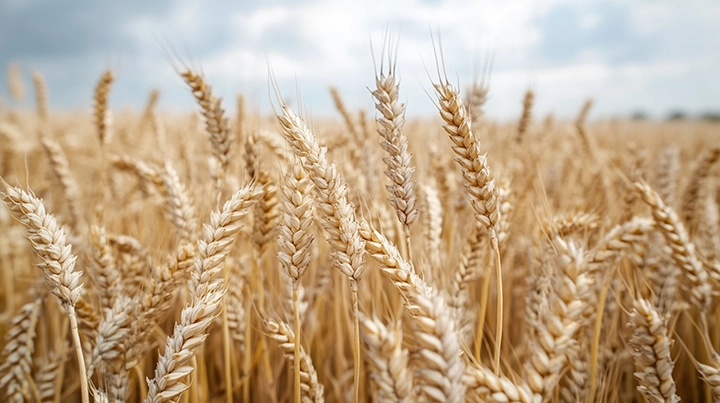
It begins quietly, like an invisible tug-of-war between crops and climate. Fields of wheat, corn, and barley look healthy at first glance — but beneath this abundance lurks a persistent threat.
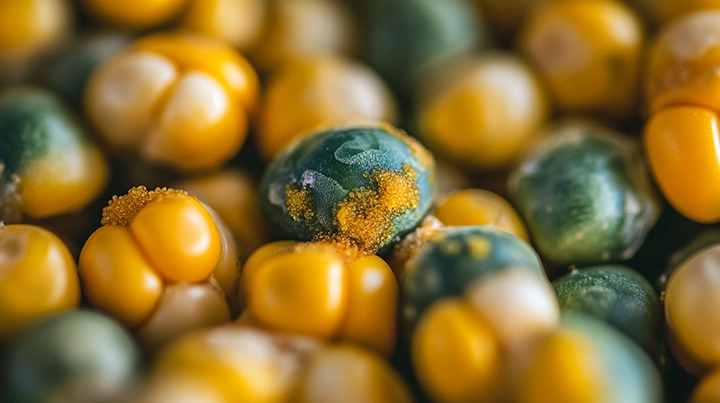
For centuries, moulds have silently challenged our food supply by releasing microscopic troublemakers: mycotoxins. Today, nearly a quarter of the world’s crops are contaminated, increasing food waste and economic losses.
Globally, nearly 25% of the world’s crops are contaminated by mycotoxins, leading to enormous economic losses and food wastage every year (FAO). A global 10-year study showed over 74,821 animal feed samples found 81% contained at least one mycotoxin (Biomin World Mycotoxin Survey).
These contaminants jeopardize animal health and ripple outward, threatening food security and exposing humans to subtle risks.
As our planet warms, this problem grows. Higher temperatures, humidity, and unpredictable weather create perfect conditions for moulds. Climate change is expanding their territory, bringing mycotoxins like Enniatins (ENNs) and Beauvericin (BEA) into new regions.
Yet the real twist lies deeper: it’s not just the fungi we know, but the fungi we don’t. Fungi continuously evolve new mycotoxins that slip past monitoring systems. While scientists race to understand familiar threats, lesser-known players like ENNs and BEA quietly spread through our food chain.
Enniatins and Beauvericin: Nature’s Complex Characters

Source: Wikimedia Commons — CC BY-SA 4.0
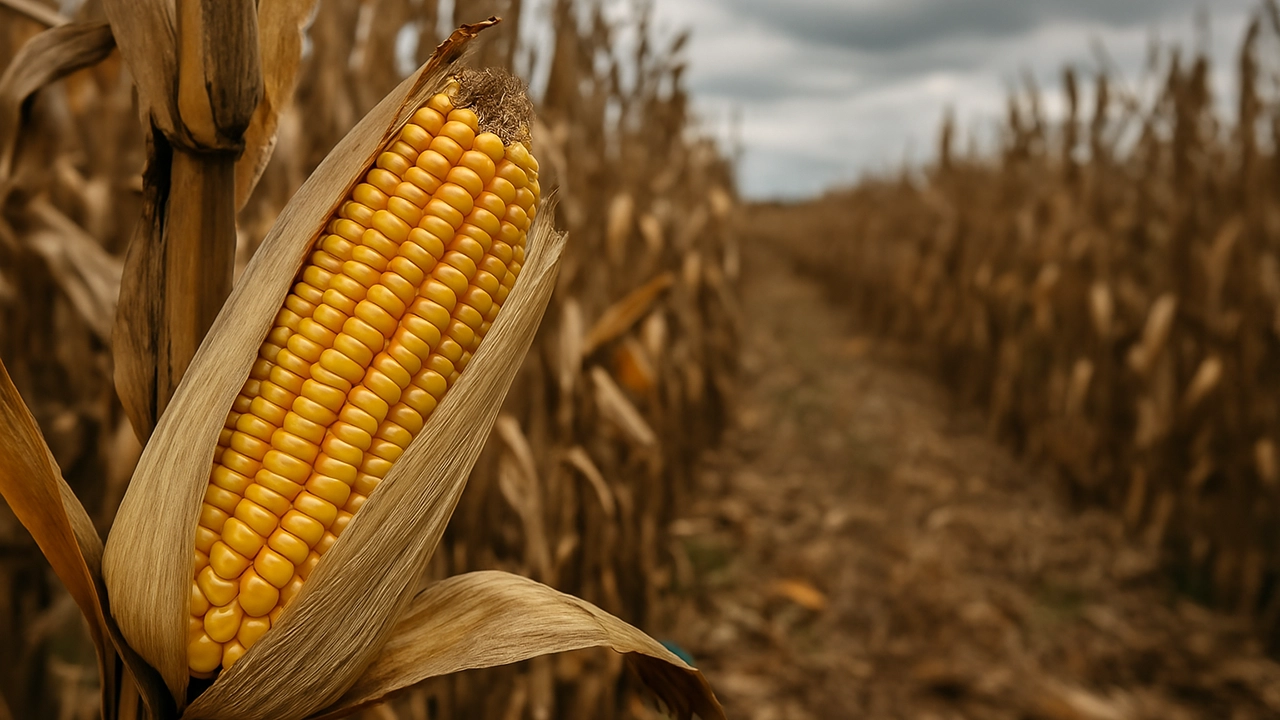
ENNs and BEA may sound like scientific curiosities, but they’re becoming real-world concerns. These compounds come from Fusarium moulds, which thrive on wheat, barley, and maize. But they don’t stop there — traces have been found in animal feed, herbs, and fruits.
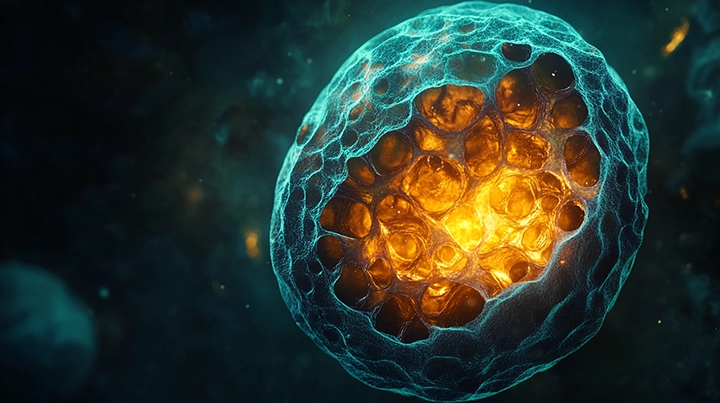
In nature, these mycotoxins help moulds fend off rivals. But inside human and animal bodies, they behave less like protectors and more like saboteurs. New toxicological studies show they can disrupt cells and, in labs, affect immunity, reproduction, and nerve function.
Fortunately, the levels found in our food remain far below those causing harm in animal tests. For context, lab studies place the lowest observed adverse effect level (LOAEL) for ENN B at around 8 mg/kg body weight per day — much higher than trace amounts in meals.
Still, their persistence keeps scientists watchful. ENNs and BEA regularly show up in food samples worldwide. It’s not about dramatic outbreaks, but steady, low-level exposure that deserves attention.
Following the Trail: From Farm to Table
Perhaps the most concerning clue is ENN B’s presence not just in animal feed, but in human blood, liver tissues, and breast milk. This breadcrumb trail leads straight to our food chain.
Livestock consuming contaminated feed become carriers. Mycotoxins pass through their bodies and appear in daily foods: milk, eggs, meat. ENN B has been found in chicken liver, fish and raw milk — levels are low, but their steady presence is telling.
Even at low levels, ENNs and BEA accumulate in fatty tissues and the liver, raising concerns about long-term effects. Vulnerable groups, like infants and those with weakened immune systems, may be more sensitive.
Adding complexity, ENNs and BEA rarely travel alone. They often appear with other mycotoxins, raising questions about combined effects. Could they amplify each other’s risks? Might they act in quiet synergy?

Source: Wikimedia Commons — CC BY-SA 3.0
The Unclear Horizon of Long-Term Exposure
ENN B is the most studied, but its relatives, like ENN A1 and BEA, remain mysterious. How they travel through the human body and interact with other factors is still a puzzle waiting to be solved.
What’s clear, however, is that despite the limits of laboratory simulations, the real world is telling its own story. ENN B has been consistently detected in human blood and breast milk — unmistakable signs that these environmental mycotoxins are not just distant threats but active participants in our biology.
While we lack precise data on daily intake and long-term effects, their very presence in our bodies underscores an urgent need to understand more. This is especially true for vulnerable populations like infants and those with weakened immune systems, where even subtle exposures could have outsized impacts.
Moreover, ENNs and BEA rarely act alone. Their companionship with other mycotoxins raises pressing questions: could they amplify each other’s effects, awaken hidden dangers, or create unexpected risks when combined?
For the food safety community, the lesson is clear. Waiting for undeniable harm would be a mistake. Instead, experts are calling for proactive measures: vigilant monitoring, clear precautionary guidelines, and keeping every part of the food chain alert to these evolving, invisible threats.
Guarding Our Food: How to Stop Mycotoxins Before They Reach Your Plate

Source: Wikimedia Commons — CC BY-SA 4.0
Facing a challenge like ENNs and BEA calls for action that’s not just smart, but personal and practical. Let’s start where it matters most: our homes and our choices.
Consumers can become everyday defenders by choosing food from trusted, transparent sources and supporting producers who commit to safer farming and storage practices. It’s as simple as asking your local grocer about sourcing, or favouring products that invest in quality control.
And policymakers should close the gap between science and regulation. Push for funding that prioritises research into emerging mycotoxins and support farmers with incentives to adopt safer practices. Regulations should not feel like burdens, but like shields protecting communities from silent threats.
In the end, everyone has a role to play — not just as consumers or producers, but as protectors of the meals that nourish us all. By staying curious, asking better questions, and working together, we can transform quiet concern into powerful prevention.
Why This Matters More Than Ever
What makes ENNs and BEA so concerning is their subtlety. They don’t cause food recalls overnight. They don’t make headlines. But they persist, weaving quietly into our meals.
This is a wake-up call, not a panic alarm. These mycotoxins remind us that food safety is an ongoing journey. It demands vigilance, curiosity, and readiness for evolving risks.
As climate change reshapes agriculture, staying ahead of quiet threats like ENNs and BEA means embracing continuous learning. By expanding research, improving monitoring, and fostering global cooperation, we can protect our food supply from both known and emerging dangers.
Because sometimes, it’s the hazards we barely see that deserve our sharpest focus. And with ENNs and BEA, a little curiosity and care goes a long way toward keeping our plates safe and our families well.

Source: Wikimedia Commons — CC BY 4.0 (NOAA Climate Data)
References
Peer-reviewed & Official Sources