When Mold Exposure Becomes Personal
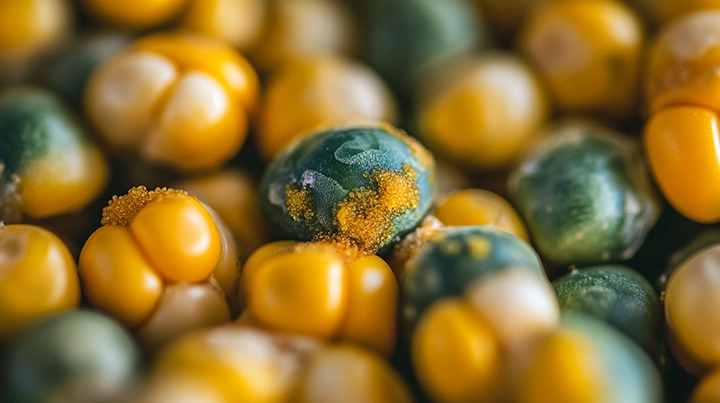
Most people think of mold as something that spoils food or grows in damp corners, but its impact goes far deeper. For decades, scientists measured mycotoxins—the toxic compounds some molds produce—in grain, spices, and other foods. Yet the question of what happens after these toxins enter the human body has long remained out of focus.
That gap is finally narrowing. A 2025 study published in Scientific Reports takes a direct look inside the human body, tracing the fate of mycotoxins as they pass through blood, metabolism, and excretion. Rather than guessing exposure from contaminated food alone, the research pivots to biomarkers—the molecular signatures mycotoxins leave behind in our systems. By analyzing these biological fingerprints, scientists can tell how much toxin a person actually absorbed, how fast it was broken down, and how long it lingered. The result is a more precise, individual record of exposure—one that turns the abstract idea of “risk” into something concrete and personal.

The Study: Tracking Mycotoxins Under Controlled Conditions
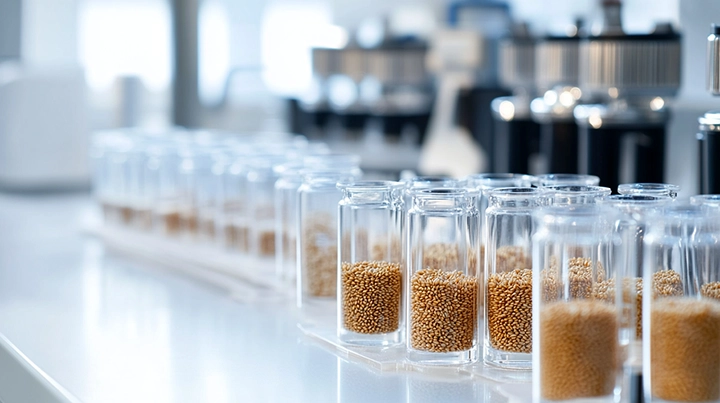
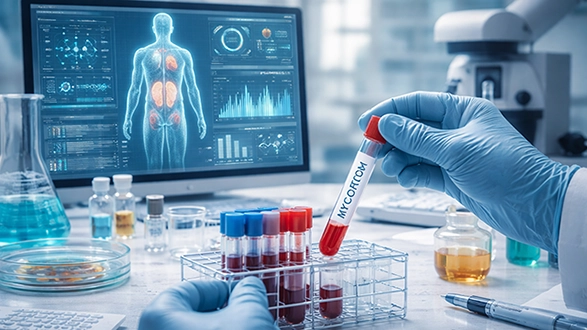
To uncover these secrets, researchers designed a controlled human intervention study. Volunteers received carefully measured mycotoxin doses, always under strict ethical review. Samples of blood, urine, and feces were collected at set intervals, allowing scientists to map how the toxins moved and changed within each participant. The team monitored the speed of absorption, the routes toxins took as they transformed or were eliminated, and how these processes varied from one person to another.
What truly set this study apart, though, was the integration of advanced toxicokinetic modeling with machine learning. Instead of relying solely on traditional statistics, researchers used algorithms to comb through the data, finding subtle biomarker patterns and individual differences that older methods might have missed. This approach brought a new level of detail and accuracy to understanding mycotoxin behavior inside the body, and made it possible to distinguish, for example, background dietary exposure from what was given in the study.


Why Machine Learning Is a Game-Changer
Mycotoxin metabolism isn’t one-size-fits-all. The fate of these toxins depends on a person’s gut microbes, liver enzymes, diet, and general health. Two people can eat the same food and process toxins in very different ways. By applying machine learning, the researchers could detect faint patterns in biomarker data, offering a clearer, more individualized view of exposure. This opens the door to personalized risk assessments, rather than blanket safety limits that might not fit everyone.

Implications for Food Safety and Public Health
Low-level mycotoxin exposure is almost universal, especially for people who eat cereals, nuts, coffee, and spices. Acute poisoning is rare, but long-term, low-level exposure has been linked to immune suppression, hormonal disruption, liver and kidney damage, and even increased cancer risk. Validating human biomarkers of mycotoxin exposure is a major step forward. It strengthens the foundation for dietary risk assessments, occupational health monitoring, long-term public health studies, and early-warning systems for vulnerable groups. As the climate warms and molds become more widespread, having these new scientific tools becomes all the more important.


Beyond the Laboratory: Mold Exposure in Real Life
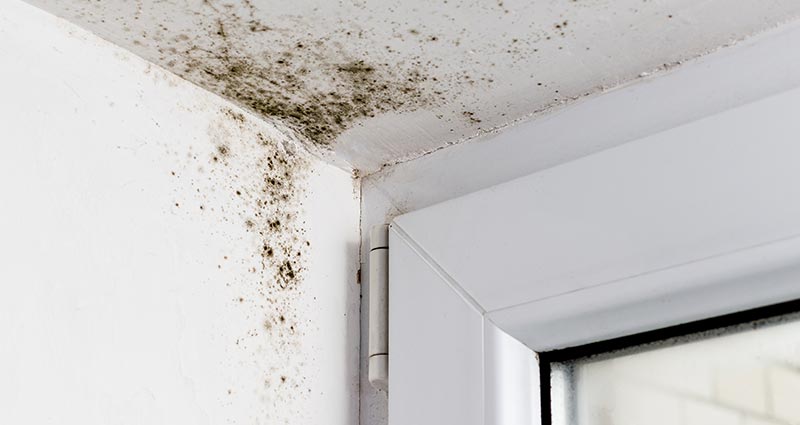
The significance of this research isn’t limited to food. Many mycotoxins originate from molds found in buildings, workplaces, and HVAC systems. Improved biomarker detection could eventually help scientists distinguish between exposure through diet, occupation, or chronic indoor mold problems. For public health professionals and families alike, this offers a clearer path to investigating and addressing mold-related health concerns with evidence instead of guesswork.
This research marks a quiet revolution in mold science. By following mycotoxins through the human body and applying machine learning, scientists have shifted the field from indirect estimates to direct, measurable evidence. In the future, tracking mold exposure could become as routine as testing for cholesterol or vitamin levels—helping to inform clinical care, public health decisions, and environmental policy.


References
Academic Sources
- Turner, P. C., et al. (2012). Biomarkers of mycotoxin exposure: a review. Food and Chemical Toxicology. DOI: 10.1016/j.fct.2012.01.044
- Riley, R. T., & Pestka, J. J. (2019). Mycotoxins: metabolism and health effects. Toxicological Sciences. DOI: 10.1093/toxsci/kfz164
- Human toxicokinetics and biomarker modeling study. Scientific Reports.
Official & Institutional Sources
- World Health Organization (WHO) – Mycotoxin fact sheet: https://www.who.int/news-room/fact-sheets/detail/mycotoxins
- U.S. Centers for Disease Control and Prevention (CDC) – Mold and health: https://www.cdc.gov/mold
- Food and Agriculture Organization (FAO) – Food safety and contaminants: https://www.fao.org