According to PHYS.ORG
Largest U.K. Study Reveals Homes Are Active Fungal Ecosystems
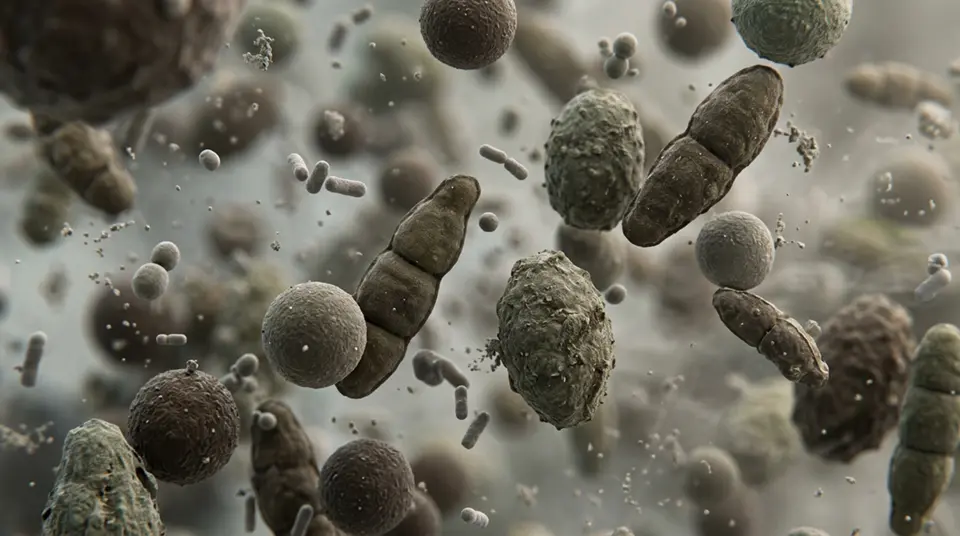
A groundbreaking study conducted by researchers at Imperial College London has revealed that indoor air contains a far greater diversity of airborne fungi than previously understood, challenging long-held assumptions about how fungal exposure occurs within homes. The findings suggest that residential environments function as active fungal ecosystems rather than merely reflecting outdoor air conditions.
The research, known as the West London Healthy Home and Environment Study (WellHome), represents the largest longitudinal investigation of indoor fungal air pollution ever conducted in the United Kingdom. Over a two-year period, scientists monitored the indoor and outdoor air of 118 households across West London, focusing particularly on families with children affected by asthma or allergies, as well as households from ethnic minority and lower socio-economic communities.

More Than 2,000 Fungal Genera Identified
Using advanced DNA sequencing and molecular profiling techniques, researchers identified more than 2,000 fungal genera within the sampled environments. The results demonstrated that indoor fungal communities were not only highly diverse but, in some cases, significantly more complex than those found outdoors.
The discovery challenges the traditional view that indoor fungal exposure is largely determined by outdoor environmental conditions. Instead, researchers found that homes develop their own distinct fungal ecosystems, influenced by building characteristics, occupancy patterns, ventilation, seasonal changes, and indoor environmental conditions.
Among the most significant findings was the consistent enrichment of several fungal groups associated with respiratory disease and allergic reactions.
Fungi belonging to the genera Aspergillus and Penicillium were frequently detected at higher concentrations indoors than outdoors.
Both genera contain species known to trigger asthma symptoms, allergic responses, and respiratory complications in susceptible individuals.
Key Findings from the WellHome Study
| Indicator | Result |
|---|---|
| Study Duration | 2 Years |
| Households Sampled | 118 |
| Fungal Genera Identified | 2,000+ |
| Location | West London |
| Focus Population | Asthma & Allergy Families |
Generated by AI based on Imperial College London WellHome study data.
Seasonal Changes Influence Indoor Fungal Communities
The study also revealed substantial seasonal variation in indoor fungal communities.
Different fungal populations became dominant at different times of the year, suggesting that fungal exposure within homes is dynamic rather than constant.
This seasonal fluctuation may help explain variations in respiratory symptoms experienced by allergy and asthma sufferers throughout the year.
Perhaps the most important public health finding was the discovery that clinically significant levels of airborne fungal contamination can occur even when no obvious signs of dampness or mold are visible.
Current housing inspections in the United Kingdom primarily rely on visual assessments, evidence of moisture damage, and limited identification of visible fungal growth.
However, the study indicates that these methods may fail to detect potentially harmful fungal bioaerosols suspended in indoor air.

Hidden Aspergillus Exposure Linked to Serious Health Risks
Researchers highlighted one particularly concerning case in which elevated concentrations of Aspergillus were consistently detected within a home despite the absence of clearly visible mold.
During the study period, a child living in the household who had a confirmed allergy to Aspergillus experienced multiple asthma-related hospitalizations.
The case illustrates how hidden fungal contamination may contribute to serious health outcomes while remaining undetected by conventional inspection methods.
The findings raise broader concerns about the potential scale of hidden fungal exposure in residential environments.
Vulnerable populations, including children with asthma, allergy sufferers, older adults, and immunocompromised individuals, may be exposed to airborne fungal hazards without any obvious warning signs within their homes.
Awaab’s Law Highlights Growing Public Health Concerns
The research comes shortly after the implementation of Awaab’s Law, in the United Kingdom.
The legislation was introduced following the death of two-year-old Awaab Ishak, whose fatal exposure to mold in social housing highlighted the severe health consequences that can result from inadequate housing conditions.
The law has increased recognition of dampness and mold as significant public health issues and has strengthened responsibilities for housing providers to address such hazards.
Despite this legislative progress, researchers argue that an important regulatory gap remains.
Unlike many other forms of air pollution, there are currently no quantitative legal standards that define acceptable or unsafe levels of airborne fungal exposure within residential environments.
As a result, housing authorities and public health agencies often lack objective benchmarks for assessing risk.
Current Mold Inspections May Miss Airborne Risks
According to the research team, traditional methods of mold assessment are no longer sufficient to capture the true burden of fungal bioaerosols in homes.
Visual inspections may identify severe mold growth, but they cannot accurately measure airborne fungal concentrations or reveal hidden contamination sources.
Molecular monitoring techniques provide a far more detailed picture of indoor fungal exposure and may be necessary for effective risk assessment in the future.
The study establishes one of the most comprehensive baseline datasets currently available for fungal bioaerosol exposure in U.K. households.
Researchers believe these data could support future public health surveillance programs and contribute to the development of evidence-based regulations governing indoor fungal pollution.
Traditional vs Advanced Monitoring
| Method | Limitation |
|---|---|
| Visual Inspection | Misses hidden bioaerosols |
| Moisture Assessment | Detects only moisture indicators |
| Mold Identification | Limited to visible growth |
| DNA Sequencing | Detects hidden fungal diversity |
| Molecular Profiling | Measures complex communities |
Generated by AI based on WellHome study findings.
Calls for Quantitative Fungal Exposure Standards
The team is now calling for policymakers to establish quantitative exposure thresholds for fungal bioaerosols, similar to standards already used for particulate matter, nitrogen dioxide, and other recognized air pollutants.
Such thresholds would provide clearer guidance for housing inspections, improve consistency in risk assessment, and enable earlier intervention when hazardous conditions are identified.
Experts suggest that integrating fungal monitoring into housing regulations could fundamentally transform how dampness and mold are managed.
By identifying hidden fungal risks before visible damage appears, housing authorities could better protect vulnerable residents and reduce the burden of respiratory disease associated with indoor environmental exposures.
The findings also reinforce growing scientific recognition that fungal aerosols represent an important but often overlooked component of indoor air pollution.
While attention has traditionally focused on pollutants such as particulate matter, volatile organic compounds, and combustion by-products, fungal bioaerosols may play a significant role in respiratory health that has not yet been fully incorporated into public health policy.
Homes Function as Complex Biological Ecosystems
As understanding of indoor microbial ecosystems continues to advance, the study highlights the need for a more comprehensive approach to indoor environmental health.
The researchers conclude that monitoring airborne fungi should become an integral component of housing assessments and public health strategies aimed at reducing respiratory illness and improving indoor living conditions.
The study provides compelling evidence that homes are not passive environments but biologically active ecosystems containing complex fungal communities.
Recognizing and managing these invisible exposures may become increasingly important as policymakers seek new ways to protect public health and create healthier indoor environments.
References
WHO. Indoor Air Quality and Health Guidelines.
According to PHYS.ORG