According to Yahoo!news
Multiple Pathogens Are Threatening Native Snake Populations
A growing body of research is raising concerns about the health of native snake populations in the southeastern United States, where a combination of fungal infections, parasitic lungworms, and other pathogens is contributing to increasing disease burdens among wild reptiles. Scientists studying more than 500 snakes across multiple states have found that many individuals are simultaneously infected with multiple pathogens, creating conditions that may significantly increase mortality and threaten vulnerable species.
Among the most serious threats identified is ophidiomycosis, commonly known as snake fungal disease. Caused by the fungus Ophidiomyces ophidiicola, the disease has emerged as one of the most significant infectious threats facing wild snake populations in North America.

Snake Fungal Disease Continues to Expand
First documented in timber rattlesnakes in New Hampshire in 2006, snake fungal disease has since been detected in numerous snake species across the United States. Researchers report that the pathogen can persist in the environment, particularly within snake dens and contaminated habitats, allowing infections to spread even when direct snake-to-snake contact is limited.
The fungus infects the skin and underlying tissues of snakes, producing visible symptoms that often include swelling around the face, eyes, and nasal cavities. As the infection progresses, it may spread into the throat and respiratory system, causing severe physiological stress.
One of the challenges associated with detecting the disease is its relatively long incubation period. Symptoms may not appear until several weeks after exposure, allowing infected snakes to carry the pathogen before obvious signs become visible.
Mortality rates vary depending on species, environmental conditions, and disease severity. However, some affected populations have reported mortality rates approaching 40 percent, highlighting the potential conservation implications of widespread infections.
Researchers emphasize that snake fungal disease is rarely an isolated problem.
Co-Infections Increase Conservation Risks
The recent study revealed that many snakes were simultaneously infected with additional pathogens, including parasites, bacteria, and protozoan organisms. These co-infections place substantial physiological stress on affected animals and may reduce their ability to survive, reproduce, and resist further disease.
A second major threat identified in the study is Raillietiella orientalis, a parasitic lungworm that has expanded across portions of the southeastern United States.
Unlike snake fungal disease, which originates from environmental fungal exposure, this parasite is transmitted through prey species. Amphibians, lizards, and cockroaches can serve as intermediate hosts, carrying infective stages of the parasite until they are consumed by a snake.
Once inside the snake, the parasite migrates to the lungs and establishes itself within the respiratory system.
Major Pathogens Identified in the Study
| Pathogen | Type | Primary Impact |
|---|---|---|
| Ophidiomyces ophidiicola | Fungus | Snake fungal disease |
| Raillietiella orientalis | Lungworm parasite | Respiratory damage |
| Salmonella enterica | Bacterium | Systemic infection |
| Hepatozoon spp. | Protozoan | Blood and tissue infection |
| Mycoplasma spp. | Bacterium | Chronic disease |
Generated by AI based on Morris Animal Foundation wildlife disease data.
Lungworm Parasites Cause Severe Respiratory Damage
Researchers report that the parasite feeds on tissues and blood associated with the lungs, causing extensive damage that can impair respiration and overall health. Infected snakes frequently exhibit respiratory distress, reduced feeding behavior, weight loss, and progressive physical decline.
Severe infections can ultimately prove fatal.
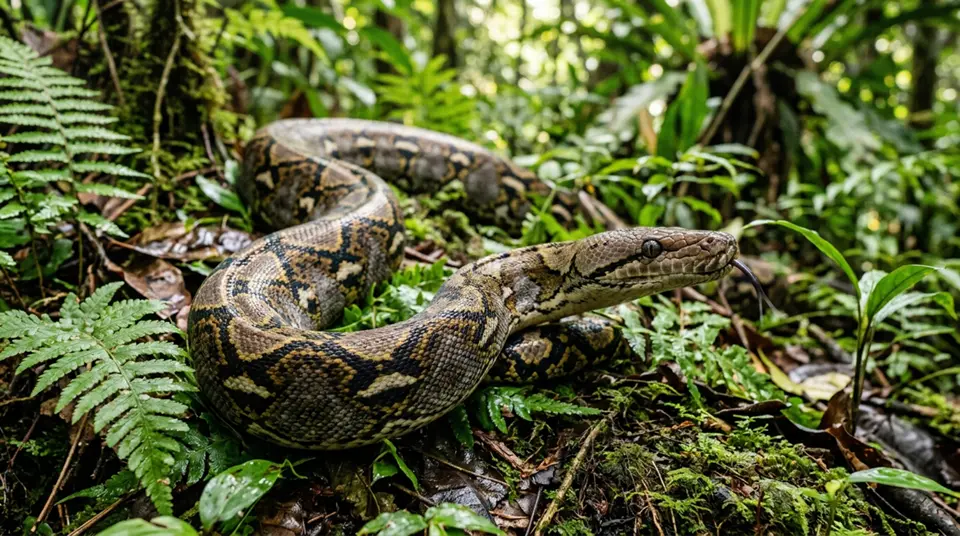
Scientists believe Raillietiella orientalis was likely introduced into North America through invasive Burmese pythons, which appear relatively resistant to its effects. These invasive snakes may have served as reservoirs that facilitated the parasite’s spread into native reptile populations.
The parasite has now been documented in at least thirteen native snake species across Florida and southern Georgia.
Rattlesnakes Show Elevated Infection Rates
The study revealed particularly high infection rates among rattlesnakes, especially pygmy rattlesnakes.
Researchers found that rattlesnakes tested positive for both snake fungal disease and lungworm infections at higher rates than many other species included in the survey. Scientists suggest this increased vulnerability may be linked to dietary preferences, as rattlesnakes frequently consume prey species capable of transmitting the parasite.
The findings emerged from a large-scale survey funded by the Morris Animal Foundation.
Researchers examined more than 500 snakes representing 29 species across wildlife refuges and natural habitats in Florida, Georgia, and South Carolina. The study aimed to assess the prevalence of multiple pathogens and evaluate potential interactions between infectious diseases affecting wild reptile populations.
The results revealed a surprisingly high disease burden.

High Levels of Co-Infection Detected
Approximately 63 percent of tested snakes carried Salmonella enterica, while 53 percent tested positive for Hepatozoon species, a group of tick-borne protozoan parasites. Another 18 percent carried medication-resistant Mycoplasma species.
Perhaps most concerning was the frequency of co-infections.
Researchers found that 44 percent of all sampled snakes carried more than one pathogen simultaneously. Nearly one-third of infected individuals hosted two pathogens at the same time, while smaller percentages carried three or even four infectious agents.
These findings suggest that disease interactions may be playing a significant role in reptile health.
Infection Prevalence Among Sampled Snakes
| Infection | Prevalence |
|---|---|
| Salmonella enterica | 63% |
| Hepatozoon spp. | 53% |
| Multiple Pathogens | 44% |
| Mycoplasma spp. | 18% |
| Snake Fungal Disease | Variable |
Generated by AI based on Morris Animal Foundation study results.
Disease Interactions May Amplify Mortality
Scientists note that animals already weakened by one infection often become more susceptible to additional pathogens. A snake struggling with a lungworm infection, for example, may have fewer resources available to combat fungal disease. Likewise, fungal infections may weaken immune defenses and increase vulnerability to parasites and bacterial pathogens.
The cumulative effect can significantly increase mortality rates.
The study highlights a broader issue within wildlife conservation: emerging diseases are becoming increasingly important drivers of population change.
While reptiles have historically received less attention than mammals and birds in disease ecology research, scientists now recognize that infectious diseases can have major impacts on reptile survival and biodiversity.
Snake fungal disease has drawn comparisons to other wildlife fungal epidemics, including white-nose syndrome in bats and chytridiomycosis in amphibians. These diseases demonstrate how fungal pathogens can alter population dynamics and contribute to long-term declines.
Conservation Implications and Future Monitoring
Researchers emphasize that continued surveillance will be essential for understanding how these pathogens spread and interact.
Monitoring snake populations, identifying high-risk habitats, and studying environmental factors that influence disease transmission may help conservationists develop strategies to reduce impacts on vulnerable species.
The findings also underscore the importance of preserving healthy ecosystems.
Environmental stress, habitat degradation, climate variability, and invasive species can all influence disease dynamics. As these pressures increase, wildlife populations may become more susceptible to emerging pathogens and co-infections.
For now, scientists remain focused on understanding the full extent of the threat.
The combination of snake fungal disease, parasitic lungworms, and multiple additional pathogens represents a complex challenge for reptile conservation. The study demonstrates that infectious diseases are not isolated events but interconnected ecological pressures capable of reshaping wildlife populations.
As research continues, understanding these hidden disease networks may prove critical for protecting native snake species and maintaining ecological balance across the southeastern United States.
References
USGS National Wildlife Health Center – Snake Fungal Disease
According to Yahoo!news