According to BBC
Historical Moss Collections Reveal New Clues About Fungal Ecology
Researchers in the United Kingdom are studying a naturally occurring moss die-back fungus that may offer new insights into preserving some of the country’s most unique and ecologically important moss landscapes. By examining historical moss collections dating back more than a century, scientists hope to determine when the fungus first appeared and how it may influence the balance of fragile ecosystems that support a wide range of species.
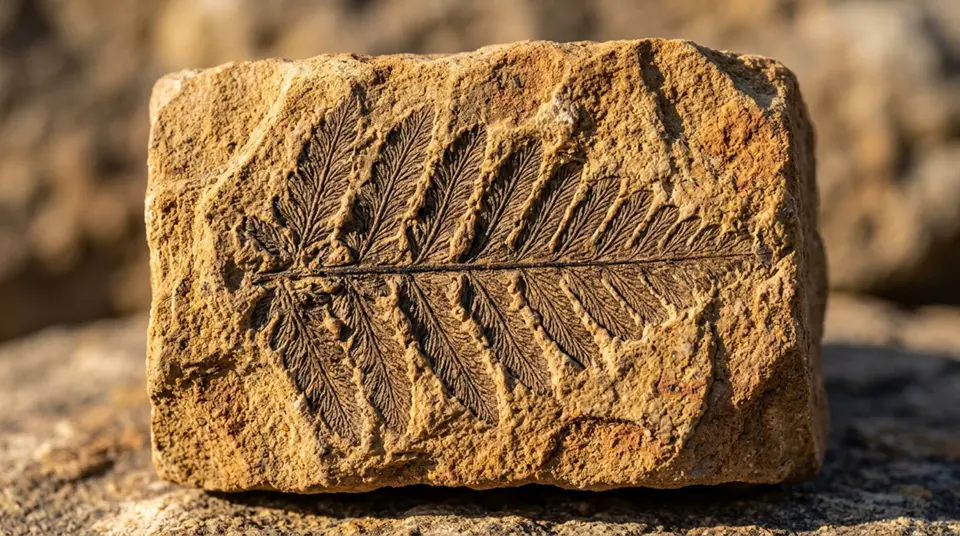
At the center of the investigation are preserved moss specimens housed within museum collections, including some of the oldest documented moss samples in the United Kingdom. Stored in paper envelopes and carefully maintained for decades, these specimens provide researchers with a rare opportunity to trace the history of fungal activity through time.
Scientists believe that by identifying evidence of the moss die-back fungus on historical samples, they can better understand its origins, distribution, and ecological role.

Museum Collections as Ecological Time Capsules
The research is being led by specialists in plant science, biodiversity, and conservation biology who view historical collections as valuable scientific archives. Unlike modern field observations, preserved specimens allow researchers to examine environmental changes that occurred long before contemporary monitoring programs existed.
By comparing historical and modern samples, scientists can reconstruct how fungal populations and moss communities have changed over time.
The preserved moss specimens, some dating back to the 1880s, offer a unique window into past ecosystems. Scientists can analyze these samples using modern laboratory techniques, including microscopy and molecular methods, to search for fungal traces that would have been impossible to detect when the specimens were originally collected.
This approach allows researchers to investigate questions that span more than a century of ecological history.
Why Moss Ecosystems Matter
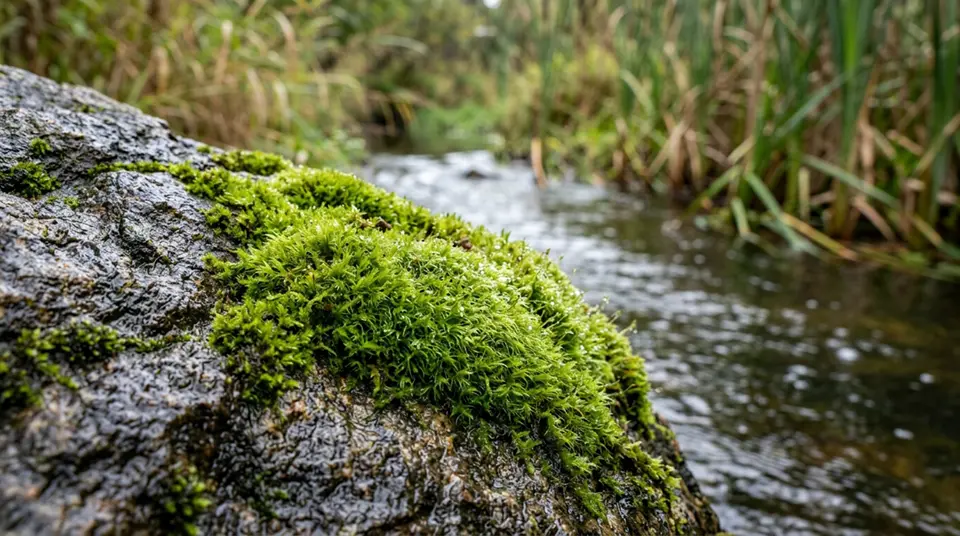
Mosses are often overlooked when compared with larger plants and trees, yet they play a critical role in many natural ecosystems. Moss-covered landscapes provide habitat, shelter, and moisture regulation for numerous organisms, including insects, molluscs, fungi, microorganisms, and other plant species.
These habitats contribute significantly to biodiversity and ecosystem stability.
Researchers emphasize that healthy moss ecosystems act as miniature ecological networks. They help retain water, influence nutrient cycling, reduce soil erosion, and create environmental conditions that support a diverse range of species.
Because mosses are highly sensitive to environmental change, they are often used as indicators of ecosystem health.

Could the Moss Die-Back Fungus Be Beneficial?
The moss die-back fungus has attracted scientific interest because it appears to influence the growth and spread of dominant moss species. Understanding this interaction may provide new insights into how natural biological controls function within ecosystems.
Rather than viewing fungi solely as destructive organisms, researchers increasingly recognize that fungal species can play important ecological roles by regulating plant populations and maintaining balance within habitats.
According to scientists involved in the study, the fungus may provide a natural mechanism that limits excessive moss dominance in certain environments. Such biological controls can create opportunities for other plant species to establish themselves, potentially increasing habitat diversity.
Researchers stress that further investigation is necessary before drawing definitive conclusions regarding the fungus’s long-term ecological effects.
Potential Ecological Functions
| Ecological Role | Potential Benefit |
|---|---|
| Moss Regulation | Reduced dominance of single species |
| Habitat Diversification | Increased plant diversity |
| Nutrient Cycling | Improved ecosystem functioning |
| Ecological Balance | Enhanced resilience |
| Biological Control | Natural population regulation |
Generated by AI based on published fungal ecology and conservation research.
Biodiversity Conservation in the United Kingdom
The study also highlights the broader importance of biodiversity conservation in the United Kingdom.
Britain is widely recognized as one of the most nature-depleted countries in the world. Numerous studies have documented declines in native species, habitat quality, and ecological resilience over recent decades. Conservation organizations estimate that approximately one in six species within the UK faces a risk of extinction.
These trends have intensified efforts to identify effective methods for protecting and restoring natural habitats.
Within this context, the discovery and study of a potentially beneficial ecological control mechanism offers a source of optimism for conservation scientists.
Researchers note that biological solutions often provide more sustainable outcomes than artificial interventions. Natural interactions between plants, fungi, and other organisms have evolved over long periods and may contribute to ecosystem regulation in ways that are difficult to replicate through human management alone.
Understanding the Historical Presence of the Fungus
The findings could help determine whether the moss die-back fungus is a recent arrival or a long-established component of British ecosystems. Understanding its historical presence may reveal how environmental conditions, climate factors, and habitat changes have influenced fungal distribution over time.
Such information is increasingly valuable as scientists seek to understand how ecosystems respond to environmental pressures.
Researchers also point out that fungi remain one of the least understood components of global biodiversity.
While fungi are essential to nutrient cycling, decomposition, plant health, and ecosystem functioning, many species remain poorly documented. New fungal species continue to be discovered each year, and scientists believe that a significant portion of fungal diversity worldwide remains unknown.
The moss die-back fungus therefore represents not only a conservation question but also an opportunity to expand scientific understanding of fungal ecology.
Global Importance of Fungal Biodiversity
Generated by AI based on UNEP biodiversity datasets and global fungal diversity studies.
Natural History Collections and Modern Science
The project demonstrates how museum collections can contribute to modern environmental research. Specimens collected generations ago are now helping scientists address contemporary conservation challenges, highlighting the enduring value of natural history collections.
As biodiversity loss continues to affect ecosystems worldwide, historical archives may become increasingly important tools for understanding ecological change.
Researchers remain cautiously optimistic about the implications of their findings. While additional studies are needed to fully understand the fungus’s role, the evidence suggests that natural biological interactions may help support the preservation of rare moss habitats and the species that depend upon them.
For conservation scientists, the research represents an encouraging example of how studying overlooked organisms can reveal new opportunities for protecting biodiversity.
The investigation ultimately underscores a broader ecological lesson: even small organisms hidden within moss-covered landscapes can influence the health and resilience of entire ecosystems. By uncovering the history of the moss die-back fungus, researchers hope to better understand how nature regulates itself and how those processes can contribute to future conservation efforts.

References
According to BBC