When we think about fungi, we often imagine mushrooms growing in forests or mold creeping up old bread. But what if we told you that your home is a thriving ecosystem for countless fungi—even on surfaces you wouldn’t expect?
A recent study on residential fungi revealed that molds and other fungi don’t just appear where you expect them—they settle, grow, and travel in surprising ways. From windowsills to bathroom drains to even human skin, fungal spores are constantly moving through the air and interacting with their environment.
So, where are these fantastic molds hiding? Let’s take a deep dive into the hidden fungal hotspots of your home.
Windowsills: A Hidden Gateway for Airborne Fungi
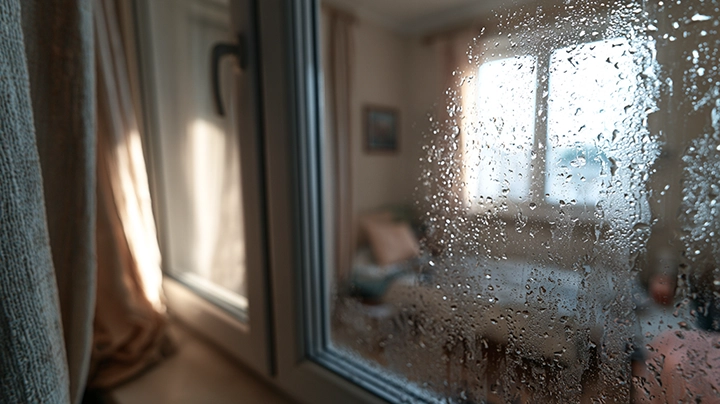
Think your windowsill is just a place where dust settles? Think again. Your window isn’t just letting in sunlight—it’s also a magnet for tiny fungal spores floating in the air. Every time you open it or moisture collects on the glass, spores hitch a ride, finding their way indoors.
When condensation builds up on the surface, it creates the perfect damp spot for spores to settle and linger. While most of them don’t grow immediately, they stick around, waiting for the right conditions to spread. Without regular cleaning or airflow, what starts as a harmless collection of spores can turn into a mold problem before you even notice.
Among the most common fungi found on windowsills is Cladosporium, a mold that drifts in from outdoor air but thrives in damp indoor spaces. Cryptococcus, usually found in soil, can sneak indoors through airborne dust. Penicillium, the same genus that gave us antibiotics, also lurks in moisture-rich areas, ready to spread if left unchecked.
Think of your windowsill as a fungal landing strip, passively collecting spores from the outside world. While these fungi might not always take root, excess moisture can quickly turn your windowsill into a thriving mold colony. The best way to keep it under control? Ventilate, wipe away condensation, and don’t let mold find a home where it doesn’t belong.

Source: Alexander Davronov, Wikimedia Commons, CC BY-SA 4.0
Drains: The Hidden Mold Factories
If there’s one place in your home where mold isn’t just settling but actively thriving, it’s your drain. Unlike windowsills, where fungi are simply floating in from the air, drains provide the ideal conditions for mold growth—constant moisture, organic debris, and a lack of airflow create the perfect microenvironment for fungi to flourish.
Drains are particularly hospitable to Exophiala, a black yeast-like fungus that thrives in hot, wet environments like shower drains. Another common inhabitant is Candida, a genus that includes species responsible for infections but also frequently appears in household plumbing systems. Fusarium, often associated with plant diseases, is also found in drains, where its ability to survive in wet, nutrient-rich spaces makes it a persistent problem.
Your drain isn’t just catching water—it’s creating a miniature fungal ecosystem. Regular cleaning, airflow improvement, and proper sanitation are essential to preventing mold from turning your drain into an unseen breeding ground.

Source: Tony Webster, Wikimedia Commons, CC BY-SA 2.0
Human Skin: The Unexpected Fungal Highway
Here’s something you probably didn’t expect—your own skin is carrying outdoor fungi into your home! While it’s no surprise that Malassezia, a yeast naturally found on human skin, was detected in the study, researchers also discovered unexpected fungal species, including plant pathogens and airborne outdoor molds, lingering on human foreheads.
One of the most surprising finds was Claviceps purpurea, the infamous ergot fungus known for infecting grains—and even linked to hallucinations during the Salem witch trials. But that wasn’t all. Airborne mold spores from the environment were also found on human skin, meaning that as you move from place to place, you’re unknowingly picking up, carrying, and dispersing fungal spores indoors.
In a way, humans act as mobile fungal couriers, transporting spores without ever noticing. While most of these fungi don’t pose a direct health risk, their presence reveals just how interconnected fungal communities are with human environments. This study highlights how our daily movements play a role in fungal distribution, reinforcing the idea that mold isn’t just growing in your home—it’s traveling with you.

Source: Wikimedia Commons, CC BY-SA 3.0
What We Can Learn from Fungal Communities: Mold’s Secret Network
Mold isn’t just an unwanted guest—it’s always on the move, floating through the air and settling wherever conditions are right. This study shows that mold isn’t just an indoor problem—it’s a traveler, hitching a ride into homes and thriving when it finds moisture, warmth, and a place to grow.
Fungal spores enter your home through air, surfaces, and even people. Windowsills act like landing zones, collecting airborne mold from outside. Drains, on the other hand, are perfect for active mold growth, thanks to moisture and organic buildup. Even your own skin carries spores indoors, spreading them without you even realizing it.
By understanding what makes mold grow—moisture, air circulation, and surface type—you can take simple steps to keep it under control. Instead of seeing mold as a random issue, it’s important to recognize that your home is an active environment where fungi, air, and daily life all interact.

Source: Wikimedia Commons, CC BY-SA 4.0
What Should You Do? Is Action Really Necessary?
Mold is always present in the environment, but where it thrives depends entirely on how well moisture and airflow are managed. Do you really need to take action? That depends—do you want mold controlling your environment, or do you want to control it?
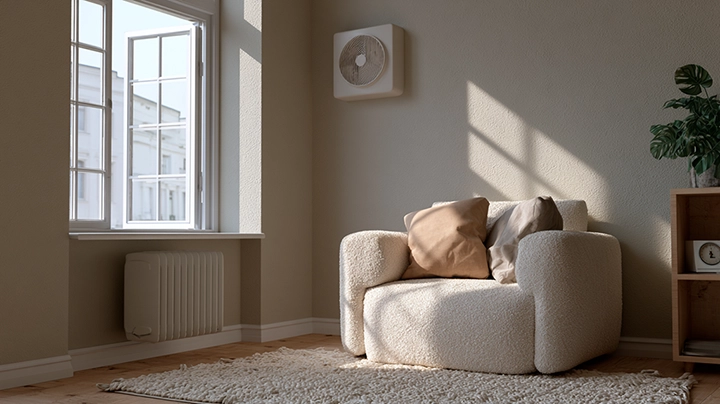
✅ Check your home’s airflow – Stagnant air creates pockets where mold can settle and grow. Open windows when conditions allow, use exhaust fans, and improve circulation in damp areas.
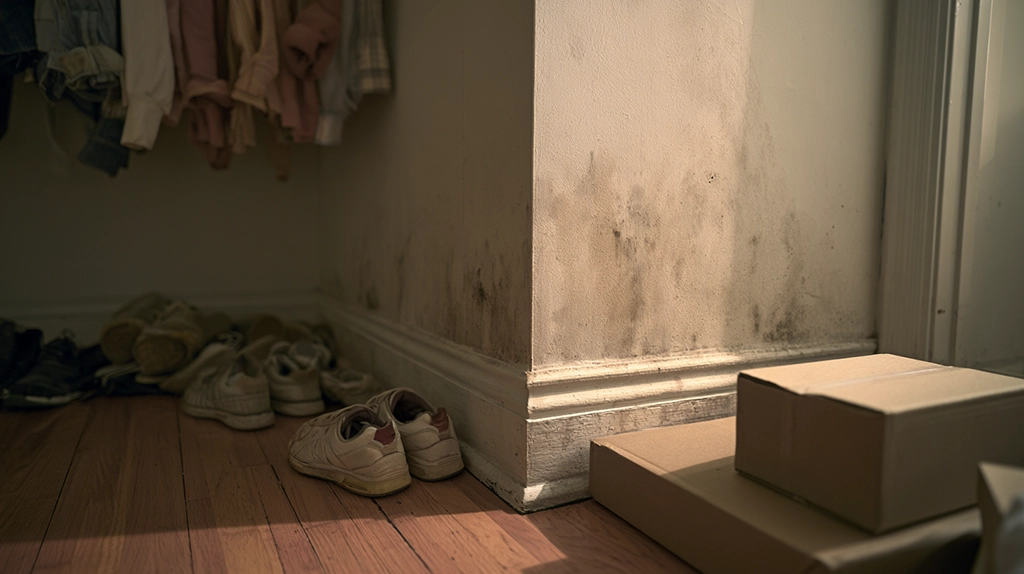
✅ Manage moisture before mold finds it first – Pay attention to condensation on windows, walls, and ceilings, and address leaks immediately.
✅ Monitor overlooked mold hotspots – Drains, humidifiers, and forgotten corners can harbor fungal growth. Regular cleaning keeps them from becoming hidden mold factories.
✅ Be mindful of what you bring indoors – Your clothes, shoes, and even skin carry outdoor spores inside. While this is unavoidable, keeping a clean, dry environment prevents spores from turning into colonies.
Mold is already in your home, but its ability to grow is in your hands. Take control of your environment now—or let fungi decide for you.

Source: Wikimedia Commons, CC BY-SA 3.0
References
- Adams, R. I., et al. (2013). The Diversity and Distribution of Fungi on Residential Surfaces. PLOS ONE, 8(11): e78866. Article
- Fungi – Wikipedia
- Mold – Wikipedia
- Cladosporium – Wikipedia
- Cryptococcus – Wikipedia
- Penicillium – Wikipedia
- Exophiala – Wikipedia
- Candida – Wikipedia
- Fusarium – Wikipedia
- Malassezia – Wikipedia
- Claviceps purpurea – Wikipedia
- Salem witch trials – Wikipedia
- Species distribution – Wikipedia
Image Sources:
- Indoor Mold on window frame – Wikimedia Commons (CC BY-SA 4.0)
- Moldy Shower – Black Mold Growth in Bathroom – Tony Webster (CC BY-SA 2.0)
- Malassezia spores under microscope – Wikimedia Commons (CC BY-SA 3.0)
- Fungal spores under microscope – Wikimedia Commons (CC BY-SA 4.0)
- Open window ventilation – Wikimedia Commons (CC BY-SA 4.0)
Key Takeaways
- The hidden mold hotspots most often found during professional home inspections include crawl spaces, attic insulation, subfloor materials, and interior window frame cavities.
- Fungi can establish colonies on surfaces in as little as 24–48 hours given adequate moisture, making rapid drying after any water intrusion event critically important.
- Mold inside HVAC ductwork is particularly hazardous because every time the system runs, it distributes spores throughout every room served by that duct network.
- Stopping mold in your home requires addressing relative humidity at the source—through ventilation, dehumidification, or eliminating moisture pathways—not just surface cleaning.
- Testing by a certified indoor environmental professional (CIEP) is recommended before and after mold remediation to verify successful removal and return to safe levels.
Frequently Asked Questions
Where do fungi thrive most in a typical home?
Fungi thrive wherever moisture and organic substrate coexist. In residential buildings, this includes: bathroom grout and caulk (persistently damp, organic soap residue); crawl spaces (high ground moisture, often poorly ventilated); attic spaces (condensation from house moisture exfiltrating through the ceiling plane, particularly in cold climates); the underside of roof sheathing (attic condensation); subfloor materials in bathrooms and kitchens adjacent to plumbing penetrations; inside exterior wall cavities where insulation has absorbed moisture from roof or window leaks; and HVAC systems, particularly air handler drain pans, cooling coils, and low-velocity duct sections where condensation or dust accumulates.
How quickly can mold grow after a water leak?
Under ideal conditions (sufficient moisture, available organic substrate, suitable temperature), most common indoor mold species can begin germination from spores within 24 hours of a moisture event, and visible surface growth becomes apparent within 24–48 hours. Full colony development producing abundant spores typically occurs within 3–7 days of initial moisture exposure. The 24–48 hour germination window is the basis for the widely cited restoration industry guideline that materials affected by water damage should be dried within 48 hours to prevent mold growth. This timeline assumes: ambient temperatures above 15°C (typical for heated homes); presence of mold spores (universal—spores are always present in indoor air); and sufficient surface moisture (typically surface water activity above 0.8 Aw). Very cold spaces or rapidly dried materials can prevent germination despite initial moisture exposure.
How do I know if my HVAC system has mold?
Indicators of HVAC mold contamination include: musty odour strongest when the system first starts (before dilution with room air); musty odour from specific supply vents that is absent at others (suggesting localised contamination in that duct branch); visible dark discolouration or fuzzy growth on supply registers, air handler cabinet interior, or accessible ductwork surfaces; elevated airborne mold counts in rooms served by the system (measured by air quality testing); and health symptoms (rhinitis, headaches, fatigue) that correlate with HVAC operation. Professional assessment involves: visual inspection of the air handler, coil, drain pan, and accessible ductwork; air quality testing before and after system operation; and potentially videoscopic duct inspection for systems with long duct runs or inaccessible sections.
What humidity level prevents mold growth in a home?
The EPA and ASHRAE both recommend maintaining indoor relative humidity between 30–50% to prevent mold growth while maintaining occupant comfort. At RH below 50%, most common indoor mold species have insufficient moisture for growth on typical building materials—though some xerophilic (moisture-tolerant) species can grow at somewhat lower RH. At RH above 60%, mold growth risk increases substantially; above 70%, rapid mold establishment occurs on virtually all organic surfaces. Practically, maintaining indoor RH below 50–55% year-round requires: running bath and kitchen exhaust fans during and 15 minutes after activities that generate steam; ensuring clothes dryers vent to the exterior; using a dehumidifier in basements or crawl spaces that maintain higher humidity; and maintaining adequate whole-house ventilation. A digital hygrometer (available for under $20) placed in the most humid rooms provides ongoing confirmation that humidity control strategies are working.
When should I hire a professional for mold issues versus handling it myself?
EPA guidelines recommend professional remediation when: the affected area exceeds 10 square feet (roughly 1 m²) of visible mold; the mold is inside HVAC systems; the mold follows sewage contamination (black water) or sustained flooding; the building occupant has respiratory disease, immunocompromise, or significant mold allergy; or when the mold source has not been definitively identified (meaning it will return if not corrected). For smaller areas on non-porous surfaces (tiles, painted drywall with surface mold only), careful DIY remediation with N95 respirator, eye protection, gloves, and appropriate cleaning agents is generally considered acceptable. Key principles even for small DIY remediations: identify and correct the moisture source; use containment to prevent spore spread to other areas; bag and remove mold-contaminated materials without disturbing them; and verify the space is dry before repainting or enclosing.