
According to MSN
Researchers have demonstrated a novel way to address one of the construction industry’s most persistent waste problems: discarded mattresses. By using fungi to transform old mattress materials into building insulation, scientists are proposing a circular, low-impact alternative to conventional insulation products, while simultaneously reducing landfill waste and carbon emissions.
The development comes as global waste streams continue to grow and the building sector faces pressure to reduce its environmental footprint. Mattresses are notoriously difficult to recycle due to their composite structure, often ending up in landfills or being incinerated. The new fungal-based process offers a biological solution to this long-standing challenge.

Source: Wikimedia Commons – Image Page, CC BY-SA 4.0
The Mattress Waste Problem
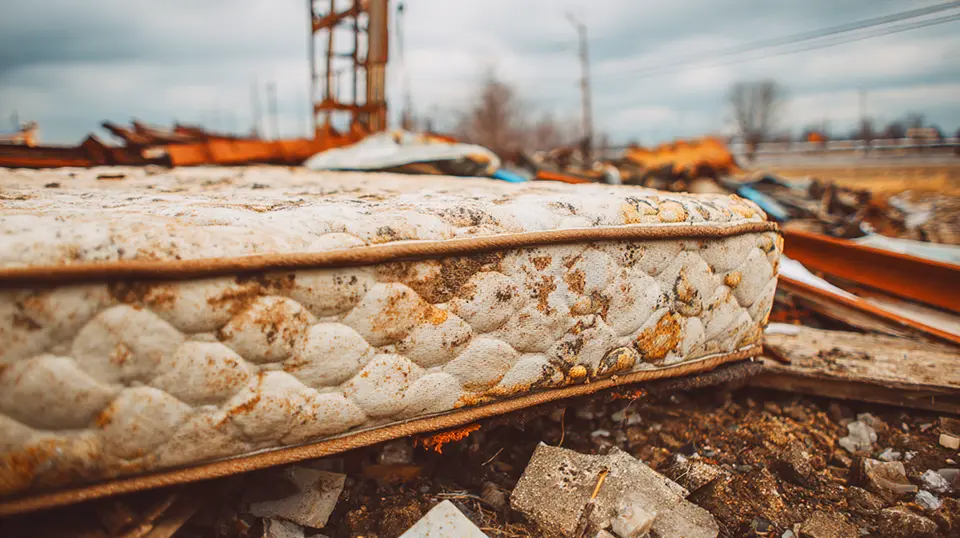
Millions of mattresses are discarded each year worldwide. Their bulky size, mixed materials, and complex construction make them expensive and inefficient to recycle using traditional mechanical methods. As a result, large volumes of mattress waste occupy landfill space, where materials can take decades to break down.
Foams, fabrics, and synthetic fibers used in mattresses also carry a significant environmental cost when produced from virgin materials. Reducing this waste stream has become a priority for municipalities and sustainability researchers alike.

Source: Wikimedia Commons – Image Page, CC BY-SA 3.0
How Fungi Provide an Alternative
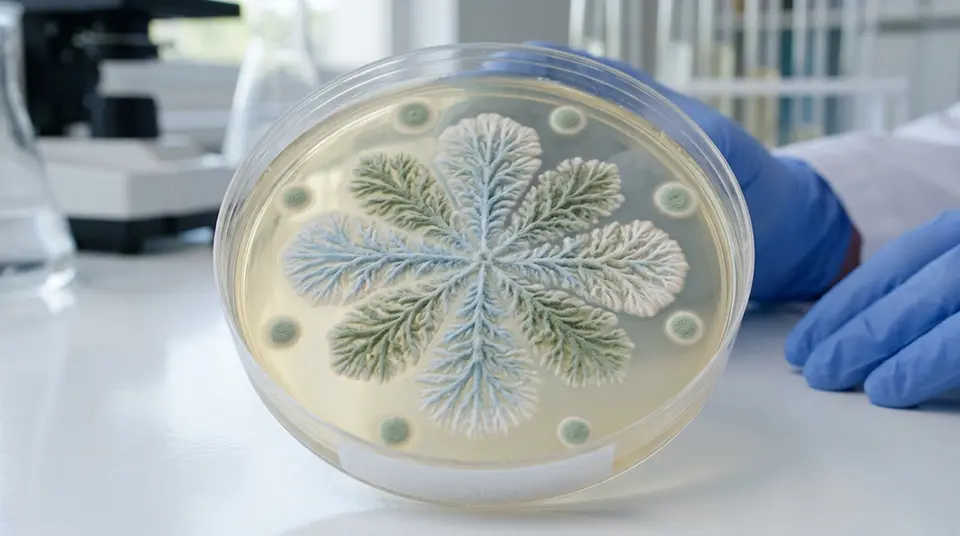
The research centers on mycelium—the root-like network of fungi that grows through organic material. When introduced to suitable substrates, mycelium binds particles together, forming lightweight but structurally stable composites.
In this process, shredded mattress components serve as the growth medium for selected fungal species. As the mycelium grows, it digests portions of the waste and weaves the remaining fibers into a cohesive material. Once growth is complete, the material is dried or heat-treated to stop further fungal activity, resulting in a solid, inert product.
The outcome is an insulation panel that can be shaped and sized for use in walls, ceilings, or floors.
Performance as Building Insulation
According to researchers, the fungal-grown insulation demonstrates promising thermal insulation and acoustic insulation properties. Its porous structure helps trap air, reducing heat transfer, while also dampening sound. These characteristics are comparable to some conventional insulation materials used in construction today.
In addition to performance, mycelium-based insulation offers advantages in fire resistance and moisture regulation. Some fungal composites naturally char rather than burn, and their structure can help manage humidity by absorbing and releasing moisture without degrading.

Source: Wikimedia Commons – Image Page, CC BY-SA 4.0
Environmental Benefits
The environmental appeal of the material lies in both its inputs and its production process. By reusing mattress waste, the approach diverts bulky items from landfill and reduces the demand for new raw materials. The fungal growth itself occurs at low temperatures and requires minimal energy compared with manufacturing traditional insulation products such as fiberglass or foam.
Researchers also point out that mycelium composites are biodegradable at the end of their life cycle, offering a clear advantage over petroleum-based insulation materials that persist in the environment.
Addressing Safety and Durability
A key concern in fungal-based materials is safety. The researchers emphasize that the final insulation product does not contain living fungi. The heat treatment used during production kills the mycelium, ensuring the material is stable and does not release spores during use.
Durability testing suggests that the insulation can withstand typical indoor conditions without breaking down or promoting unwanted microbial growth. This addresses a common misconception that fungal materials might introduce mould risks into buildings.
Applications in Sustainable Construction
The study positions fungal insulation as particularly suited to sustainable construction and low-carbon building projects. As building regulations increasingly emphasize energy efficiency and reduced embodied carbon, alternative materials such as mycelium composites are gaining interest from architects and developers.
Because the production process can be localized, there is also potential to reduce transportation emissions. Mattress waste generated in urban areas could be processed nearby, creating regional circular economies around construction materials.
Economic and Scaling Challenges
Despite its promise, researchers acknowledge that scaling up production remains a challenge. Establishing consistent supply chains for waste mattresses, ensuring uniform material quality, and meeting building certification standards will require further development.
However, interest from the construction and waste management sectors suggests growing momentum. As landfill costs rise and sustainability targets tighten, economic incentives for adopting fungal-based materials may increase.
A Broader Shift Toward Bio-Based Materials
The mattress insulation project reflects a wider shift toward bio-based materials in construction. Fungi, algae, and plant fibers are increasingly being explored as alternatives to energy-intensive, fossil-derived products.
By demonstrating that waste materials can serve as feedstock for high-value building components, the research contributes to a rethinking of waste as a resource rather than a liability.
Implications for Waste Policy and Design
If adopted at scale, fungal insulation could influence how mattresses are designed in the future. Products optimized for biological recycling could simplify processing and improve material recovery rates.
Policy makers may also see potential in supporting such technologies through waste reduction incentives, green building standards, or research funding aimed at circular economy solutions.
Conclusion
The use of fungi to convert old mattresses into building insulation illustrates how biological processes can address multiple environmental challenges at once. By diverting waste from landfills, reducing reliance on energy-intensive materials, and producing effective insulation, the approach offers a glimpse into a more sustainable construction industry.
While further testing and scaling are needed, the research demonstrates that fungi are not only decomposers in nature, but also powerful partners in designing the materials of the future.
References
International Energy Agency – Energy Efficiency in Buildings
IPCC – Buildings and Climate Change
According to MSN
Key Takeaways
- Researchers have demonstrated a novel way to address one of the construction industry’s most persistent waste problems: discarded mattresses.
- Mattresses are notoriously difficult to recycle due to their composite structure, often ending up in landfills or being incinerated.
- Their bulky size, mixed materials, and complex construction make them expensive and inefficient to recycle using traditional mechanical methods.
- Reducing this waste stream has become a priority for municipalities and sustainability researchers alike.
- In this process, shredded mattress components serve as the growth medium for selected fungal species.
Frequently Asked Questions
What should you know about the Mattress Waste Problem?
Millions of mattresses are discarded each year worldwide. Their bulky size, mixed materials, and complex construction make them expensive and inefficient to recycle using traditional mechanical methods. As a result, large volumes of mattress waste occupy landfill space, where materials can take deca
How Fungi Provide an Alternative?
The research centers on mycelium—the root-like network of fungi that grows through organic material. When introduced to suitable substrates, mycelium binds particles together, forming lightweight but structurally stable composites.
What should you know about performance as Building Insulation?
According to researchers, the fungal-grown insulation demonstrates promising thermal insulation and acoustic insulation properties. Its porous structure helps trap air, reducing heat transfer, while also dampening sound. These characteristics are comparable to some conventional insulation materials
What should you know about environmental Benefits?
The environmental appeal of the material lies in both its inputs and its production process. By reusing mattress waste, the approach diverts bulky items from landfill and reduces the demand for new raw materials. The fungal growth itself occurs at low temperatures and requires minimal energy compare
What should you know about addressing Safety and Durability?
A key concern in fungal-based materials is safety. The researchers emphasize that the final insulation product does not contain living fungi. The heat treatment used during production kills the mycelium, ensuring the material is stable and does not release spores during use.