During Ramadhan, Kitchens Come Alive
From early morning suhoor to evening iftar, families prepare meals that are comforting, nourishing, and full of meaning. But behind the delicious dishes and shared traditions, something unexpected is working quietly in the background: mold.
Yes, mold. It might sound alarming, but during Ramadhan, it actually helps create some of the most beloved fermented foods on the table.
While the world fasts, mold keeps working—fermenting, preserving, and transforming simple ingredients into flavorful staples.

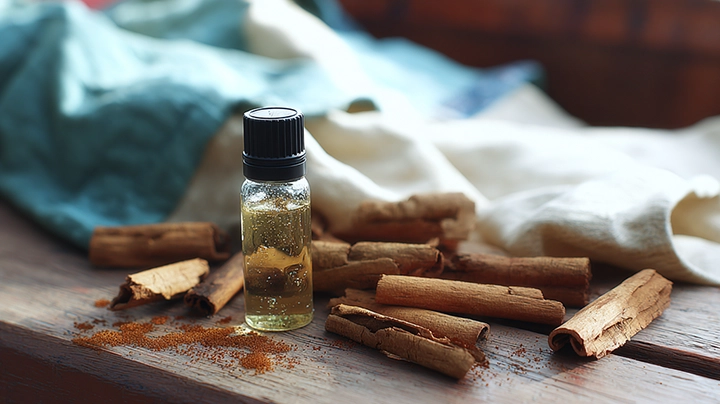
Source: Wikimedia Commons, CC BY-SA 4.0
Why Mold Shows Up in Ramadhan Kitchens
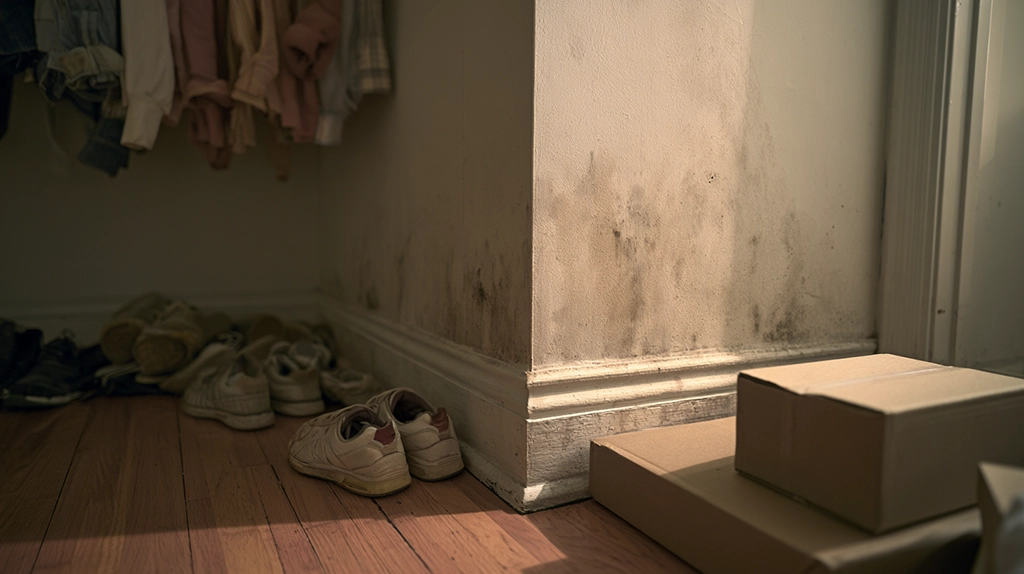
Mold is everywhere—it floats in the air and settles on surfaces. It grows best in warm, moist environments—just like many kitchens during Ramadhan.
Meals are often prepared ahead, stored in sealed containers, or left to cool slowly. These conditions can encourage mold growth.
But here’s the twist: not all mold is bad.

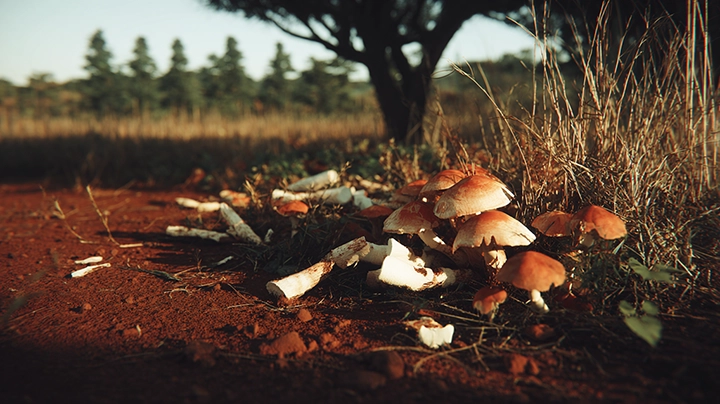
Source: Wikimedia Commons, CC BY-SA 4.0
Mold’s Secret Role in Favorite Fermented Foods
Some of the most popular Ramadhan dishes are made with the help of mold and fermentation:
- In Egypt, laban (a fermented yogurt drink) refreshes suhoor.
- In Malaysia, tapai—a sweet fermented rice dessert—is a classic.
- In Indonesia, tempeh (a Rhizopus oligosporus-fermented soybean cake) adds protein to iftar.
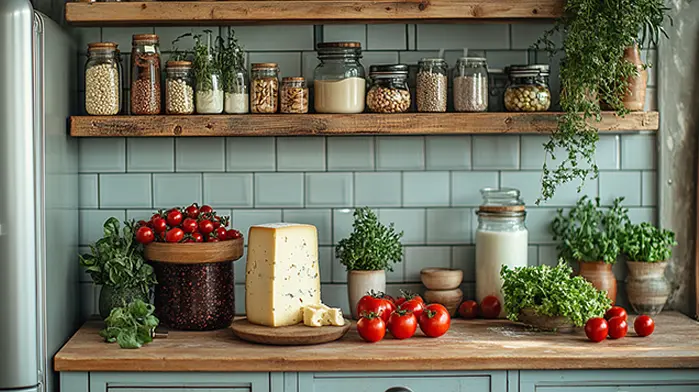
- In the Levant, aged cheeses and pickled torshi complete the table.
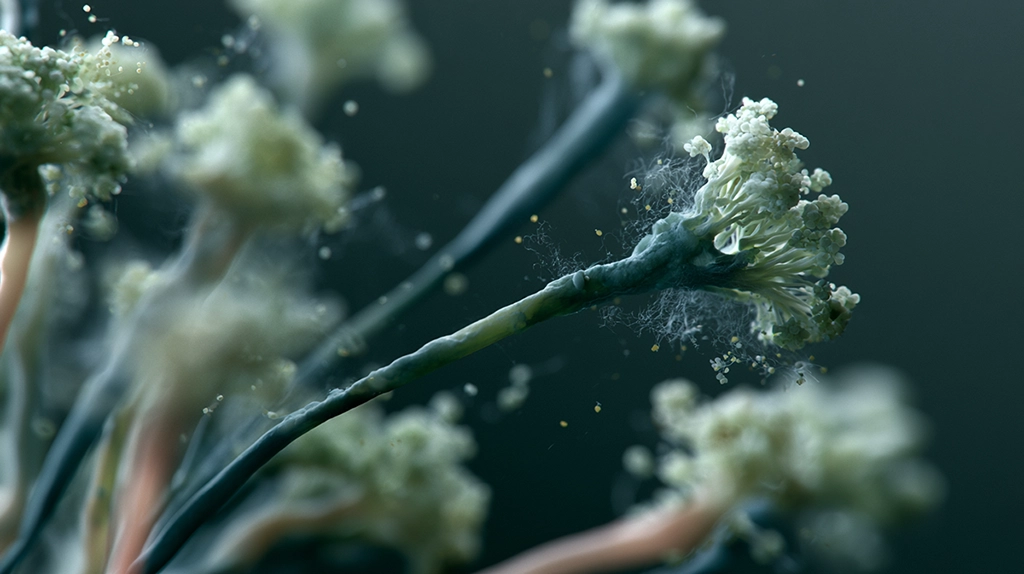
These foods rely on friendly molds such as Aspergillus oryzae and Rhizopus oligosporus. These beneficial fungi break down food, make it easier to digest, and extend shelf life.
Without them, many Ramadhan textures and tastes wouldn’t exist.
But fermentation needs care. If temperatures rise or storage gets too tight, harmful molds like Aspergillus flavus and Penicillium verrucosum can appear. These species produce aflatoxins and ochratoxins, toxic compounds that are invisible but harmful.
That’s why safe storage and fermentation practices matter—especially when meals are made in large batches and shared widely.
Before Fridges, There Was Fermentation
Long before refrigeration, fermentation was preservation.
- In 7th-century Arabia, laban preserved milk under desert heat.
- In Malay homes, tapai was prepared in advance and stored for weeks.
- In the Levant, salty cheeses and pickles ensured flavor and nutrition throughout Ramadhan.
Women learned to ferment by observation—using their senses to tell good mold from bad.
Mold wasn’t a mistake; it was tradition.
Today, however, modern kitchens use sealed plastic containers and packed refrigerators. These changes can sometimes make it easier for the wrong mold to thrive.
Knowing the difference between safe and unsafe mold starts with understanding proper fermentation.

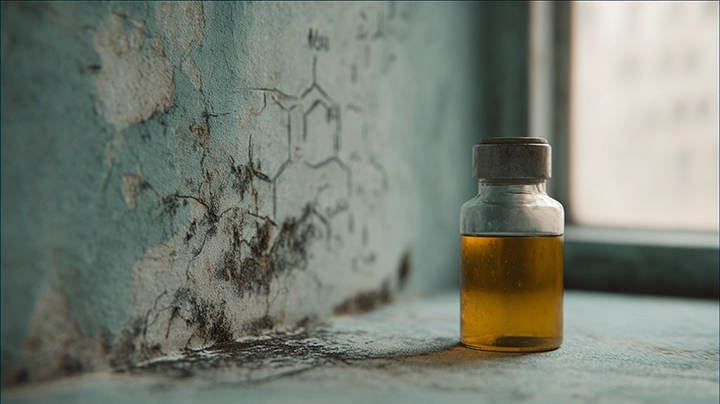
Source: Wikimedia Commons, CC BY-SA 4.0
Fermentation Is a Global Tradition
Fermented foods unite cultures across continents:
- Kimchi in Korea
- Miso in Japan
- Injera in Ethiopia
- Blue cheese in France
Each relies on microbes to transform raw ingredients into something better.
Fermentation helps:
✅ Preserve food naturally
✅ Improve digestion and gut health
✅ Create bold, regional flavors
✅ Strengthen cultural identity
Long before “probiotics” became a buzzword, these foods were already supporting healthy microbiomes.
Ramadhan’s fermented staples are part of this global microbial heritage—bridging tradition, nutrition, and faith.

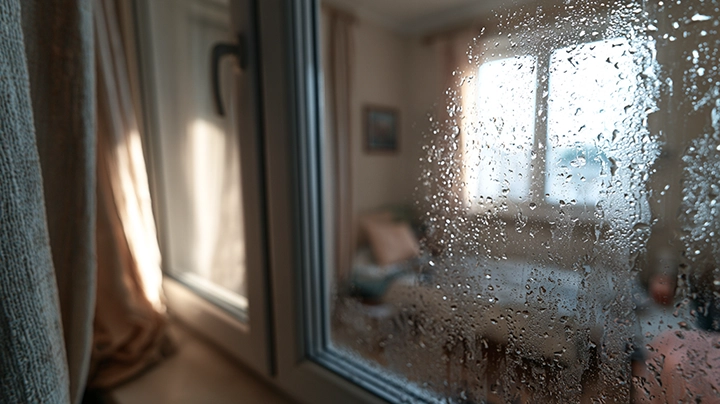
Source: Wikimedia Commons, CC BY-SA 4.0
Why It Matters
Mold has shaped how we eat—it preserves, enhances, and connects us to history.
But not all mold is helpful.
During Ramadhan, when meal prep increases and food sits longer, the risk of contamination rises.
Fasting can also make digestion more sensitive and immunity lower—making safe food handling crucial.
The goal isn’t to fear mold, but to work with it wisely, as generations before us did.

Source: Wikimedia Commons, CC BY-SA 4.0
Let’s Keep Fermented Foods Safe
This Ramadhan, honor both science and tradition:
Don’t seal hot foods—let them cool first.
Store fermented items in breathable, clean containers.
Keep foods cool and dry whenever possible.
Watch for fuzzy textures, off smells, or unusual colors.
Trust your senses and your knowledge.
Fermentation is a quiet partnership between humans and nature—one that has nourished families through centuries of fasting and celebration.
With care and respect for these living foods, it will continue to do so for many Ramadhans to come.
References
Global Scientific & Health Sources
- World Health Organization (WHO): Mycotoxins Fact Sheet
- Food and Agriculture Organization (FAO): Food Safety & Fermentation
- European Food Safety Authority (EFSA): Mycotoxin Risks
- Codex Alimentarius: Safe Fermentation Guidelines
- Centers for Disease Control and Prevention (CDC): Mold FAQs
- National Center for Biotechnology Information (NCBI): Beneficial Microbes in Traditional Fermentation
Images (CC BY / CC0)
- Ramadhan iftar family dinner (CC BY-SA 4.0)
- Condensation on window (CC BY-SA 4.0)
- Fermentation in clay pots (CC BY-SA 4.0)
- Fermented foods collage (CC BY-SA 4.0)
- Tapai making in Malaysia (CC BY-SA 4.0)
Key Takeaways
- Traditional fermented foods central to Ramadan feasting—including dates, fermented milk products, legume-based dishes, and pickled vegetables—rely on fungal and yeast activity for their preservation, flavour, and nutritional enhancement.
- Mold plays a positive role in many traditional Ramadan foods: Aspergillus oryzae (koji) is used in some fermented condiments; yeasts ferment fruit-based drinks; and lactic acid bacteria alongside fungi co-ferment grain dishes.
- Conversely, hot and humid climate conditions during iftar preparation create elevated risk of harmful mold contamination on fresh dates, bread, and cooked dishes left at room temperature.
- Islamic dietary laws (halal) have implications for fermentation: specifically cultivated mold-fermented foods are generally considered halal if the fermentation process itself is clean and alcohol content remains negligible.
- Awareness of safe food handling practices during Ramadan is particularly important given the large quantity and variety of food prepared and shared during communal iftar and suhoor gatherings.
Frequently Asked Questions
Which fermented foods are traditionally part of Ramadan cuisine, and what fungi are involved?
Ramadan cuisine varies significantly across cultures but commonly includes several fermented or mold-involved foods. Dates—the traditional food for breaking the fast—are naturally rich in yeasts on their surface; dried dates undergo mild surface fermentation during storage. Kishk (a fermented wheat and yogurt product common across the Middle East and North Africa) involves LAB and yeast fermentation. Injera (Ethiopian flatbread served at communal iftars in the Horn of Africa diaspora) uses teff flour fermented by LAB and wild yeasts including Candida species. In Southeast Asia, tempeh (made with Rhizopus oligosporus, a Mucor relative) is a common iftar protein source. Iranian and Turkish dairy ferments (doogh, kefir) involve yeast-LAB co-cultures.
How can harmful mold contaminate Ramadan food preparations?
Several characteristics of Ramadan food culture create elevated mold risk. Large-batch preparation of dishes that are then held at room temperature before and during iftar provides time for mold growth, particularly in hot climates. Dates, while traditionally preserved by their high sugar content, can develop mold if moisture compromises the sugar concentration (particularly in split, semi-dried, or processed dates). Communal dishes served over extended periods at buffet temperature can develop surface mold. Bread and pastries prepared in advance can mold within 24–48 hours in humid conditions. Left-over cooked dishes with high protein and moisture content (stews, rice dishes) are particularly susceptible when ambient temperatures are high.
Are fermented foods made with Aspergillus mold halal?
The halal status of fermented foods involving Aspergillus mold (such as koji-fermented condiments) depends on the nature of the fermentation process and its outputs. Islamic scholars generally consider mold-fermented foods permissible if: the Aspergillus or other mold strain is not derived from haram (prohibited) sources; the fermentation does not produce intoxicating levels of alcohol; the final product does not contain haram ingredients; and the manufacturing process meets general cleanliness requirements. Soy sauce (which in some traditional forms uses Aspergillus and wheat fermentation) has been a subject of scholarly debate regarding residual alcohol content; low-alcohol or specifically halal-certified varieties are widely available. Standard mold-ripened fermented foods consumed across Muslim-majority countries for centuries are generally considered permissible.
What are the most important food safety precautions during Ramadan?
Key food safety practices for Ramadan food preparation include: preparing hot foods shortly before serving rather than hours in advance; keeping hot foods above 60°C and cold foods below 4°C if they cannot be consumed immediately; not leaving cooked dishes at room temperature for more than 2 hours (1 hour if ambient temperature exceeds 32°C); checking dates and fresh produce carefully for visible mold before serving; refrigerating iftar leftovers promptly; ensuring adequate cooking of meat and poultry—the high-speed preparation typical of large iftar gatherings can lead to inadequate cooking times; and being particularly attentive to food that will be consumed at suhoor (pre-dawn meal) if prepared the night before.
Can I eat dates that have mold on the outside?
Dates have naturally high sugar content (50–80% by weight in dried dates) which normally prevents mold growth. Visible mold on dates typically indicates that moisture has reduced the sugar concentration at the surface below the growth-inhibiting threshold—either through exposure to humidity, improper drying, or damage to the date skin. The USDA and food safety authorities recommend discarding moldy dates entirely rather than cutting away the affected area, because dates have a soft, moist texture that allows mycotoxin penetration throughout the flesh even when only surface mold is visible. The risk is low if only a very small surface area is affected on otherwise firm, dry dates, but when in doubt, discard. Store dates in airtight containers in a cool, dry environment to prevent mold.