The Silent Battle in Our Fields
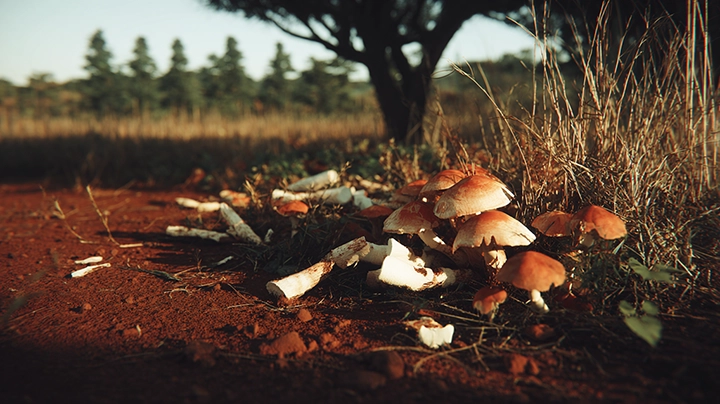
You may not see it, but a quiet war is happening on our farms. Every year, fungal infections wipe out nearly a quarter of the world’s food supply【FAO】, leaving farmers struggling and millions at risk of hunger.
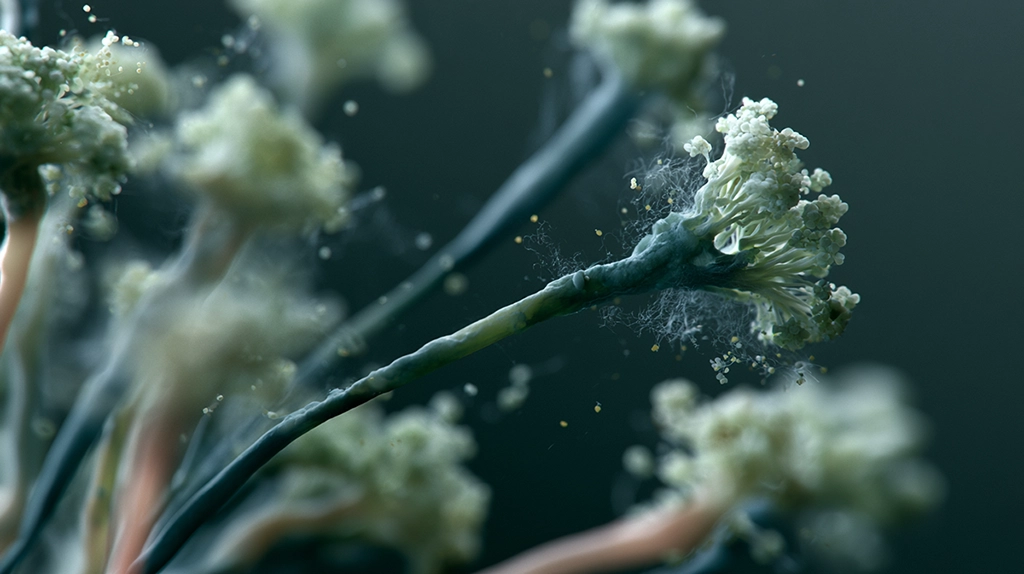
These plant-killing fungi don’t just attack crops—they hijack them from the inside, manipulating their defenses until they collapse.
One of the worst offenders, rice blast disease, destroys enough food to feed 60 million people annually【IRRI】. Yet, despite the devastation, fungal threats remain largely ignored in global conversations about food security.
Chemical fungicides, once the go-to solution, are losing effectiveness against nature’s most persistent invaders. But there’s good news—scientists have finally uncovered how fungi trick plants into self-destruction, and this breakthrough may change the future of agriculture.

Source: Wikimedia Commons, CC BY-SA 3.0
The Fungal Deception: How Crops Are Tricked into Their Own Demise
Research collaborations from The Australian National University, Germany, and the U.S. have identified the secret weapon fungi use to invade plants: an enzyme called NUDIX hydrolase.
This enzyme acts like a hacker breaking into a computer system, manipulating a plant’s internal defenses until it can no longer fight back. The fungi don’t need brute force to invade—they convince the plant to let them in.
Here’s how it works:
Imagine this: You plant a beautiful garden, and everything looks healthy. But one day, your plants start wilting, even though you’re watering them just right. Something invisible is at work—something sneaky. That’s exactly what happens to crops when fungi attack.
Scientists have discovered that these fungi don’t just invade plants; they trick them into letting down their defenses. It’s like a smooth-talking intruder convincing you to leave your front door wide open.
Once inside, the fungus manipulates the plant’s survival instincts, making it think it’s starving. Instead of fighting back, the plant focuses on trying to “save itself,” all while the fungus quietly spreads and takes over.
This discovery is a game-changer because scientists now know exactly how fungi pull off this deception. Even better? They’re figuring out how to stop it before it even starts. That means stronger crops, healthier harvests, and fewer food shortages in the future.

Source: Wikimedia Commons, CC BY-SA 3.0
The Breakthrough That Could Change Farming Forever
Scientists are now using what they’ve learned to help crops fight back in a smarter, more natural way. Instead of relying on chemical sprays that lose effectiveness over time, they’re finding ways to make plants more resilient on their own.
One exciting solution is teaching crops to recognize fungal threats before they take hold. Think of it like a built-in alarm system—when the plant senses danger, it strengthens its defenses right away, stopping the fungus before it spreads.
Another promising approach is a natural “off switch” for fungal infections. If fungi do manage to sneak in, this method would cut off their ability to control the plant, keeping them from spreading and causing destruction.
And the best part? This breakthrough isn’t just for rice. Scientists believe they can use these same techniques to protect other important crops, like corn, melons, chickpeas, and fruit trees.
That means healthier harvests, fewer losses for farmers, and more food security for everyone.
Why This Breakthrough Matters—And How It Affects Your Everyday Life
Climate change is making fungal infections worse. Warmer temperatures and increased humidity create the perfect conditions for fungal outbreaks, pushing global agriculture to its limits.
Farmers are already struggling with extreme weather, water shortages, and rising costs—they can’t afford another widespread fungal crisis.
Without action, we face billions in crop losses, rising food prices, and more communities going hungry. But this discovery changes everything. It offers a real chance to neutralize fungal pathogens before they destroy harvests.
The only question is whether the world will act fast enough to make this technology a reality.
Final Thought: The Time to Act is Now
For too long, fungal diseases have been an overlooked threat to our food supply. But now, the science is here, and the solution is within reach.
Scientists have exposed the fungi’s weakness—now it’s up to governments, biotech firms, and farmers to invest in this research and turn it into real-world solutions.
If we act now, we can protect our crops, strengthen global food security, and prevent the next agricultural crisis before it begins.
The future of farming depends on it.
Food security isn’t just about growing more—it’s about protecting what we already have.

Source: Wikimedia Commons, CC BY-SA 4.0
References
- FAO – Food Loss and Waste
- IRRI – Rice Blast Disease
- WHO – Food Safety & Security
- ANU – Plant Pathogen Research
- NUDIX Hydrolase study – Journal of Biological Chemistry (2021) Link
- IPCC – Climate Change Reports
- Wikimedia Commons images:
- Rice blast disease (CC BY-SA 3.0)
- Magnaporthe oryzae (CC BY-SA 3.0)
- Rice farmer (CC BY-SA 4.0)
- Chart: Generated by AI based on FAO data
Key Takeaways
- Food supply chains face continuous fungal warfare: crops are attacked by field pathogens, post-harvest storage losses are dominated by mold contamination, and mycotoxins—invisible toxic byproducts—persist through processing into final food products.
- The ‘Big Four’ food crop fungal pathogens—Fusarium, Aspergillus, Botrytis, and Rhizopus/Mucor—collectively account for an estimated $100 billion in annual food losses globally.
- Mycotoxin contamination particularly threatens food safety in developing countries where monitoring infrastructure is limited; an estimated 25% of global food crops are contaminated with detectable mycotoxins.
- Integrated disease management (IDM) combining resistant varieties, precision agrochemicals, biocontrol agents, and post-harvest technology is more effective than any single intervention.
- Climate change is shifting the geographic range and seasonal timing of key mycotoxin-producing fungi, requiring rapid adaptation of risk monitoring and management systems.
Frequently Asked Questions
What are the major fungal diseases affecting global food supply?
The most economically significant fungal diseases threatening food security include: Fusarium head blight (scab) of wheat and barley—causes DON contamination and grain shrivelling; blast diseases caused by Magnaporthe oryzae, threatening rice (the staple crop of half of humanity); Botrytis gray mold on fruits and vegetables—world’s second most economically significant plant pathogen after Fusarium; Aspergillus and Fusarium contamination of maize, peanuts, and tree nuts (aflatoxins, fumonisins); Phytophthora infestans causing late blight of potato and tomato; black Sigatoka (Pseudocercospora fijiensis) threatening banana production; and coffee leaf rust (Hemileia vastatrix) devastating coffee production in Central America and Africa.
How do mycotoxins get from field fungi to the food on my plate?
Mycotoxin contamination of food follows several pathways from field to table. Primary contamination occurs in the field when crops are infected by toxin-producing fungi during vulnerable growth stages. Mycotoxins are chemically stable organic molecules that resist most food processing conditions—they survive drying, milling, heating (most mycotoxins are stable up to 150–200°C), and fermentation. When contaminated grain is milled into flour, mycotoxins are distributed throughout the flour. When used in processed foods (breakfast cereals, pasta, beer, corn snacks), the mycotoxins carry through. In dairy farming, aflatoxin B1 consumed by dairy cows is metabolised to aflatoxin M1, which appears in milk at approximately 1–6% of the dose consumed—hence why aflatoxin contamination of animal feed has implications for dairy food safety.
How effective are current fungicide programmes for food crop protection?
Fungicide programmes provide important crop protection but face increasing efficacy challenges. SDHI fungicides (e.g., boscalid, fluxapyroxad) and DMI fungicides (e.g., tebuconazole, propiconazole) are the primary active classes for cereal disease control, typically achieving 40–80% disease reduction when applied at optimal timing. However, resistance to both classes is now documented globally in Fusarium graminearum and Zymoseptoria tritici populations. Efficacy also depends critically on application timing relative to infection periods, which requires weather-based disease forecasting models. In humid conditions with high disease pressure, even optimal fungicide programmes may be inadequate, highlighting the need for complementary resistance breeding and biocontrol components in integrated management.
What is the state of resistant crop variety development for fungal diseases?
Genetic resistance breeding remains the most sustainable and cost-effective approach to fungal disease management. Significant advances have been made in: wheat Fusarium head blight resistance (multiple quantitative resistance QTL have been identified and deployed, particularly Fhb1 from Chinese varieties); barley net blotch and scald resistance; rice blast resistance (Pi gene pyramiding strategies); and in cereals generally through genomic selection. However, resistance breeding faces the challenge of fungal pathogen evolution: major resistance genes are often overcome within 5–15 years of deployment as pathogen populations adapt. Durable polygenic (quantitative) resistance is more stable but takes longer to breed and typically confers lower individual resistance levels.
How is climate change altering fungal threats to food production?
Climate projections consistently indicate that fungal disease patterns for most major crops will change significantly by mid-century. Warmer winters in temperate cereal production zones are increasing overwinter survival of fungal inoculum. Changes in rainfall distribution alter the infection-risk windows for splash-dispersed pathogens. Drought stress in arid and semi-arid regions increases aflatoxin risk in maize and peanuts (stress pre-disposes crops to Aspergillus infection). Range expansions of previously region-limited pathogens—such as aflatoxin-producing Aspergillus species expanding into previously cool European maize-growing regions—are occurring. These changes require accelerated development of new resistant varieties, updated fungicide timing models based on revised climate norms, and enhanced mycotoxin monitoring systems in newly affected regions.