
According to BFR
A Closer Look at Contamination Pathways
A recent notification by the German Federal Institute for Risk Assessment (BfR) examines how mold toxins present in cattle feed can transfer into milk, raising important questions about food safety and exposure risks. The report focuses on mycotoxins—toxic compounds produced by certain molds—and their movement through the food chain from feed to dairy products.
While contamination at the agricultural level is not always visible, its implications extend to consumer health, making monitoring and control essential within dairy production systems.

Understanding Mycotoxins in Animal Feed
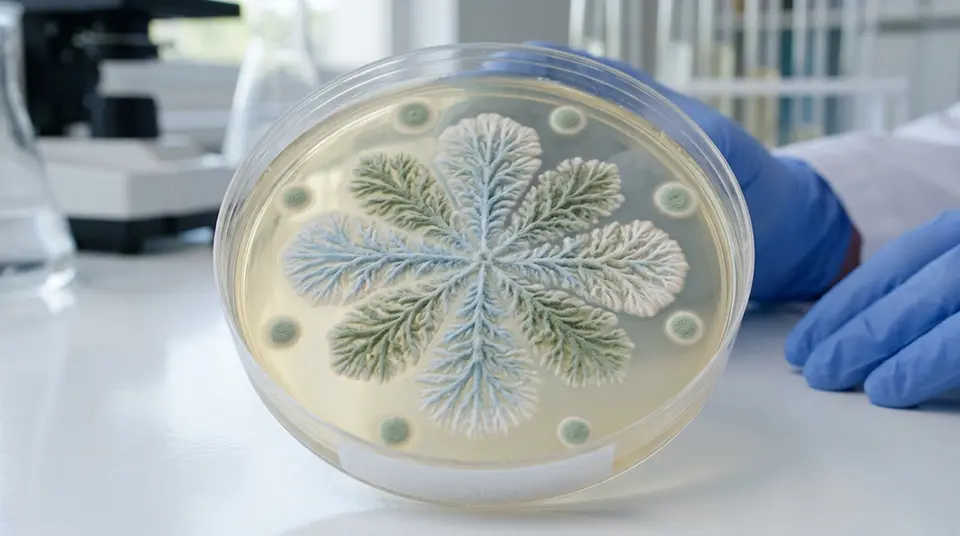
Mycotoxins are produced by specific fungal species that grow on crops such as maize, wheat, and other feed materials. When these crops are exposed to moisture, temperature fluctuations, or poor storage conditions, mold growth can occur, leading to toxin formation.
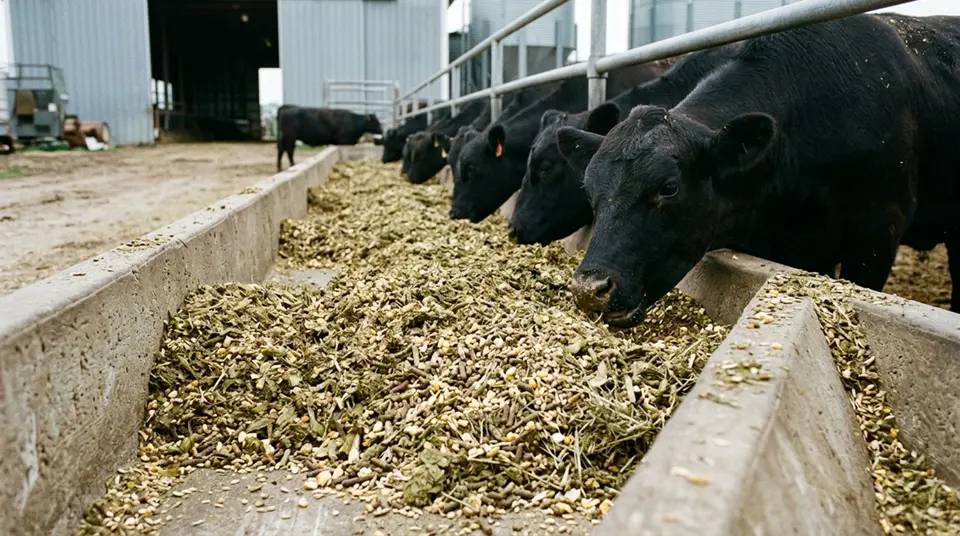
Cattle consuming contaminated feed may ingest these toxins, which are then metabolized within the animal’s body. Some of these compounds can pass into milk, creating a pathway from agricultural contamination to human consumption.
Among the most studied mycotoxins in this context are aflatoxins, particularly aflatoxin B1, which can be converted into aflatoxin M1 in milk.
Transfer Mechanisms from Feed to Milk
The report highlights that the transfer of mycotoxins is not absolute but depends on several factors, including the level of contamination in the feed, the animal’s metabolism, and feeding practices.
When cows ingest contaminated feed, aflatoxin B1 is processed in the liver and partially transformed into aflatoxin M1, which can then be excreted into milk. The proportion transferred is relatively small but still significant from a food safety perspective.
Even low levels of contamination can accumulate across production systems, making continuous monitoring necessary.
Health Implications for Consumers
Aflatoxins are known for their potential health risks, particularly with long-term exposure. Although regulatory systems aim to keep contamination levels within safe limits, the presence of mycotoxins in milk remains a concern due to their toxic properties.
Health authorities emphasize that exposure through dairy products is typically low when regulations are followed. However, vulnerable populations, such as infants and children, may be more sensitive to even small amounts of contaminants.
Ensuring that toxin levels remain below established thresholds is therefore critical in protecting public health.

Monitoring and Regulatory Controls
Food safety systems in many regions include strict limits on allowable mycotoxin levels in both animal feed and milk. Regular testing and quality control measures are used to detect contamination early and prevent affected products from entering the market.
The report underscores the importance of these systems in minimizing risk. By controlling contamination at the feed level, producers can reduce the likelihood of toxin transfer into milk.
This preventive approach is more effective than attempting to address contamination at later stages in the supply chain.
Agricultural Practices and Risk Reduction
Managing mycotoxin risk begins with agricultural practices. Proper harvesting, drying, and storage of feed crops are essential to prevent mold growth. Maintaining low moisture levels and protecting feed from environmental exposure can significantly reduce contamination.
Farm management practices, including feed selection and monitoring, also play a role. By identifying and removing contaminated feed sources, farmers can limit the exposure of cattle to mycotoxins.
These measures contribute to overall food safety and support the integrity of dairy production systems.
Challenges in Detection and Control
Detecting mycotoxins presents challenges due to their often invisible nature. Unlike visible mold, toxins can remain present even after fungal growth is no longer apparent.
This makes laboratory testing a critical component of monitoring. Advanced analytical methods are used to measure toxin levels accurately, ensuring compliance with safety standards.
Despite these tools, variability in environmental conditions and supply chains can complicate efforts to maintain consistent control.

A Broader Food Chain Perspective
The movement of mycotoxins from feed to milk illustrates the interconnected nature of food systems. Contamination at one stage can influence multiple downstream products, highlighting the need for integrated risk management.
This perspective emphasizes the importance of coordination between agricultural producers, regulators, and food manufacturers in maintaining safety across the entire supply chain.
Ensuring Consumer Confidence
Maintaining low levels of mycotoxins in milk is essential not only for health protection but also for consumer confidence. Transparent monitoring and effective regulation help ensure that dairy products meet safety expectations.
Ongoing research continues to refine understanding of toxin transfer and improve methods for prevention and detection.
A Preventive Approach to Food Safety
The findings reinforce the importance of prevention in managing food safety risks. By addressing contamination at its source—within animal feed—producers can significantly reduce the likelihood of toxins entering the food chain.
This proactive approach reflects broader trends in food safety, where early intervention and continuous monitoring are key to minimizing risk.
References
World Health Organization (WHO) – Mycotoxins
National Cancer Institute – Aflatoxins
According to BFR
Key Takeaways
- A recent notification by the German Federal Institute for Risk Assessment (BfR) examines how mold toxins present in cattle feed can transfer into milk, raising important questions about food safety and exposure risks.
- While contamination at the agricultural level is not always visible, its implications extend to consumer health, making monitoring and control essential within dairy production systems.
- When these crops are exposed to moisture, temperature fluctuations, or poor storage conditions, mold growth can occur, leading to toxin formation.
- Among the most studied mycotoxins in this context are aflatoxins, particularly aflatoxin B1, which can be converted into aflatoxin M1 in milk.
- When cows ingest contaminated feed, aflatoxin B1 is processed in the liver and partially transformed into aflatoxin M1, which can then be excreted into milk.
Frequently Asked Questions
What should you know about understanding Mycotoxins in Animal Feed?
Mycotoxins are produced by specific fungal species that grow on crops such as maize, wheat, and other feed materials. When these crops are exposed to moisture, temperature fluctuations, or poor storage conditions, mold growth can occur, leading to toxin formation.
What should you know about transfer Mechanisms from Feed to Milk?
The report highlights that the transfer of mycotoxins is not absolute but depends on several factors, including the level of contamination in the feed, the animal’s metabolism, and feeding practices.
What should you know about health Implications for Consumers?
Aflatoxins are known for their potential health risks, particularly with long-term exposure. Although regulatory systems aim to keep contamination levels within safe limits, the presence of mycotoxins in milk remains a concern due to their toxic properties.
What should you know about monitoring and Regulatory Controls?
Food safety systems in many regions include strict limits on allowable mycotoxin levels in both animal feed and milk. Regular testing and quality control measures are used to detect contamination early and prevent affected products from entering the market.
What should you know about agricultural Practices and Risk Reduction?
Managing mycotoxin risk begins with agricultural practices. Proper harvesting, drying, and storage of feed crops are essential to prevent mold growth. Maintaining low moisture levels and protecting feed from environmental exposure can significantly reduce contamination.