
According to FARMPROGRESS
Fungal Diseases Shift West Across the Corn Belt
As cornfields across the U.S. Midwest enter the late growing season, growers and researchers are increasingly alarmed by signs of ear molds and the associated threat of mycotoxin contamination.
What was once more prevalent in the eastern Corn Belt is now moving westward, raising concern for regions that historically had lower incidence.
Ear Rots on the Move
“Mycotoxins continue to be a concern as inoculum for ear rots spreads west through Midwest cornfields,” notes Dan Quinn, a corn specialist with Purdue Extension.
Reports from 2025 show that fields not sprayed with fungicides have exhibited a mix of foliar diseases and multiple active ear rots as early as September.
Assistant researcher Betsy Bower surveyed a late-planted field and discovered at least three distinct ear rots in a single location.
After sending samples to Purdue’s diagnostic lab, the findings confirmed the presence of:
- Fusarium ear rot
- Cladosporium species
- Penicillium species
Detailed diagnosis revealed that:
- Cladosporium growth accounted for blackened kernels in certain ears
- Penicillium was detected mostly near the ear tips
- Fusarium infections were scattered among kernels, often associated with kernel injury
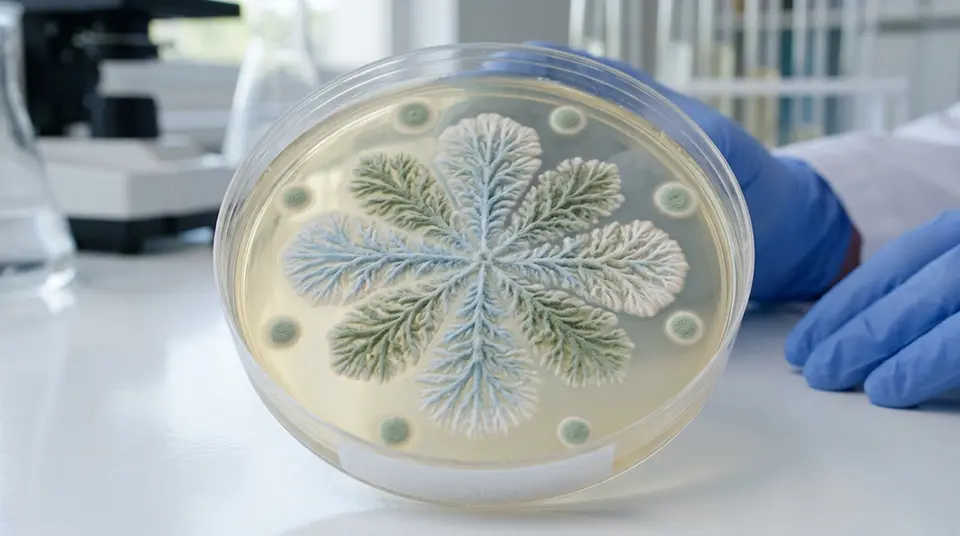
Such mixed infections are particularly problematic because different fungi have different potentials to produce dangerous mycotoxins.
Some molds may be mostly cosmetic, while others can undermine grain safety and livestock health.

Source: Wikimedia Commons, CC BY-SA 4.0
Why Identifying the Fungal Culprit Matters
Not all ear molds are equal.
Some may simply reduce kernel quality, but others can produce mycotoxins—compounds toxic to livestock and humans.
The decision to market, dock, or divert grain often depends on which fungal species are present.
For instance:
- Fusarium species are well-known producers of fumonisins and deoxynivalenol (DON).
- Cladosporium is considered less likely to produce major mycotoxins but can still affect grain appearance and quality.
- Penicillium species can generate less common mycotoxins depending on species and environment.
Laboratory identification—through microscopy, culture, or molecular assays—is vital to confirm which fungi dominate in a field sample.
This information shapes next-season strategies: hybrid selection, fungicide timing, and crop rotation planning.
Environmental Drivers & Timing
Ear rot infections often originate when fungal spores land on kernels already damaged by insects, hail, or drought-related cracking.
Warm, humid weather conditions in the days or weeks following silking favor mold development.
Research suggests fungicide efficacy is highest when applied at or before tasseling, as that helps limit initial establishment of fungi on silks and kernels.
Delayed applications often struggle to reduce mycotoxin accumulation.
Guidance from crop pathologists emphasizes that early preventive timing, rather than late-season rescue sprays, is key to mitigation.
Management Options for 2026
To reduce ear rot and mycotoxin pressure in the coming season, growers should consider:
1. Scouting and Testing
Regular scouting during grain fill and sending suspect ears for lab analysis helps track which molds are active in your region.
2. Hybrid Choice
Select hybrids with improved tolerance or resistance to common ear-rot pathogens.
No hybrid is universally resistant, but combining traits helps.
3. Fungicide Timing
Apply fungicides before or at reproductive stages, not late in grain fill.
In 2025, fields left untreated are showing the consequences of missed windows.
4. Crop Rotation and Residue Management
Rotating to non-corn crops reduces inoculum pressure.
Tilling or managing residue can lower survival of ear-rot fungi.
5. Harvest and Storage Practices
Harvest infected fields early, dry grain promptly (below 14% moisture), and segregate high-risk loads.
Infected grain often loses storage life more rapidly.

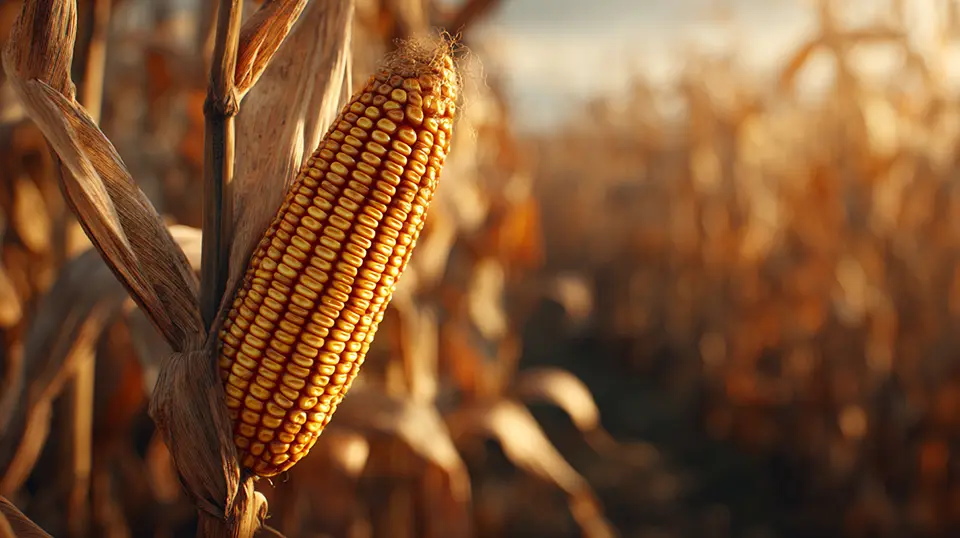
Source: Wikimedia Commons, CC BY-SA 4.0
Looking Ahead
This year’s rise in ear rots signals an ongoing westward expansion of fungal inoculum across the Corn Belt.
With wetter summers and extended humidity, 2026 may demand even tighter disease monitoring, early fungicide timing, and hybrid diversification.
Ultimately, managing ear rots is not just about protecting yield—it’s about safeguarding food and feed safety.
Preventing mycotoxin contamination begins long before harvest, in every decision about scouting, timing, and residue management.
References
- Quinn, D., & Bower, B. (2025). Midwest Corn Disease Updates. Purdue Extension Crop Diagnostics Report.
- United States Department of Agriculture (USDA). (2025). Mycotoxin Contamination and Grain Safety Guidelines.
- Food and Drug Administration (FDA). (2024). Mycotoxins in Animal Feed.
According to FARMPROGRESS
Key Takeaways
- “Mycotoxins continue to be a concern as inoculum for ear rots spreads west through Midwest cornfields,” notes Dan Quinn, a corn specialist with Purdue Extension.
- Reports from 2025 show that fields not sprayed with fungicides have exhibited a mix of foliar diseases and multiple active ear rots as early as September.
- To reduce ear rot and mycotoxin pressure in the coming season, growers should consider:
- Select hybrids with improved tolerance or resistance to common ear-rot pathogens.No hybrid is universally resistant, but combining traits helps.
- Rotating to non-corn crops reduces inoculum pressure.Tilling or managing residue can lower survival of ear-rot fungi.
Frequently Asked Questions
What should you know about fungal Diseases Shift West Across the Corn Belt?
As cornfields across the U.S. Midwest enter the late growing season, growers and researchers are increasingly alarmed by signs of ear molds and the associated threat of mycotoxin contamination.What was once more prevalent in the eastern Corn Belt is now moving westward, raising concern for regions t
What should you know about ear Rots on the Move?
“Mycotoxins continue to be a concern as inoculum for ear rots spreads west through Midwest cornfields,” notes Dan Quinn, a corn specialist with Purdue Extension.
Why Identifying the Fungal Culprit Matters?
Not all ear molds are equal.Some may simply reduce kernel quality, but others can produce mycotoxins—compounds toxic to livestock and humans.The decision to market, dock, or divert grain often depends on which fungal species are present.
What should you know about environmental Drivers & Timing?
Ear rot infections often originate when fungal spores land on kernels already damaged by insects, hail, or drought-related cracking.Warm, humid weather conditions in the days or weeks following silking favor mold development.
What should you know about management Options for 2026?
To reduce ear rot and mycotoxin pressure in the coming season, growers should consider: