Meta Description
A patch of mold on a wall is not just a cosmetic problem — it is a surface that has become a microhabitat. What you do next, and what you use, depends almost entirely on what that surface is made of.
The Wall Is Not What You Think It Is
We treat walls, ceilings, and floors as inert structures — solid, stable, permanent. Under normal conditions, that is mostly true. But when moisture persists and airflow is limited, the surfaces inside a home begin to behave differently. Materials like drywall, paint, wood paneling, and dust-coated adhesives contain trace organic compounds — enough to serve as a nutrient source for fungal growth.
When conditions tip, these surfaces become what researchers call microhabitats — localized environments where temperature, humidity, and organic substrate converge to support microbial life. Mold does not colonize randomly. It follows gradients, expanding along the paths of greatest moisture and least airflow, often establishing itself in ways that make visible growth the tip of a much larger colony beneath the surface.
This is the core problem with surface mold: what you can see is frequently not all that is there.

The Most Important Distinction: Porous vs. Non-Porous
Before reaching for any cleaning product, the single most important decision is determining what the affected surface is made of. This distinction — between porous and non-porous materials — determines not just how you clean, but whether cleaning is even the right response.
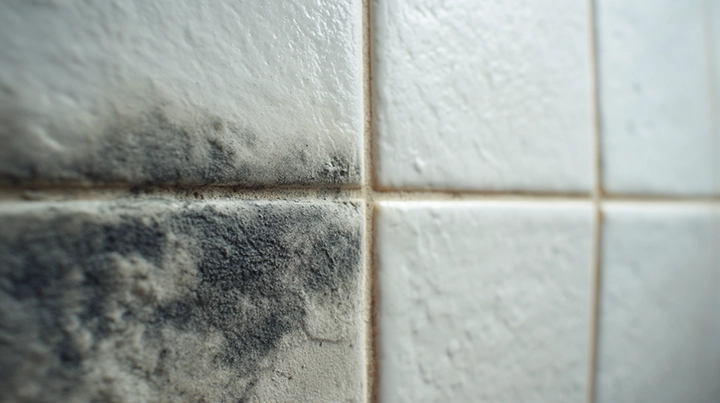
Non-porous surfaces — ceramic tile, glass, metal, sealed concrete, plastic — do not absorb moisture or allow mold to penetrate beneath the surface. Mold growing on these materials is genuinely a surface problem. It can be physically removed with appropriate cleaning, and a properly cleaned non-porous surface will not harbor residual mold.
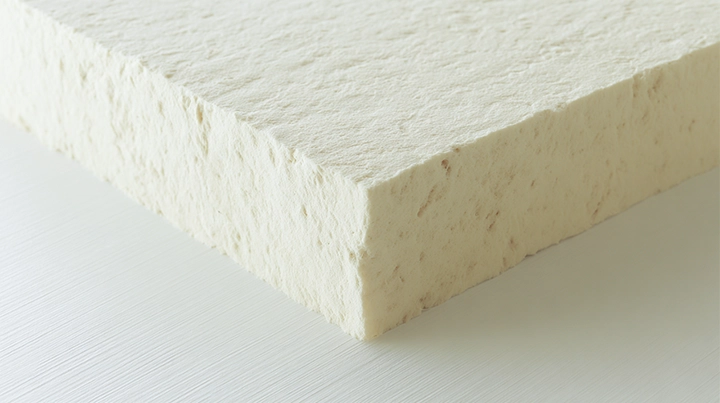
Porous materials — drywall, plasterboard, unfinished wood, ceiling tiles, insulation, carpet, and most textile materials — absorb moisture and provide internal structure for mold to colonize. Mold can grow on or fill in the empty spaces and crevices of porous materials, making complete removal difficult or impossible without removing the material itself.
This is why the same visible patch of mold on a bathroom tile and on a section of drywall requires completely different responses — and why treating them identically is one of the most common mistakes in household mold management.
Cleaning Non-Porous Surfaces: What Works
For non-porous surfaces with visible mold growth, the EPA recommends cleaning with water and detergent, drying thoroughly, and ensuring the moisture source is addressed. The cleaning sequence matters:
Step 1: Protect yourself first. Disturbing mold releases spores into the air. Wear gloves, an N95 mask, and eye protection. Ensure the area is ventilated — open windows, run an exhaust fan — but do not use a standard household fan, which can spread spores to other rooms.
Step 2: Damp-wipe, don’t dry-scrub. Dry scrubbing or vacuuming with a standard vacuum releases spores. Use a damp cloth or sponge with mild detergent solution to wipe the surface, capturing rather than dispersing the growth.
Step 3: Rinse and dry completely. After cleaning, rinse with clean water and dry the surface as quickly as possible. Residual moisture creates the conditions for regrowth within days.
Step 4: Inspect beyond the visible area. After cleaning, look carefully at surrounding surfaces and grout lines. Mold on tile frequently indicates moisture behind the tile — check for soft spots in grout, damaged sealant, or persistent dampness.

The Bleach Question
Bleach is the most commonly reached-for solution for household mold — and one of the most misapplied.
On non-porous surfaces, a diluted bleach solution (roughly one cup per gallon of water) can reduce staining and surface contamination. Used with adequate ventilation and appropriate protective equipment, it is an acceptable option for tile, glass, or sealed concrete.
On porous materials, bleach does not work. The EPA and CDC do not recommend bleach for mold remediation on porous or semi-porous materials like wood and drywall. The water component of bleach solution can penetrate the surface and increase moisture in the material, while the active ingredient does not penetrate deeply enough to reach the full extent of fungal growth. Surface staining may be reduced, but the mold remains — and may regrow more aggressively.
The practical rule: bleach is for appearance on hard surfaces. It is not a remediation tool for materials that absorb moisture.
When the Material Has to Go
For porous materials, the threshold for replacement rather than cleaning is lower than most people assume. California Department of Public Health guidance recommends discarding porous materials that have been wet for more than 24–48 hours, because mold establishment is likely even if not yet visible.
In practice, the indicators that replacement is necessary include:
- Mold covering an area larger than approximately 1 square meter on a porous surface
- Mold that returns within weeks of cleaning, indicating established growth within the material
- A persistent musty odor after visible mold has been removed — a sign that active growth continues beneath the surface
- Soft spots, delamination, or structural softening in drywall or plasterboard
- Any porous material associated with significant water damage or flooding
Drywall and ceiling tiles that have sustained water damage should be removed to a level above the visible water line, and the wall cavity behind them inspected before replacement. Insulation that is wet or moldy should be replaced entirely — it cannot be effectively dried or cleaned in place.

Moisture Control: The Step That Comes Before Everything Else
Every mold removal process has the same prerequisite: the moisture source must be identified and stopped before cleaning or replacement begins. Surface treatment without moisture correction will result in recurrence — typically within weeks.
According to the EPA’s Brief Guide to Mold, Moisture and Your Home, the key to mold control is moisture control. This means:
Identifying the source — Is moisture coming through the wall from outside? From a slow pipe leak inside the wall? From condensation on a cold surface? From inadequate ventilation trapping steam? Each source requires a different correction.
Maintaining indoor humidity below 60% — Most mold species require sustained relative humidity above 70–80% to grow actively. Keeping humidity in the 40–55% range removes the enabling condition for most household mold.
Drying wet materials within 24–48 hours — This is the critical intervention window. Materials dried within this period can usually be salvaged. Materials that remain wet longer are significantly more likely to develop mold regardless of surface treatment.
Improving airflow in high-risk areas — Stagnant air allows moisture to accumulate on surfaces. Improving circulation — particularly in corners, behind furniture, and in enclosed spaces — is as important as controlling humidity levels.
Surface-Specific Guide: Materials and Their Risk Profiles
Different interior materials respond differently to mold and require different approaches:
Painted walls (non-porous paint on drywall): Mold on painted surfaces may be cleanable if growth is limited to the paint layer. If mold has penetrated through the paint into the drywall beneath — indicated by soft spots or paint that peels when cleaning — the drywall section requires replacement.
Ceramic and stone tile: Non-porous and cleanable. Pay particular attention to grout lines, which are porous and can harbor mold internally. Heavily molded or crumbling grout should be removed and replaced, not cleaned.
Wood (finished surfaces): Finished wood can be cleaned with mild detergent if surface mold is caught early. Unfinished or raw wood that has been wet for extended periods may have mold penetrating the grain — sanding is sometimes possible for structural wood, but affected boards in wall framing often need replacement.
Carpet and soft furnishings: Cannot be reliably cleaned of mold. Wall-to-wall carpet with mold or mold odor should be discarded. Throw rugs can sometimes be salvaged if thoroughly washed and completely dried.
Ceiling tiles: Porous by design. Moldy ceiling tiles should be replaced, not cleaned.

FAQ: Mold on Indoor Surfaces
Q: Can I paint over mold to cover it? No. The EPA specifically advises against painting or caulking moldy surfaces. Paint applied over mold will peel, and the growth will continue beneath it. The surface must be cleaned and fully dried before any repainting.
Q: Is bleach the best cleaner for mold? Only on non-porous surfaces, and primarily for staining. Bleach does not penetrate porous materials and is not recommended by the EPA or CDC for mold remediation on wood, drywall, or other absorbent materials. For most household surfaces, detergent and water is the appropriate cleaning agent.
Q: How do I know if the mold goes deeper than the surface? Signs that mold has penetrated include: soft or spongy texture when pressing on drywall, persistent musty odor after visible cleaning, paint that peels or bubbles when wet, and mold that returns within a few weeks of cleaning. Any of these indicate the material is affected beyond the surface.
Q: When should I call a professional? Professional remediation is recommended when mold covers more than approximately 1 square meter, when mold is associated with significant water damage, when it is present inside HVAC systems, or when household members have health conditions that make exposure particularly risky. Professionals use containment, HEPA vacuuming, and controlled removal to prevent spore spread during remediation.
Q: Why does mold keep coming back after I clean it? Because the moisture source has not been resolved. Cleaning addresses the visible growth, but if the conditions that enabled it — a slow leak, inadequate ventilation, persistent condensation — remain unchanged, regrowth will occur. Identify and fix the moisture source before or alongside any cleaning effort.
Q: Can mold inside walls be left alone if it is not visible? No. Mold within wall cavities continues to grow, releases spores into indoor air, and can cause structural damage to building materials over time. If mold within walls is suspected — based on persistent odor, visible surface staining that recurs, or known water damage — professional inspection is warranted.
References
Official Sources
- U.S. Environmental Protection Agency — A Brief Guide to Mold, Moisture and Your Home: https://www.epa.gov/mold/brief-guide-mold-moisture-and-your-home
- U.S. Environmental Protection Agency — Mold Course Chapter 2: https://www.epa.gov/mold/mold-course-chapter-2
- U.S. Environmental Protection Agency — Mold Course Chapter 4: https://www.epa.gov/mold/mold-course-chapter-4
- U.S. Environmental Protection Agency — Mold Cleanup in Your Home: https://www.epa.gov/mold/mold-cleanup-your-home
- California Department of Public Health — Mold or Moisture in My Home: https://www.cdph.ca.gov/Programs/CCDPHP/DEODC/EHIB/CPE/CDPH%20Document%20Library/Mold/MMIMH_English.pdf
- NCBI Bookshelf — Prevention and Remediation of Damp Indoor Environments: https://www.ncbi.nlm.nih.gov/books/NBK215647/
Article prepared by the MoldNewsHub editorial team based on peer-reviewed research and publicly available scientific literature.