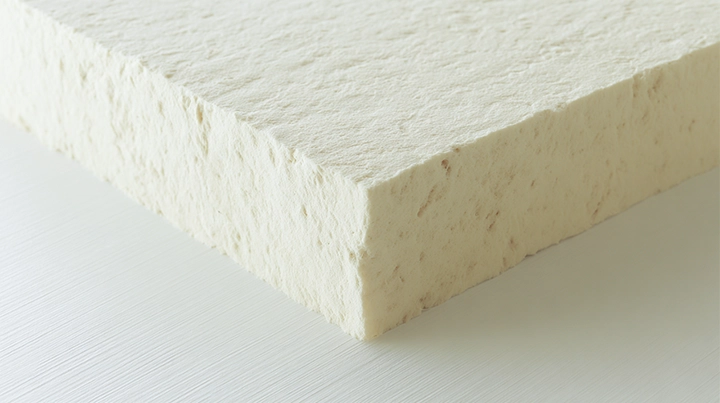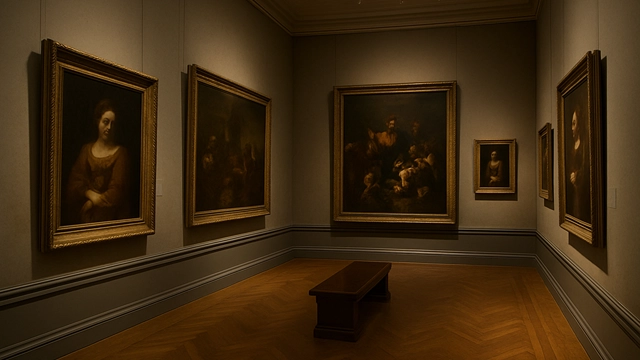
When we move through a museum gallery, we tend to notice the surface details: the warmth of pigment, the rhythm of brushstrokes, the patient glow of varnish. Yet in these quiet rooms, another kind of viewer is busy making judgments—mold. It behaves like a silent, particular, and slightly presumptuous aesthetic critic, drawn to the most vulnerable parts of an artwork, as if compelled to add its own marks to the masterpiece.
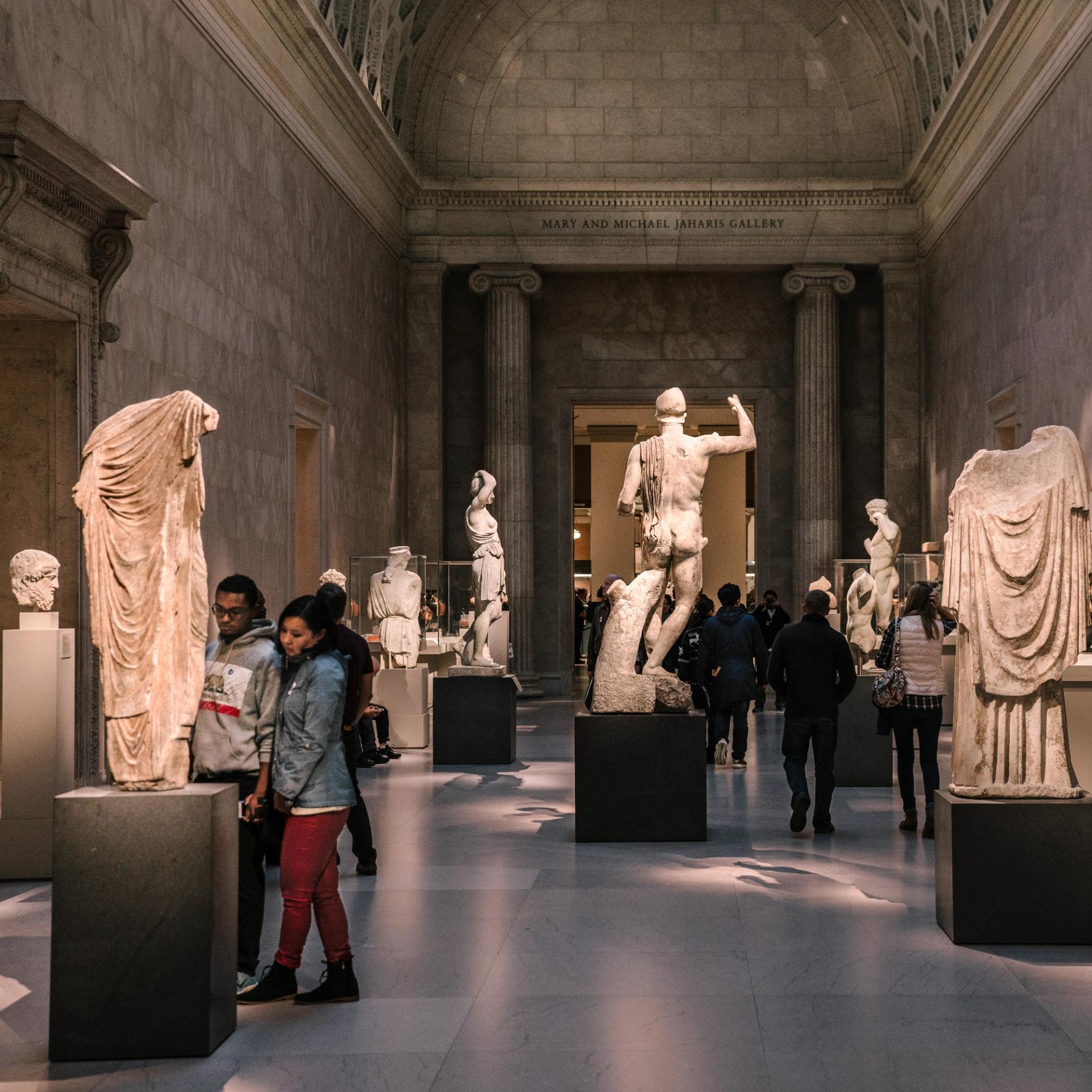
Its motives are simple. Give it moisture, darkness, and a hint of nourishment, and it begins its private project. Canvas fibers, wooden stretchers, protein-rich adhesives, the lipids in oil-based binders—these are all fair game. To mold, a painting is not a cultural treasure but a well-stocked buffet.
And this buffet has consumed more masterpieces than most visitors ever realize.
On Leonardo’s Last Supper, conservators have documented the effects not only of time and pollution but also mold—thin brown and black specks infiltrating the fragile paint layers. In the Roman catacombs, persistent humidity allows species such as Fusarium, Cladosporium, and Penicillium to drift across frescoes like a soft, unwanted mist. Even the famous Lascaux cave paintings once faced a severe fungal outbreak, forcing strict limits on human visits to avoid adding more moisture to an already delicate environment.

In these moments, mold behaves not simply as a destroyer but as an uninvited collaborator, altering surfaces in ways that echo deliberate artistic gestures.
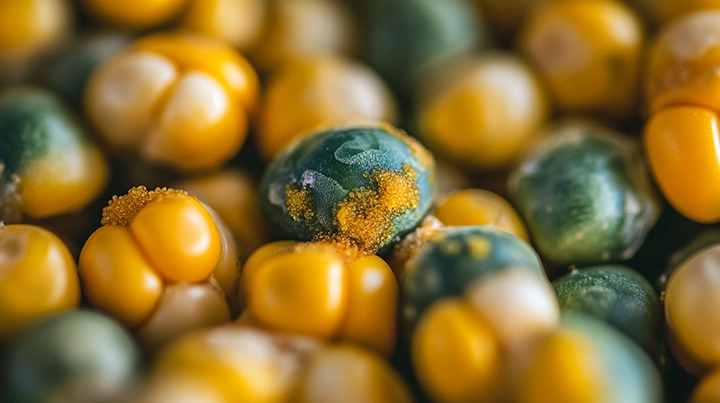
Under the microscope, its traces reveal a strange kind of beauty: networks of fine white filaments, powdery green blooms, mottled brown spots that mimic natural patina. Some colonies form threads so delicate they resemble intentional fog-like glazes; others produce granular textures difficult to distinguish from the canvas’s original tooth. As some conservators like to say, “Mold can be surprisingly meticulous—especially when destroying something.”
Behind this “handwriting” lies material science. Canvas made from cotton or linen provides abundant cellulose. Traditional grounds and adhesives based on animal glue supply proteins. Oil paint binders such as linseed oil contain fatty acids that certain fungi can digest. Even wooden frames can soften under the slow pressure of white-rot fungi. Mold’s interventions are not aesthetic decisions—they are biological necessities.

To restrain these uninvited artists, museums operate like slow-moving environmental laboratories. Relative humidity is kept near 50 percent, because once it climbs beyond 65 percent, fungal growth can accelerate dramatically. HVAC systems smooth out temperature swings that might trigger condensation. Paper-based collections are sometimes frozen to halt spores. Painted surfaces and frescoes undergo examinations with microscopes, molecular assays, or infrared and FTIR spectroscopy to track microbial activity.
Conservation teams deploy subtle countermeasures: volatile fungistatic compounds that suppress growth without disturbing pigment structures; gentle cleaning protocols that avoid damaging fragile surfaces; controlled darkness or cold rooms that give mold fewer chances to wake. Every step is part of a larger effort to keep mold from adding more strokes to the artwork.
Yet beneath this defensive choreography lies a quieter truth. Mold appears because artworks are built from materials that age—fibers, oils, gums, wood, paper. They breathe and absorb moisture. They shift and warp. And in those shifts, they invite microbes. Mold simply makes visible the fact that artworks, despite their cultural weight, are living negotiations with their environment.
This negotiation happens far beyond museums: in family albums stored in dim corners, framed prints hanging on sunless walls, and small paintings sealed inside humid rooms. The same organisms at work in catacombs or caves can just as easily inhabit a bookshelf at home. Mold does not care about the prestige of its canvas; it follows only the logic of vulnerability.
So perhaps mold is not an aesthetic critic. It is a life form carrying out its ordinary habits, while we interpret its traces as commentary. The real question is how we read those traces—what they reveal about time, fragility, and the materials we trust to hold our memories.
When we see specks on an old painting, we might try thinking of them not merely as damage but as marginal notes written between an artwork, its environment, and the long, humid breath of history. Conservation is not about erasing these notes, but about keeping mold from writing new ones.
REFERENCES
Academic Sources
- Sterflinger, K. (2010). Fungi: Their role in deterioration of cultural heritage. Fungal Biology Reviews. https://doi.org/10.1016/j.fbr.2010.03.004
- Caneva, G., Nugari, M., & Salvadori, O. (2008). Biology in the Conservation of Works of Art. ICCROM.
- Dupont, A.‐L. (2020). Microorganisms and the biodeterioration of heritage materials. International Biodeterioration & Biodegradation.
Official / Institutional
- ICCROM — International Centre for the Study of the Preservation and Restoration of Cultural Property
https://www.iccrom.org/ - Smithsonian Museum Conservation Institute
https://www.si.edu/mci - American Institute for Conservation (AIC)
https://www.culturalheritage.org/