A Startling News Story
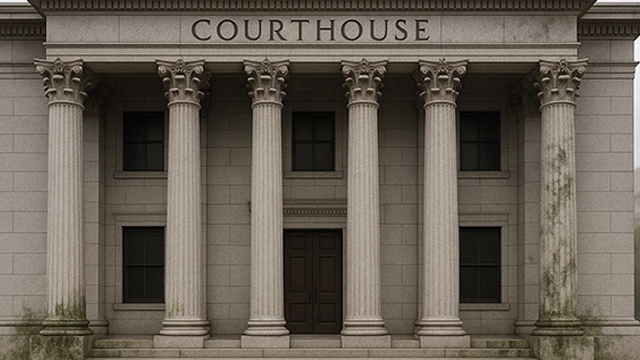
In mid-August, Harris County courthouses in Houston, Texas, made headlines when dozens of public restrooms were forced to close due to widespread mold. The county had to spend more than $750,000 on remediation, and at least one judge was diagnosed with mold-related allergies. A courthouse is supposed to symbolize order and justice, yet it was paralyzed by an invisible invader. This raises an urgent question: why is mold such a persistent problem in public buildings?
How Mold Thrives in Buildings
Mold does not need exotic conditions to grow—just three things: water, nutrients, and the right temperature. Unfortunately, public buildings often provide all three. Flooding or hurricane damage can leave behind moisture. Leaky underground pipes or poorly drained HVAC systems add to the problem. Common construction materials like drywall, wood, and paperboard supply nutrients for fungal growth. Aspergillus versicolor often colonizes damp walls, Stachybotrys chartarum (black mold) thrives on soaked drywall, and Chaetomium globosum grows on wet wood and paper. In short, the building itself becomes a ready-made habitat for mold.

The Health Toll: More Than an Annoyance
The danger with mold in public spaces is not just its presence on walls. Molds release millions of spores into the air, which circulate through HVAC systems into courtrooms, offices, and corridors. For many people, this results in mild symptoms like nasal congestion or itchy eyes. But for those with asthma or allergies, the impact can be severe, leading to persistent coughing or breathing difficulties. Some species also produce mycotoxins that pose additional risks, particularly for individuals with weakened immune systems. The Harris County case was a clear example: judges and staff experienced direct health effects.
Not Just Courthouses: Schools Under Attack
Courthouses are not the only victims. In August, the Dundee Community Schools in Michigan had to delay the start of the academic year because multiple classrooms were contaminated with mold. Around the same time, North Penn School District in Pennsylvania discovered mold in modular classrooms and rushed to complete cleanup before students returned. These incidents show a broader reality: whether in schools or courthouses, mold can quickly disrupt essential public services.

Why Mold Is So Hard to Eliminate
Dealing with mold in homes is difficult enough, but public buildings pose an even greater challenge. Their size and complexity mean remediation often requires shutting down large areas, disrupting critical services. The cost burden sparks debates: should taxpayers, government agencies, or contractors pay? Worse, mold is not a one-time problem. Cleaning visible growth does little if underlying issues—like water intrusion or poor ventilation—are not addressed. Long-term solutions require replacing contaminated materials, repairing waterproofing, and conducting ongoing monitoring.
What Science and Policy Tell Us
International health authorities have long warned of the risks. The World Health Organization (WHO) concluded that dampness and mold exposure are consistently linked to respiratory symptoms and worsening asthma. The Centers for Disease Control and Prevention (CDC) emphasized that mold outbreaks in healthcare facilities, while rare, can cause severe illness and even death. These findings underline a crucial point: mold in public buildings is not just a maintenance issue—it is a public health concern.

Toward Prevention, Not Reaction
Technology and policy offer practical ways forward. On the design side, using mold-resistant materials and improving drainage and ventilation can make buildings less vulnerable. On the monitoring side, humidity and spore sensors can provide early warnings. On the management side, mold risk should be built into standard facility protocols, rather than waiting for visible outbreaks or complaints to trigger action.
A Global Reminder
The courthouse and school cases in the United States are reminders of a larger truth: mold is not just America’s problem. Regions like Taiwan and other humid climates face the same risks, especially with typhoons, monsoon rains, and aging infrastructure. Mold can paralyze a courthouse, delay school openings, or even compromise hospitals and transit stations. The next time you notice a musty smell or water stains on a wall, don’t dismiss them as minor annoyances. They may be early warnings of a public health hazard already growing in your environment.

References
Academic
- Mendell, M. J. et al. (2011). Respiratory and allergic health effects of dampness and mold in schools. Environmental Health Perspectives. Full text
- Fisk, W. J., Eliseeva, E., & Mendell, M. J. (2010). Association of residential dampness and mold with respiratory tract infections and bronchitis. Environmental Health. Full text