Introduction: Survival in the Margins
High on cliffs, wind-scoured trees, and rocky outcrops, lichens—those quiet, persistent symbioses—are some of the oldest survivors in nature’s archive. They hold fast where life looks almost impossible, bridging the harshness of sun-bleached rock and freezing night air. Yet, even within these apparent still lifes, the machinery of survival is in constant motion. A new study, published in BMC Biology by Edgar L.Y. Wong and colleagues, peels back the surface calm to reveal a remarkable process beneath: climate doesn’t just limit where lichens grow—it rewires their very genomes.
The protagonists in this story are lichen-forming fungi of the genus Umbilicaria, masters of endurance. Their wide geographic range and legendary resilience have always intrigued ecologists. But now, we have proof that the true story is not just about “toughness.” Instead, it’s about genomic tuning—the ability of these fungi to reprogram their DNA and its chemistry in direct response to one thing: the wild swings of temperature that define their world.

— Source: Wikimedia Commons
Beyond Hot and Cold: The Power of Instability
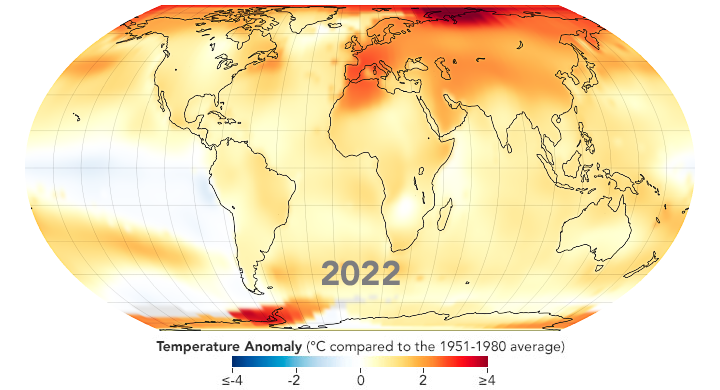
For decades, researchers sought evolutionary clues in the extremes—maximum highs, bone-chilling lows, average temperatures. But the new analysis flips this assumption. Studying 11 species of Umbilicaria collected from Alpine, cold temperate, and Mediterranean climates, the team found that it’s temperature variability—the daily and seasonal swings—that leaves the most lasting fingerprints on the genome.
It’s the climate’s volatility, not its average state, that acts as the hammer and chisel of evolution. The DNA of these fungi responds most strongly to mean diurnal temperature range, annual temperature seasonality, and minimum temperatures of the coldest month. Like a circuit tuned to handle voltage spikes and brownouts, the fungal genome is sculpted by the rhythm and violence of change, not by the comfort of averages.
This principle echoes across biology, aligning with findings in plant resilience, animal migration, and climate adaptation research: life evolves fastest where conditions fluctuate, not where they stabilize.
— Source: NASA Earth Observatory (Public Domain)
Region by Region: Evolution in Parallel
Delving deeper, the researchers identified gene sets under strong selection in each climate zone. In Alpine regions, where daily freezes give way to intense solar thawing, Umbilicaria genomes are enriched for cold-shock proteins, DNA repair pathways, and mechanisms that buffer freeze–thaw stress.
In cold temperate climates, fungi combine these cold adaptations with genes that support intermittent chilling rather than constant extremes. Meanwhile, Mediterranean Umbilicaria species show a genomic pivot toward heat-shock response, desiccation tolerance, and oxidative stress management.
What is striking is that these evolutionary toolkits arise within a single genus, illustrating how closely related fungi can diverge into distinct genomic strategies, each reading the climate’s signal in its own way.

— Source: iNaturalist
Molecular Chemistry: The DNA’s Physical Shield
One of the most revealing discoveries is the link between temperature variability and genome chemistry itself. Fungi from more unstable climates show increased GC content, a genomic feature associated with enhanced DNA stability under fluctuating thermal conditions.
At the protein level, these fungi also favor amino acids such as arginine and valine, which contribute structural rigidity and resilience. This is not adaptation by chance—it is precise molecular tuning, reinforcing the genome against physical stress.
These findings extend beyond ecology. They offer templates for biomaterial science, synthetic biology, and the design of DNA or proteins capable of enduring environmental instability.

— Source: Wikimedia Commons
Epigenetic Flexibility: Evolution in Real Time
Genomic evolution is often thought of as slow, unfolding across millennia. Yet this study reveals a faster parallel pathway: epigenetic regulation. In cold-dwelling Umbilicaria species, levels of 5-methylcytosine (5mC) are consistently elevated, indicating active DNA methylation systems.
This epigenetic layer allows fungi to rapidly adjust gene expression in response to stress—acting as a biological dimmer switch rather than a permanent rewrite of the genome. For slow-growing lichens, this reversible flexibility may be essential for survival in increasingly erratic climates.
Here, evolution operates on two lanes: long-term genetic selection and short-term epigenetic tuning, working together to buffer environmental shock.

— Source: Wikimedia Commons
A Window Into Fungi’s Future—And Ours
The study’s conclusion is unambiguous: fungi respond more strongly to climate instability than to gradual warming alone. As global weather patterns grow increasingly erratic—marked by sharper temperature swings and unpredictable extremes—fungal genomes may adapt faster than existing ecological models predict.
This insight extends well beyond mountain lichens. Indoor molds, agricultural pathogens, and beneficial fungi alike may evolve in response to volatility, not just mean temperature increases. For mycology, agriculture, and public health, this demands a shift in risk assessment—from averages to instability.
Teslo’s Final Reflection
What is most electrifying about this research is its portrayal of resilience not as a fixed trait, but as an ongoing negotiation between organism and environment. Umbilicaria is not merely enduring the weather; it is in constant dialogue with it, rewriting the code of life with every swing of the thermometer.
For MoldNewsHub readers, this is a reminder that fungi—whether as threat, ally, or innovation—remain among biology’s most responsive and revealing witnesses to planetary change.
References
Academic
- Wong, E. L. Y., et al. (2024). Temperature variability drives genomic and epigenomic adaptation in lichen-forming fungi. BMC Biology, 22:xx.
Official / Authoritative
- BMC Biology – Journal homepage
https://bmcbiol.biomedcentral.com/ - IPCC AR6 Working Group I – Climate variability
https://www.ipcc.ch/report/ar6/wg1/ - NIH – DNA Methylation
https://www.genome.gov/genetics-glossary/DNA-Methylation