Meta Description
The grain looks fine. The surface is clean. There is no smell, no discoloration, no obvious sign of anything wrong. And yet, inside, a chemical process may already have run its course — leaving behind compounds that no amount of cooking can remove.
The Moment You Think You’re Safe
Most of us have a simple rule for moldy food: if you can see it, throw it out. If you can’t see it, it’s probably fine.
It is a reasonable heuristic. It is also, in certain situations, dangerously wrong.
The assumption behind the rule is that visible mold and invisible risk move together — that if the surface looks clean, the food is clean. But mycotoxins can be present in food even in the absence of visible mold. A fungus may have grown, produced its toxic compounds, and died or been removed — while the toxins it left behind remain perfectly stable, chemically unaffected by the processing, cooking, or storage that followed.
This is not a fringe scenario. It is a recognized feature of how mycotoxins work, and understanding it changes what food safety actually means at the consumer level.

Two Different Processes, One Common Misconception
Here is the problem with the way we typically think about mold in food.
Fungal growth and mycotoxin production are related processes — but they are not the same process, and they do not always track each other in predictable ways.
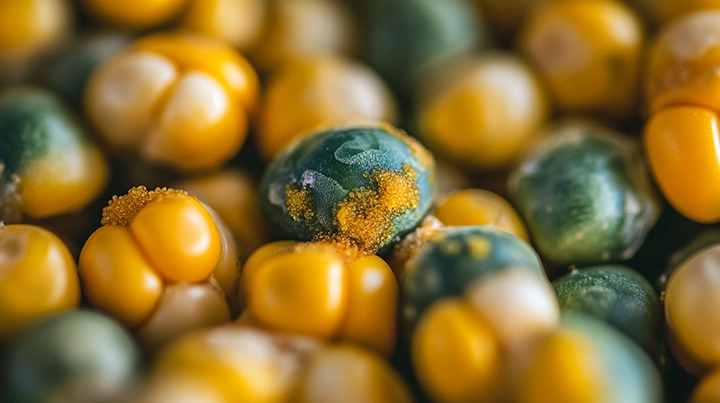
A grain of maize contaminated with Aspergillus flavus may show very little visible mold while containing significant levels of aflatoxin. Conversely, a product with obvious surface mold may have relatively low toxin concentrations. The disconnect between visible fungal presence and actual chemical risk is one of the most practically important — and least widely understood — aspects of food safety.
Why does this happen? Because mycotoxin production is a stress response, not simply a byproduct of fungal growth. Fungi produce these compounds when their environment becomes unstable — when moisture fluctuates, when nutrients are limited, when the conditions around them shift in ways that trigger a kind of chemical defense. The visible mold is the organism itself. The toxin is the signal that something in the system went wrong.
The Conditions That Trigger Invisible Risk
Environmental stress is the key variable that most people never see — and never think about.
Consider a batch of harvested maize. It leaves the field looking clean, with no obvious signs of contamination. But if the drying process was uneven, small pockets of moisture remain inside the grain. During transport or storage, ambient humidity fluctuates. Temperature shifts overnight. These micro-changes in the environment create precisely the kind of unstable conditions that push fungal metabolism toward toxin production.
Temperature, humidity, storage duration, and handling practices all contribute to whether fungi shift from relatively inactive states to toxin-producing ones. Grains with moisture content above approximately 14% are particularly vulnerable to fungal contamination. But even below that threshold, fluctuating conditions can create pockets of risk that aggregate tests would miss.
By the time the grain reaches a warehouse, a processing facility, or a kitchen, the toxins may already be present — chemically stable, largely invisible, and resistant to most of the interventions that people assume will protect them.
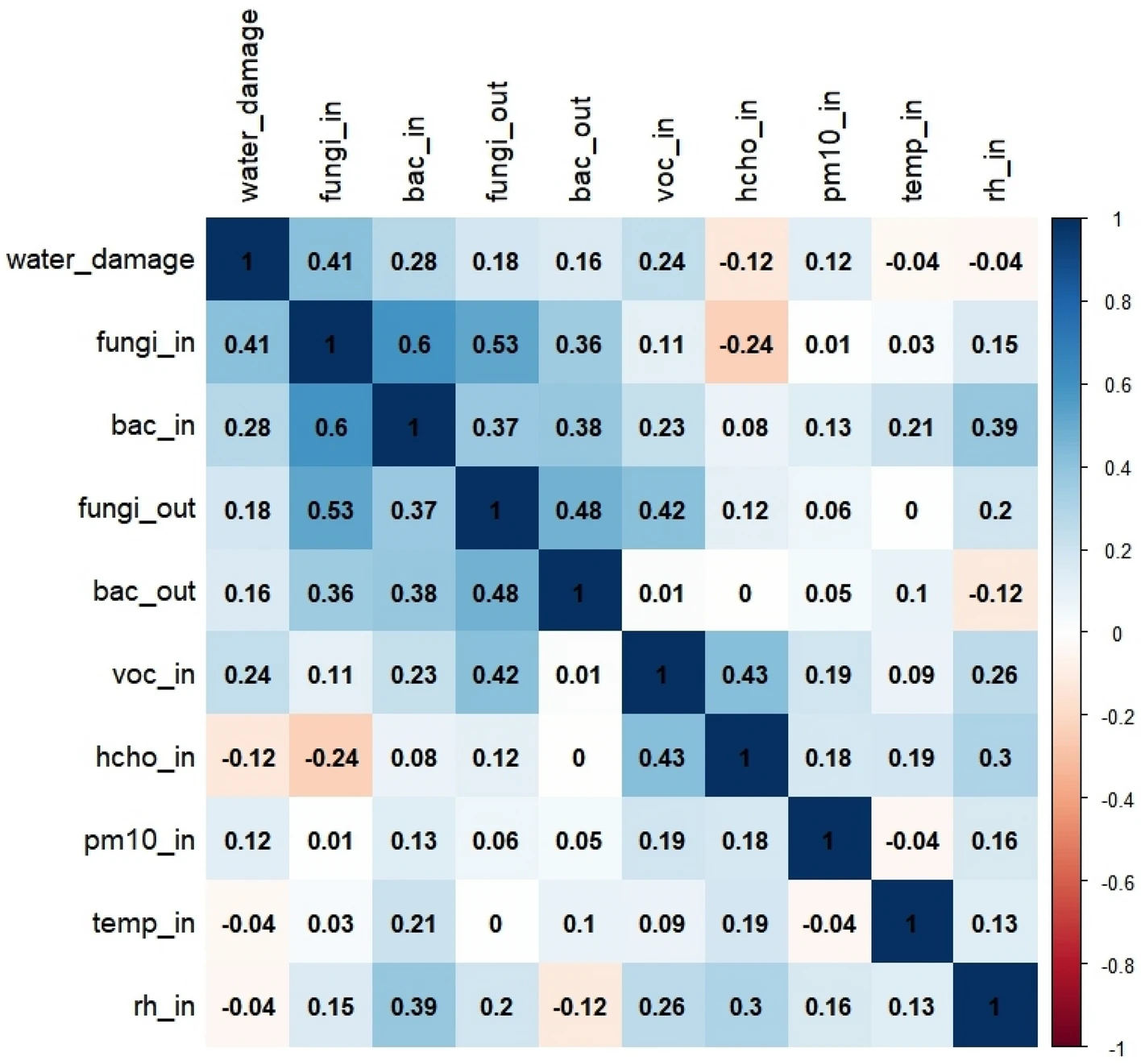
A 2024 study published in Scientific Reports found that indoor mold levels in water-damaged homes were significantly higher than in structurally intact ones — and that exposure was directly linked to allergic rhinitis, asthma, and atopic dermatitis in children, with adjusted odds ratios as high as 10.4. The lesson translates directly to food storage: hidden moisture creates hidden contamination, often long before anything becomes visible on the surface.

Why Cooking Does Not Solve the Problem
There is a widespread belief that heat kills mold and therefore makes contaminated food safe. This is partially true and largely misleading.
Heat does kill fungal cells. It disrupts cell walls, denatures proteins, and stops biological activity. A contaminated grain that is cooked at high temperature will not contain live fungi.
But mycotoxins are not alive. They are stable chemical compounds, and they survive most cooking processes — roasting, pasteurization, boiling, baking. Aflatoxin B1, one of the most dangerous, remains chemically intact through temperatures that would destroy the fungus that produced it. It can accumulate in animal products when livestock consume contaminated feed — appearing as aflatoxin M1 in milk, in concentrations that persist through pasteurization and into dairy products.
Between 2020 and 2024, mycotoxins accounted for over 2,400 food safety notifications in the European Rapid Alert System for Food and Feed — roughly 11.6% of all notifications, predominantly associated with cereals, nuts, and dried fruits. These are not obscure products. They are staples.
The implications are uncomfortable: a contamination event that occurred weeks or months earlier, under storage conditions that no one monitored carefully, can translate into a health risk that sits invisibly inside food that looks, smells, and tastes completely normal.
The Supply Chain Problem
The challenge is not limited to home storage. It runs through the entire food supply chain.
In agricultural production, contamination often begins before harvest — when crops are stressed by drought, insect damage, or disease, creating conditions where Aspergillus, Fusarium, and Penicillium species gain a foothold. In post-harvest handling, inadequate drying is one of the most common triggers for toxin accumulation. In transport and storage, temperature fluctuations and humidity variation can initiate contamination events in grain that arrived from the farm looking clean.
The problem is particularly acute in regions with warm, humid climates — Southeast Asia, Sub-Saharan Africa, and parts of Latin America — where infrastructure for controlled storage is limited and where staple foods like maize, peanuts, and rice are most vulnerable. In these regions, chronic low-level mycotoxin exposure has been linked to liver cancer, immune suppression, and stunted growth in children — consequences that accumulate slowly and are rarely attributed to their actual cause.
At every stage of this chain, the risk is largely invisible. And at each stage, the assumption that “it looks fine” is doing work that it is not equipped to do.
Research on indoor mold in water-damaged buildings shows that even environments that appear structurally intact can harbor fungal activity at levels sufficient to cause measurable health effects. Food storage facilities face an analogous challenge — the conditions that allow mold to establish quietly are often the same ones that go unmonitored until a problem becomes visible.
What Effective Safety Actually Looks Like
Visual inspection will always have a role in food safety. But it cannot be the primary tool for managing mycotoxin risk.
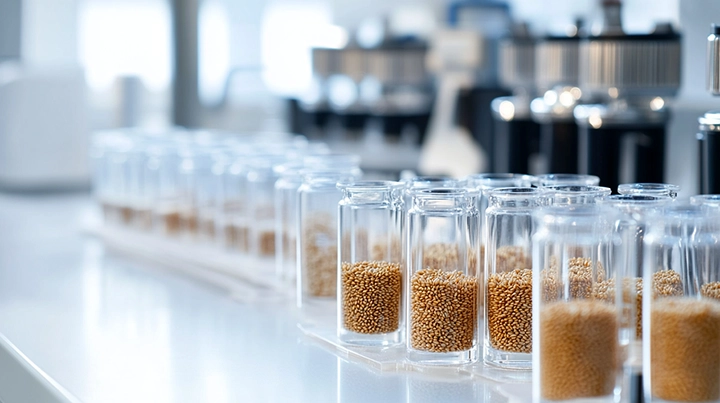
Effective detection now relies on analytical testing — enzyme-linked immunosorbent assays (ELISA), chromatographic methods, and increasingly, AI-integrated hyperspectral imaging systems that can identify contamination patterns in grain non-destructively and at speed. These approaches shift the question from “does it look moldy?” to “what chemical markers are actually present?”
At the systemic level, the most effective interventions happen before contamination occurs: controlling harvest timing and drying completeness, maintaining stable temperature and humidity throughout storage and transport, and monitoring conditions continuously rather than inspecting product once at the end of the chain.
The principle underlying all of this is the same one that applies to the fungal system itself: risk is determined by process, not appearance. What happened to this food before it reached you matters more than how it looks when it arrives.

FAQ: Mycotoxins and the Limits of What We Can See
Q: Can food look normal and still contain mycotoxins? Yes. Mycotoxins can be present even when visible mold is absent. Fungi may have grown, produced toxins, and been removed — while the chemical compounds they left behind persist. Visual inspection alone is not a reliable safety indicator.
Q: Does cooking destroy mycotoxins? No. Mycotoxins are chemically stable compounds that survive most cooking and processing methods — including boiling, roasting, and pasteurization. Removing visible mold or applying heat does not eliminate the risk from toxins already present.
Q: Why do fungi produce mycotoxins? Mycotoxin production is primarily a stress response. Fungi tend to produce these compounds when environmental conditions become unstable — fluctuating moisture, limited nutrients, temperature variation. The toxin is not simply a byproduct of growth; it is a signal that the system is under pressure.
Q: Which foods are most at risk? Cereals (maize, wheat, rice), nuts (peanuts, tree nuts), dried fruits, and spices are among the most commonly contaminated. These commodities account for the majority of mycotoxin-related food safety notifications globally, and the risk is highest when storage conditions are inadequate.
Q: Who is most vulnerable to mycotoxin exposure? Children are particularly vulnerable — chronic exposure is linked to stunted growth and immune suppression. People with compromised liver function face elevated risk from aflatoxins specifically. In regions where staple foods are heavily contaminated and monitoring is limited, the health burden falls disproportionately on low-income populations.
Q: How are mycotoxins actually detected? Reliable detection requires analytical testing methods — ELISA, chromatography, and increasingly, AI-powered hyperspectral imaging. These approaches identify chemical markers rather than visible characteristics, making them effective even when contamination leaves no visible trace.
References
Academic Sources
- Kovač Tomas et al. (2025). New Insights into Mycotoxin Contamination, Detection, and Mitigation in Food and Feed Systems. Toxins, 17(10), 515. https://pmc.ncbi.nlm.nih.gov/articles/PMC12567597/
- Liang et al. (2025). Recent Progress of Mycotoxin in Various Food Products — Human Exposure and Health Risk Assessment. PMC. https://pmc.ncbi.nlm.nih.gov/articles/PMC11898784/
- Demiray et al. (2025). Mycotoxins: An ongoing challenge to food safety and security. PMC. https://pmc.ncbi.nlm.nih.gov/articles/PMC12599949/
- Daher et al. (2025). Mycotoxins and neuropsychiatric symptoms. Frontiers in Pharmacology. https://www.frontiersin.org/journals/pharmacology/articles/10.3389/fphar.2025.1524152/full
- Lee et al. (2024). Association of exposure to indoor molds and dampness with allergic diseases at water-damaged dwellings in Korea. Scientific Reports, 14, 135. https://www.nature.com/articles/s41598-023-50226-w
Official Sources
- WHO — Mycotoxins fact sheet: https://www.who.int/news-room/fact-sheets/detail/mycotoxins
- European Commission — Rapid Alert System for Food and Feed (RASFF): https://food.ec.europa.eu/safety/rasff-food-and-feed-safety-alerts_en
Article prepared by the MoldNewsHub editorial team based on peer-reviewed research and publicly available scientific literature.