
People often think mold can be stopped by simply putting the right things in the room—some moisture absorbers, a few charcoal bags, or maybe a diffuser with essential oils.
But the truth is, mold doesn’t grow because you forgot to “put something” there—it grows because your room’s microclimate allows it to.
Mold only needs three things to thrive: moisture, warmth, and a bit of organic matter. And since these exist almost everywhere in our homes, the real goal isn’t to remove mold completely but to make the environment less suitable for it.
So instead of buying one more “anti-mold” product, start by changing the air itself: make it drier, make it move, and let nature add a subtle protective layer. Here are the three things that actually work.
1. Keep the Air Truly Dry — Humidity Control Is the Foundation
For mold, moisture in the air is food. When relative humidity stays above 60%, spores can germinate and spread. That’s why corners, wardrobes, and the space behind furniture are the first to show black spots—they trap water vapor.
A dehumidifier is the most effective tool, but only if it’s used correctly. Place it near damp spots such as outer walls or window corners, and run it long enough to keep humidity around 50%. If you don’t have one, use your air conditioner’s dry mode or place desiccant boxes inside closets.
Studies on indoor environments consistently show that lower humidity levels significantly slow down mold activity. Keeping the air dry isn’t about comfort—it’s about removing the one condition mold depends on most.
2. Let the Air Move — Ventilation Is More Powerful Than You Think

Still air is mold’s favorite habitat. Mold spores are everywhere, but they only grow where humidity lingers and air doesn’t circulate. Opening windows for twenty minutes a day helps moisture escape, while fans or mechanical ventilation keep air moving when the weather is humid.
Ventilation and dehumidification work best together. The dehumidifier removes excess water, while airflow prevents localized condensation. Even in rooms that feel dry, blocked airflow behind furniture or under beds can create hidden damp zones. Keeping a small gap—about two to four inches—between furniture and walls makes a big difference.
Invisible airflow, not scented sprays, is often your most reliable cleaning tool.
3. Use Scent as a Shield — How Natural Essential Oils Help
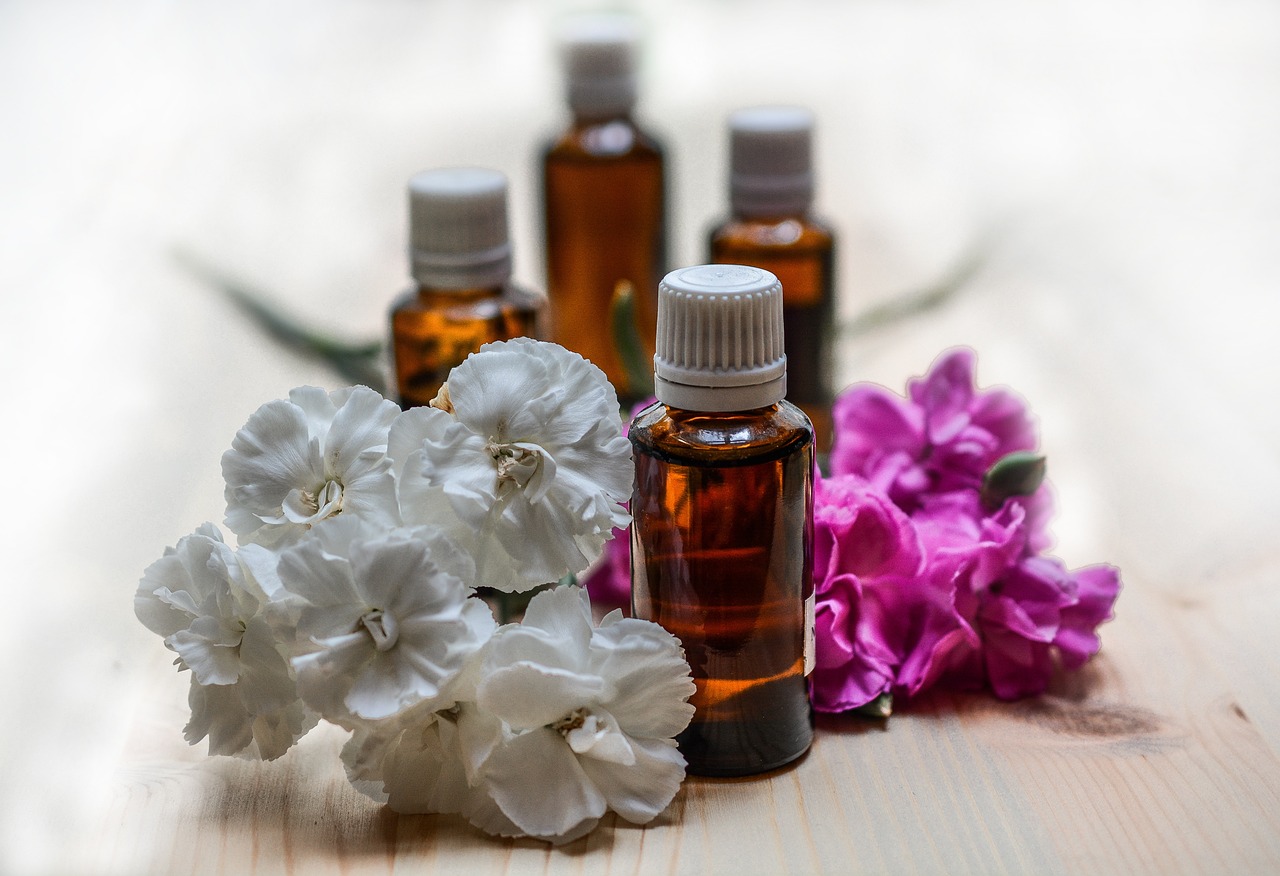
Once humidity and airflow are under control, natural essential oils can serve as an eco-friendly layer of protection. Research shows that certain plant oils contain volatile compounds that interfere with fungal cell membranes or inhibit spore germination.
For instance:
- Clove oil (Syzygium aromaticum) contains eugenol, known to disrupt the hyphae of Aspergillus species.
- Lemongrass oil (Cymbopogon citratus) has been shown to limit mold growth on wood surfaces.
- Cinnamon oil (Cinnamomum cassia) and thyme oil (Thymus vulgaris) contain cinnamaldehyde and thymol, compounds that can suppress fungal development in laboratory studies.
These oils can be diffused at low concentrations or used in diluted sprays—but always in well-ventilated rooms. They help delay surface contamination and musty odors but cannot replace proper humidity control. Think of them as natural assistants, not miracle fixes.
4. Don’t Put the Wrong Things — Some Materials Invite Mold
Paper boxes, cloth bags, wooden furniture, and thick carpets tend to absorb moisture and trap it inside. Even heavy curtains can hold damp air that feels dry to the touch. To reduce risk, use metal, plastic, or coated surfaces that can be wiped clean, and avoid sealing storage spaces too tightly.
In short, the best anti-mold measure isn’t adding one more item—it’s removing the ones that quietly store moisture.
5. The Real Secret: Invisible Habits

Effective mold prevention doesn’t rely on expensive gadgets or miracle sprays—it’s built into everyday habits.
Monitor humidity, keep the air moving, and add a touch of natural aroma only after the basics are right. When your room’s air stays dry and alive, mold simply can’t get started.
In the end, what keeps mold away isn’t what you put in your room—it’s how you let moisture leave and how you let air flow.
References
- PubChem Database: Eugenol (CID 3314), Cinnamaldehyde (CID 637511), Thymol (CID 6989)
- Wikipedia: Syzygium aromaticum, Cymbopogon citratus, Cinnamomum cassia, Thymus vulgaris, Aspergillus, Essential oil, Microclimate, Mechanical ventilation
- Environmental Health Perspectives. (2024). Volatile plant oils as natural antifungal agents.
- Journal of Applied Microbiology. (2023). Antifungal properties of eugenol and thymol against indoor mold species.