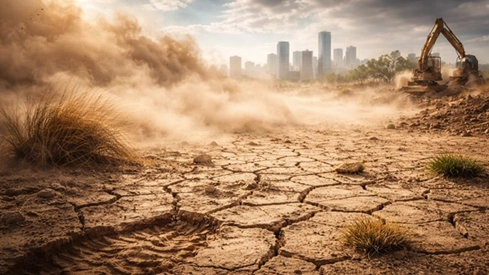
A Dusty Threat Rises: The Expanding Shadow of Valley Fever
For generations, Valley Fever, also known as coccidioidomycosis, was regarded as a uniquely southwestern American phenomenon. In arid deserts and sun-baked valleys, its causative fungus, Coccidioides, lurked quietly in the soil, waiting for the right storm to send its infectious spores swirling into the air. But as the world heats up and weather patterns shift, the boundaries of this disease are changing, and a once-regional threat is preparing to go national—and perhaps global.
Recent scientific reporting highlights a sobering trend: Coccidioides is on the move. The “grow and blow” cycle, once contained to the American Southwest and parts of Latin America, is now aided by the unpredictable hand of climate change, threatening new communities far beyond its historic range.

The Microbe Behind the Malady
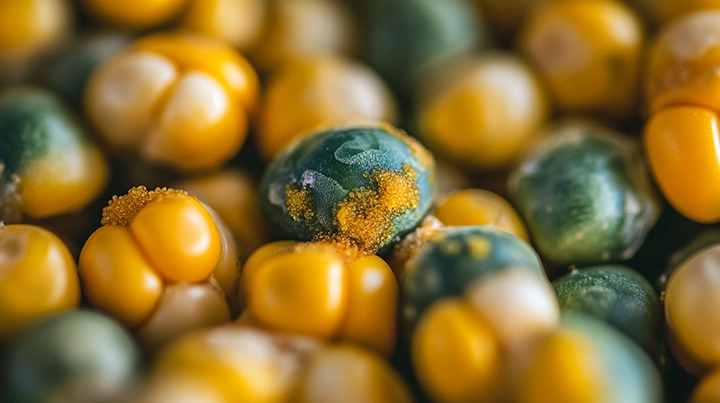
The life cycle of Coccidioides immitis and Coccidioides posadasii is a tale of resilience and opportunism . These fungi thrive in dry, alkaline soils—places where heat and drought are the norm. After rainfall, they grow quietly underground. When the land dries, they form tiny, tough spores called arthroconidia, waiting for the next windstorm, construction project, or farming operation to launch them skyward.
Inhaled into human lungs, these spores can cause illness ranging from mild, flu-like symptoms to severe pneumonia, and—on rare occasions—disseminated coccidioidomycosis, affecting the brain, bones, or skin .

Climate Change: Catalyst for Fungal Spread
Three forces are driving the new era of Valley Fever:
1. Dust, Wind, and Drought
The American West is no stranger to windstorms or drought, but climate models now predict even more frequent and intense dry spells. This favors the “grow and blow” cycle, creating longer fungal growth periods followed by explosive dispersal events. Each dust storm becomes a delivery system for infectious spores .

2. Expanding Habitat Boundaries
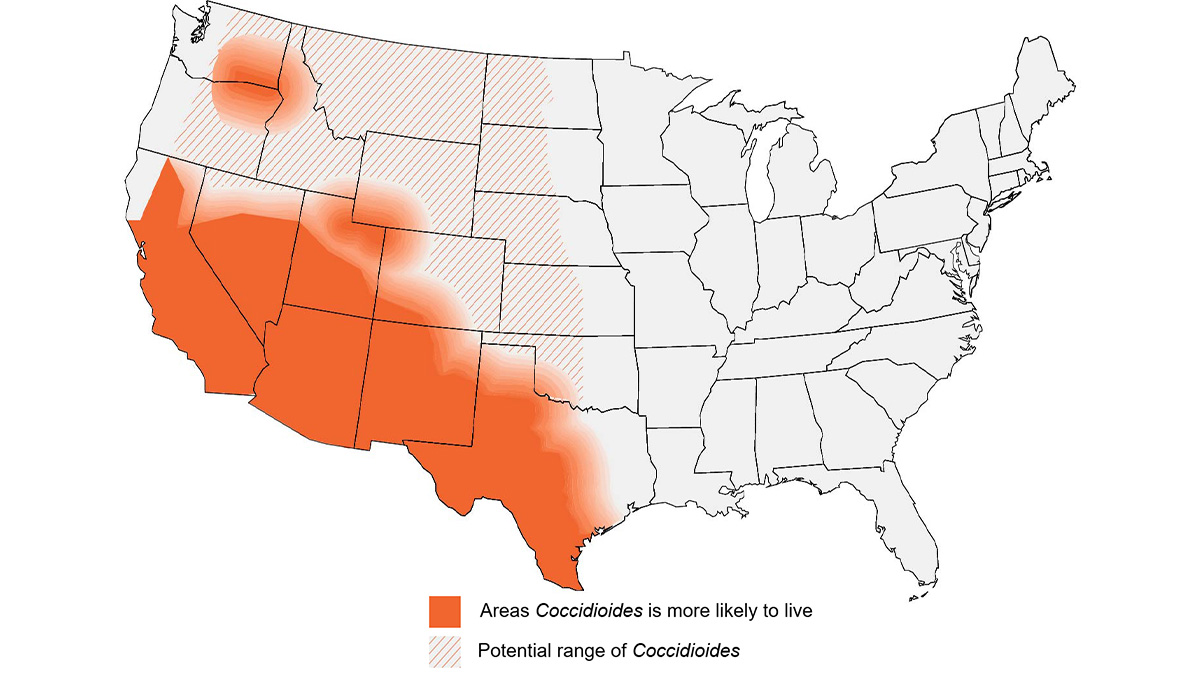
As temperatures rise and precipitation patterns change, regions once considered too cool or too wet are becoming suitable for Coccidioides. Ecological niche modeling suggests potential expansion into parts of the Midwest and Pacific Northwest during this century .
3. Urbanization and Soil Disturbance
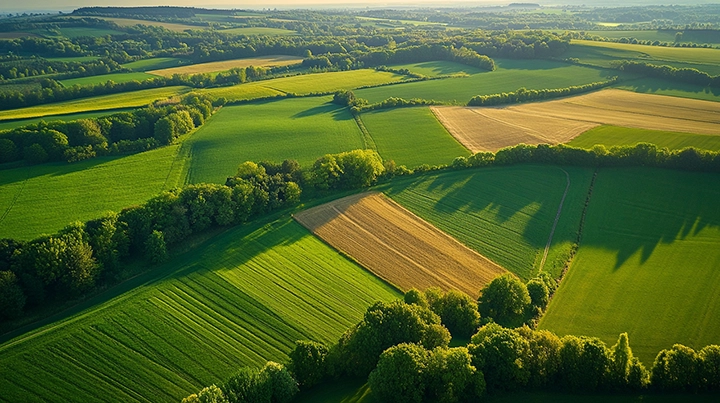
Construction, agriculture, and land development disturb soil that once kept spores buried. As cities expand into arid and semi-arid landscapes, human activity amplifies natural dispersal processes—turning development sites into unexpected exposure zones.
An Invisible Foe, Poorly Understood
Despite the rising risk, Valley Fever remains underdiagnosed. Even in endemic regions, patients are often misdiagnosed with bacterial pneumonia or viral infections. Outside traditional hot spots, clinical awareness is even lower. The U.S. Centers for Disease Control and Prevention (CDC) estimates tens of thousands of U.S. cases annually, though true numbers are likely much higher due to underreporting .
Delayed diagnosis can mean prolonged illness, unnecessary antibiotic use, and in severe cases, life-threatening complications.
A Harbinger for Global Fungal Risks
Valley Fever is not an isolated story—it is a preview. As climate change reshapes ecosystems, fungi are among the fastest responders. Soil fungi, indoor molds, crop pathogens, and opportunistic species are adapting to warmer, dustier, and more volatile conditions.
The boundary between “environmental fungus” and “human pathogen” is becoming increasingly porous. What was once rare or regional may become routine.
Adapting to a Dustier, Riskier World
Public health systems must evolve alongside these changes. Key responses include:
- Expanded fungal disease surveillance beyond historic endemic zones
- Environmental monitoring of dust, soil moisture, and land disturbance
- Improved clinician training in fungal diagnostics
- Protective measures for construction, agricultural, and logistics workers
For individuals, awareness matters. Climate change does not only alter coastlines and temperatures—it reshapes invisible biological risks carried in air and soil.
Valley Fever is no longer a regional curiosity. It is a case study in how climate instability, ecology, and human activity converge—quietly, persistently, and with global implications.
References
Official & Public Health
- U.S. Centers for Disease Control and Prevention (CDC). Coccidioidomycosis (Valley Fever).
https://www.cdc.gov/fungal/diseases/coccidioidomycosis/
Scientific & Educational
- Coccidioides — Wikipedia.
https://en.wikipedia.org/wiki/Coccidioides - USGS. Dust, Climate, and Health Interactions.
- Gorris et al., 2019. Climate change and Valley Fever expansion. GeoHealth. DOI: 10.1029/2018GH000193