A Molecular Conversation Beneath the Soil
How do rice plants decide whether fungi are friends or threats?
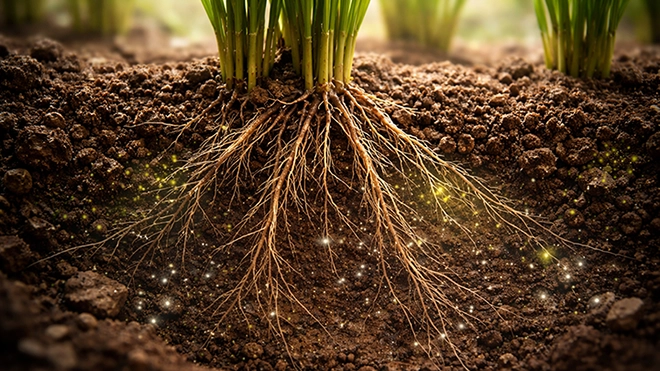
Beneath the surface of rice paddies, an unseen negotiation unfolds continuously. Roots grow through saturated soil, encountering vast microbial communities that influence plant health and productivity. Some fungi act as beneficial partners, helping plants absorb nutrients, while others behave as pathogens capable of devastating crops.
Recent research highlighted by Bioengineer.org reveals that rice plants do not respond to these encounters through simple defense reactions. Instead, they use a sophisticated molecular system involving microRNA (miRNA) to interpret fungal signals.
This miRNA acts as a regulatory switch, allowing the plant to decide whether to activate immune defenses or permit cooperation. Rather than reacting blindly, rice plants evaluate fungal interactions and adjust their responses accordingly.
This discovery shows that plant–fungal relationships are not automatic reactions. They are controlled decisions guided by molecular communication.
The Small Molecules With Outsized Influence
What is microRNA and how does it control gene expression?
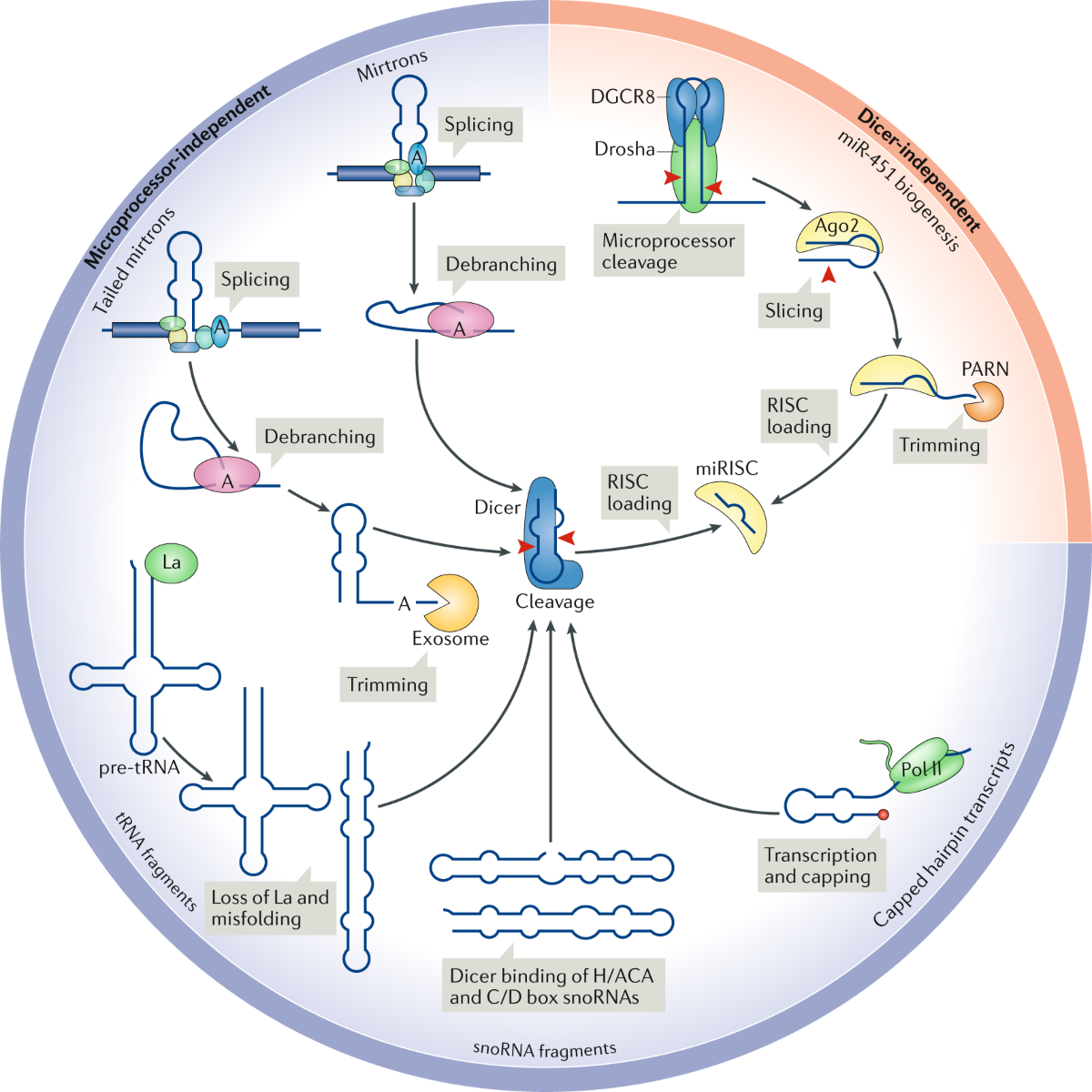
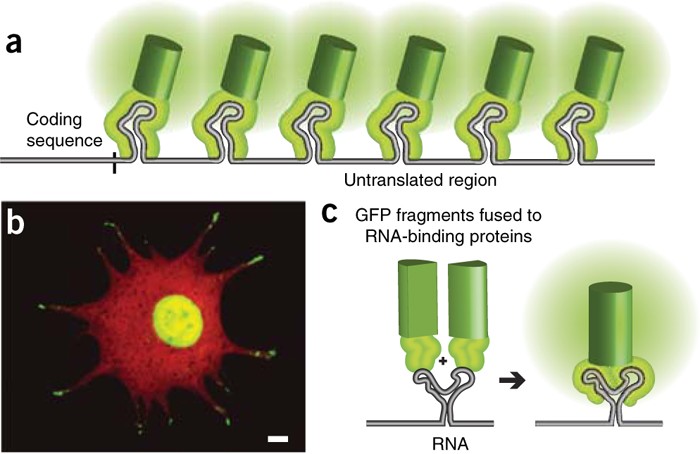
MicroRNAs are extremely small RNA molecules, typically about twenty nucleotides long, but they exert powerful control over biological systems. Instead of producing proteins directly, they regulate gene activity by binding to messenger RNA and preventing specific proteins from being synthesized.
Through this mechanism, microRNAs function as genetic regulators. They determine which genes are active and which remain silent at any given moment.
In rice, the newly identified miRNA targets genes involved in fungal interactions. When certain pathways are activated, the plant strengthens its immune defenses against harmful fungi. In other contexts, the same regulatory system allows beneficial fungi to colonize root tissues and support nutrient uptake.
This selective response demonstrates that rice plants can fine-tune their genetic behavior based on environmental cues. The plant is not simply defending itself from all microbes. It is making context-dependent decisions.
Friends, Foes, and Fungal Negotiations
How do rice plants balance beneficial and harmful fungi?

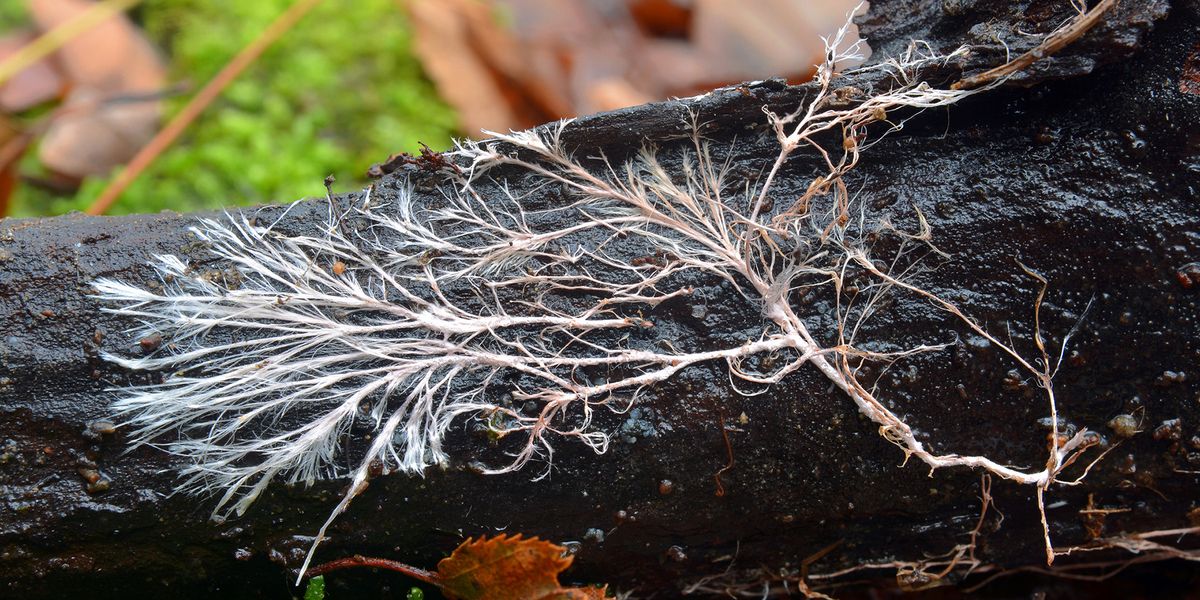

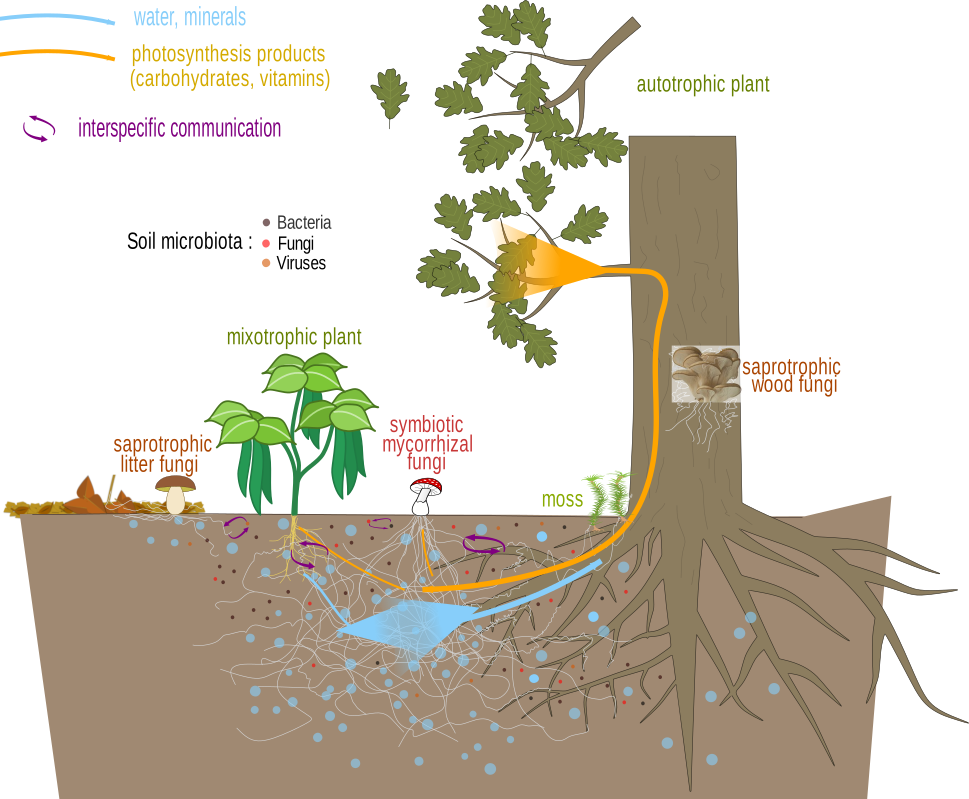
Fungi play dual roles in plant ecosystems. On one side are mycorrhizal fungi, which form cooperative relationships with plant roots and extend nutrient-absorbing networks deep into the soil. These partnerships significantly enhance the plant’s access to phosphorus, nitrogen, and other essential elements.
In return, plants supply these fungi with carbohydrates produced through photosynthesis. This exchange forms a critical foundation for many ecosystems and agricultural systems.
At the same time, rice plants are vulnerable to pathogenic fungi that can spread rapidly and damage crops. These pathogens can infiltrate root tissues and disrupt plant function, leading to yield losses.
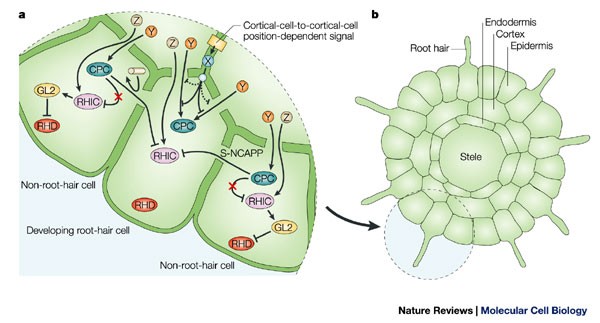
The identified microRNA helps rice navigate this complexity. By regulating gene expression, it determines whether a fungal presence should trigger defensive responses or cooperative tolerance. The root environment becomes a controlled negotiation space where molecular signals influence the outcome of each interaction.
Implications for Future Agriculture
How could microRNA research improve crop productivity and sustainability?
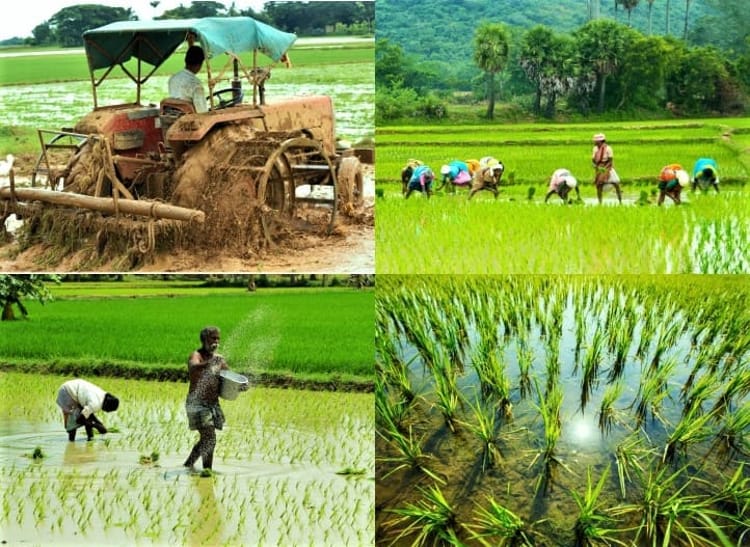

Understanding how plants regulate fungal relationships at the molecular level could reshape agricultural practices. If scientists can enhance or manipulate these regulatory pathways, crops may become better at forming beneficial partnerships while resisting harmful infections.
Such improvements could reduce dependence on chemical fertilizers, as stronger mycorrhizal relationships improve nutrient uptake naturally. At the same time, enhanced resistance to pathogenic fungi could lower the need for fungicides.
For rice, which feeds more than half of the global population, these advances could have significant implications for food security. Improving the plant’s internal regulatory systems may offer a more sustainable approach than relying solely on external inputs.
Beyond Rice: A Broader Biological Strategy
Do other plants use similar molecular systems to manage microbes?
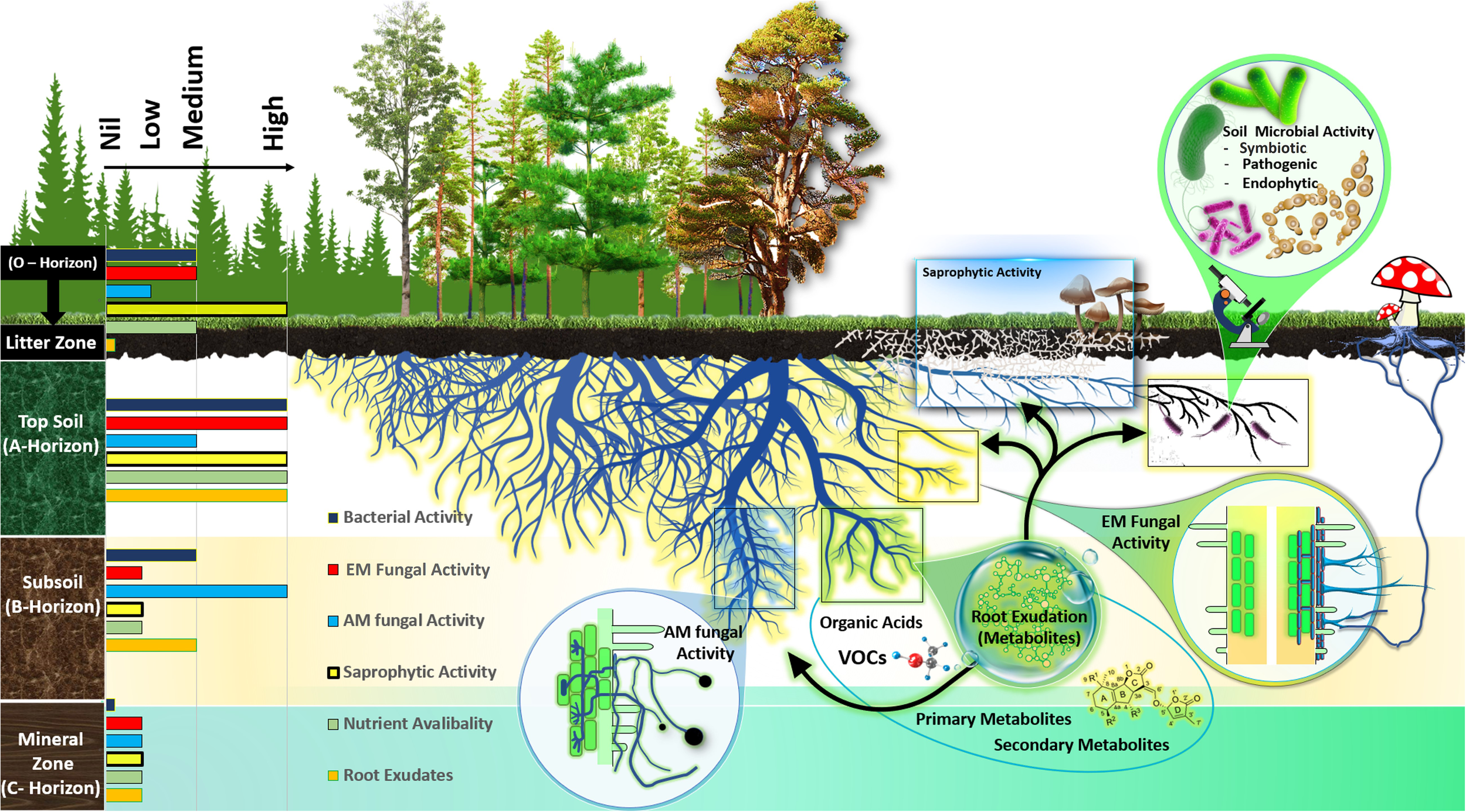
The discovery of miRNA-based regulation in rice suggests that similar mechanisms may exist across the plant kingdom. Many plants interact with complex microbial communities in soil, and managing these relationships is essential for survival.
MicroRNAs likely play a broader role in coordinating these interactions, helping plants interpret environmental signals and adjust their responses. This points to a universal strategy in which plants use molecular regulation to balance cooperation and defense.
Such systems may also intersect with emerging innovations in sustainable agriculture and biomaterials, where fungi are increasingly recognized as valuable partners rather than purely threats.
Rethinking Plant Intelligence
Are plants more biologically sophisticated than previously believed?
The discovery challenges traditional views of plants as passive organisms. Instead, it highlights their ability to process environmental information and respond through complex regulatory networks.
Through molecules like microRNA, plants monitor microbial activity, evaluate potential risks, and adjust gene expression accordingly. These processes form a kind of biochemical decision-making system that operates without a nervous system.
What appears to be a simple plant is, at the molecular level, an active system continuously interpreting and responding to its environment.
The Shift We Can’t Ignore
Why is this discovery important for the future of agriculture?


The identification of a rice microRNA that regulates fungal interactions reveals a new layer of complexity in plant biology. It suggests that future agricultural innovation may depend less on chemical inputs and more on understanding internal biological systems.
By harnessing these natural regulatory mechanisms, scientists may develop crops that cooperate more effectively with beneficial microbes, resist disease more efficiently, and adapt to environmental stress.
In a world facing increasing food demand and environmental pressure, the smallest molecular signals inside plant cells may hold some of the most powerful solutions.
❓ FAQ
What is microRNA (miRNA) in plants?
MicroRNA is a small RNA molecule that regulates gene expression by blocking the production of specific proteins. It helps control how plants respond to environmental signals, including interactions with microbes.
How does rice use miRNA to interact with fungi?
Rice uses specific miRNA to regulate genes involved in fungal responses. This allows the plant to either activate defenses against harmful fungi or permit beneficial fungi to colonize its roots.
What are mycorrhizal fungi and why are they important?
Mycorrhizal fungi form symbiotic relationships with plant roots, helping them absorb nutrients from the soil. In return, plants provide carbohydrates to the fungi, creating a mutually beneficial system.
Can this discovery improve agriculture?
Yes. By enhancing natural regulatory systems like miRNA, scientists may develop crops that require fewer fertilizers and pesticides while maintaining high productivity.
Do other plants use similar molecular systems?
Evidence suggests that many plants use microRNAs and similar regulatory mechanisms to manage interactions with microbes, indicating this may be a widespread biological strategy.