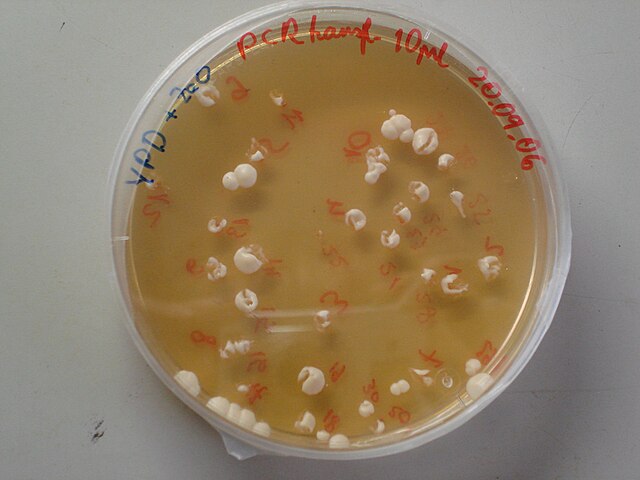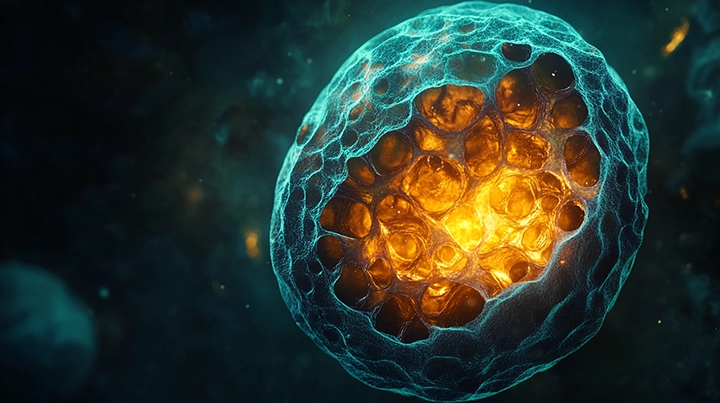
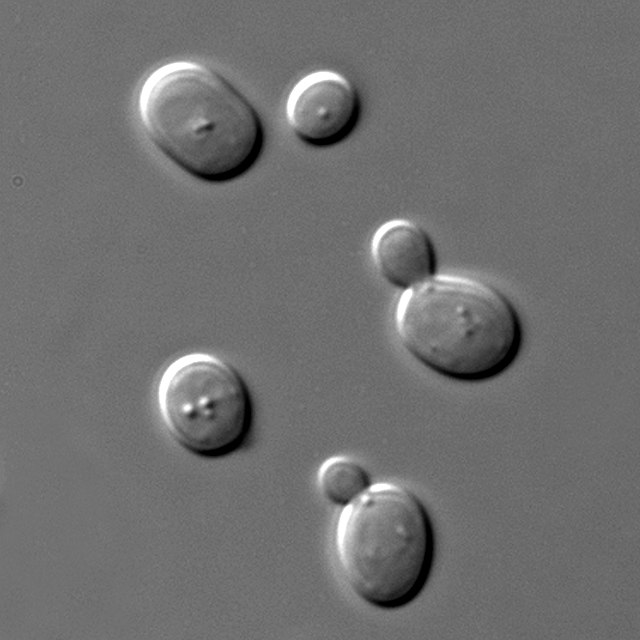
If you’ve never heard of Spathaspora passalidarum, you’re not alone. This tongue-twisting yeast has been quietly loitering in the shadow of industrial giants like Saccharomyces cerevisiae (S. cerevisiae)—until now. A new study has shined the lab light on this low-key microbe, and what it reveals might just shake up how we think about second-generation biofuels.
Let’s back up for a second. Second-gen bioethanol—the kind made from agricultural leftovers like corn stalks, wheat straw, or sugarcane bagasse—is the sustainability dream that keeps running into metabolic reality. These byproducts are loaded with a messy mix of sugars, and our usual microbial workhorses just aren’t up for the challenge. But S. passalidarum? It might be.
This isn’t the kind of yeast that parties with just glucose and calls it a night. It’s got a more diverse palate—and a few quirks that bioengineers, fermentation nerds, and climate optimists should all be paying attention to.
🧪 The Sugar Buffet Test: Mixed Plates, Mixed Results
In this study, S. passalidarum was invited to a metabolic all-you-can-eat buffet: hexoses, pentoses, disaccharides, sugar alcohols. Think: glucose, galactose, xylose, fructose, mannose, maltose, arabinose, glycerol—even lactose, which turned out to be the yeast equivalent of a snubbed salad at a steakhouse.
The results weren’t exactly uniform. Hexoses like glucose, galactose, and mannose were devoured with gusto, yielding a solid return of ethanol. Maltose joined the high-performance club too. Meanwhile, arabinose and glycerol were metabolized—just not for ethanol. They went toward biomass, or in arabinose’s case, arabitol. That’s a sugar alcohol, which isn’t useless, but it’s not what you pump into a bioethanol tank.
And lactose? Completely ignored. Sorry, dairy.
🔄 Sugar Politics: It’s Not Just What You Eat, But When
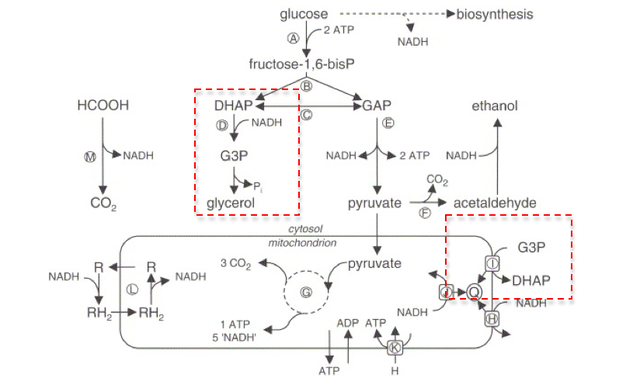
Now here’s where things get interesting—and a little neurotic. When S. passalidarum is working on xylose (a major sugar in plant biomass) and suddenly hexoses like glucose or galactose show up, it just… stops. Like someone mid-conversation dropping everything when cake enters the room. This isn’t just preference—it’s inhibition. Even non-metabolizable sugars like 2-deoxyglucose triggered the pause, suggesting early-stage regulation at the sugar uptake or phosphorylation level.
We call this the “sugar hierarchy problem.” And it’s not trivial. If you’re designing an industrial process to ferment biomass, sugar order and feeding strategy can make or break your yield timeline.
Strangely, fructose and sucrose didn’t cause this delay. Which means… there’s a loophole. And if there’s a loophole, there’s a process strategy waiting to be born.

🌬️ Oxygen: Not Just for Humans
The sugar story flips again when oxygen enters the chat.
In aerobic conditions, arabinose—useless under fermentation—gets converted into arabitol and biomass. Glycerol use also improves. Still no ethanol, but it hints at value in bioproduct diversification. So while these substrates might not be good fuel makers, they could be side hustles: biomass for protein, arabitol for food or pharma.
Translation: ethanol may not be the only ROI worth chasing.
🚧 The Industrial Red Flags
Before we get too excited, let’s get real. S. passalidarum is no magic wand.
It doesn’t tolerate ethanol well. In a production tank, that’s like a chef who gets dizzy in a kitchen.
It’s sensitive to inhibitors—furfural, HMF, and acetate—all of which are common in biomass hydrolysates.
The study didn’t even touch on gene expression, sugar transporters, or metabolic engineering. That’s a whole unexplored continent.
But none of these are deal-breakers. They’re checklists. And for microbial engineers, checklists are invitations.
🔬 What the Study Means for Biotech
So what’s the practical takeaway here?
Strain Engineering Is Inevitable
Want better ethanol tolerance or detox pathways? Time to get into the genome.
Process Design Must Get Smarter
Feed sugars in sequence, run detox steps, or build microbial teams. Co-cultures could help balance sugar types and byproduct tolerances.
Valorize Side Products
Don’t just chase ethanol. Arabitol or biomass have real market value in food tech, materials, and fine chemicals.
Learn the Regulation Game
Cracking the sugar uptake hierarchy could lead to smarter fermentation controls—and better yields, faster.
Test with Real Biomass
The study used pure sugars. That’s nice, but the real world is messier. Let’s see how S. passalidarum performs in actual bagasse soup.
🍷 So, Is Spathaspora Worth the Hype?
She’s not flawless. She’s not fast. She’s not even that famous. But Spathaspora passalidarum is a rare yeast that offers metabolic range, sugar flexibility, and a quiet kind of resilience. She might not replace S. cerevisiae on the fermentation throne anytime soon—but she doesn’t have to. What she offers is niche power.
In the evolving drama of climate change and renewable energy, we don’t just need one hero microbe. We need an ensemble cast. S. passalidarum may be the indie darling, the supporting actor with surprising depth, the one who—once you give her the right stage—could deliver a performance that shifts the storyline.
Because in the biofuel world, turning waste into power isn’t just about fermentation. It’s about flexibility. And in that department, this shadow-dwelling yeast just might shine.