The Rise of the Unseen Invaders
Fungi have long played a background role in nature—decomposing wood, cycling nutrients, and, for the most part, staying out of the limelight. But as the National Geographic investigation reveals, a new era is here: fungal pathogens are no longer content with the shadows. They are stepping onto the center stage of infectious disease, confronting humanity with challenges we’re only beginning to understand.
What’s fueling this transformation? The answer is complex: a warming planet, booming global trade, rapid urban expansion, rising numbers of immunosuppressed individuals, and healthcare systems still catching up to the mycological threat. Each of these forces, alone, might have kept fungi in check. Together, they’ve created a perfect storm—one that now threatens to become a persistent global health emergency.
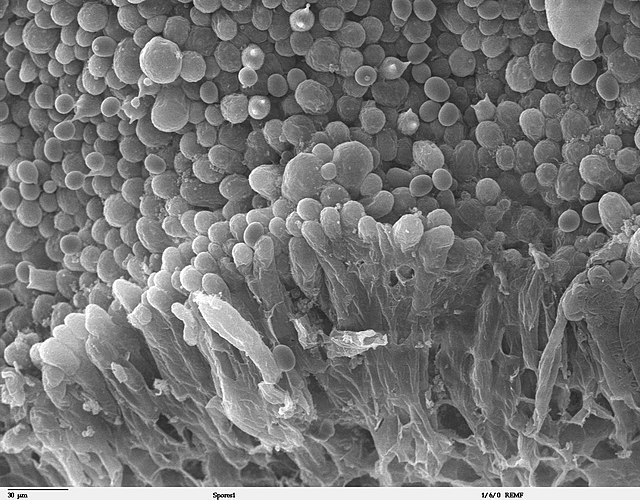
When Fungi Mimic Cancer
The National Geographic feature opens with a case that could have come from a medical thriller. A patient presents with what appears to be a classic lung tumor. But beneath the microscope, the invader isn’t cancer—it’s Cryptococcus gattii, a fungus whose natural home is in eucalyptus forests, not North American lungs.
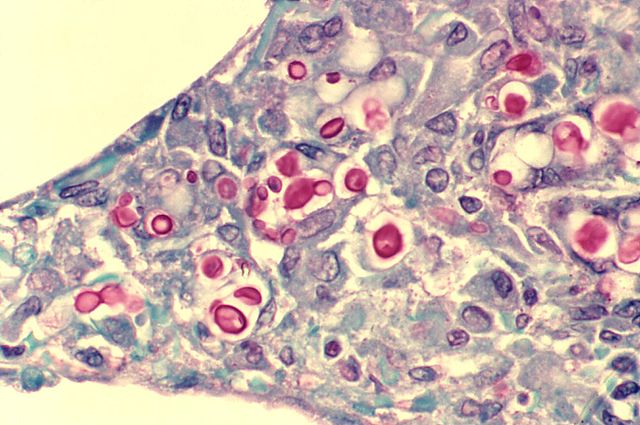
This kind of misdirection isn’t unusual. Fungi are infamous for masquerading as other diseases, causing doctors to treat the wrong culprit until it’s too late. What’s new is the setting: C. gattii is now popping up far from its tropical home, flourishing in new geographies as climate patterns shift.
The case illustrates a wider pattern: fungal pathogens are rewriting the map of infectious disease, moving into areas once considered safe from their reach.
Climate, Trade, and the Great Fungal Migration
Fungi are master hitchhikers. Their spores ride the wind, slip into cargo containers, cling to hiking boots, and hitch lifts on the roots of imported plants. The article details how, thanks to international trade and changing ecosystems, fungi that once moved at the pace of nature now traverse continents in days.
But it’s not just globalization. Climate change is transforming entire regions, making them more hospitable to fungal growth. Hotter, wetter, and sometimes more extreme weather patterns help fungi like Histoplasma, Blastomyces, and Coccidioides establish footholds far outside their traditional ranges.
No longer are these diseases “tropical oddities.” Outbreaks are now being reported in urban hospitals and temperate regions, surprising doctors and public health officials alike.
Invisible Until It’s Too Late
One of the most chilling facts? Fungal infections often go unrecognized until the damage is done. Fungi grow slowly, and their diseases can mimic everything from pneumonia to cancer. Patients may be misdiagnosed, or doctors may not even think to test for a fungal cause—delaying treatment by days, weeks, or even months.
In hospital settings, the stealth of fungi is particularly dangerous. Molds like Aspergillus can colonize ventilation systems or survive on surfaces for weeks, while yeast like Candida auris can quietly move from patient to patient in ICUs.

Unlike viral or bacterial outbreaks, fungal epidemics rarely produce dramatic spikes in fevers or coughs. Instead, they creep through vulnerable populations, often untracked and unreported.
Meet the Disease Detectives
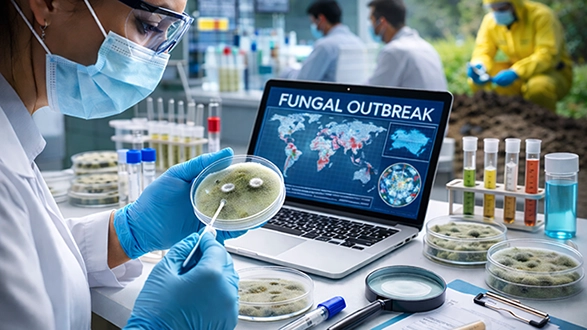
But there’s hope. The article profiles a new generation of mycological detectives—microbiologists, epidemiologists, and physicians using modern tools and old-fashioned gumption to track, identify, and stop fungal outbreaks.
Genomics and rapid DNA sequencing are enabling real-time identification of fungal strains, even in the field.
Environmental sampling after outbreaks—taking soil, air, or water specimens—can reveal hidden fungal reservoirs. Big data and climate modeling are now used to predict where the next outbreaks may hit, guiding prevention and preparedness.

Global fungal databases are being built, cataloging everything from rare pathogens to everyday environmental molds. One key technology is the portable DNA sequencer—allowing frontline health workers to identify fungal DNA on-site within hours, a quantum leap from the weeks it once took.
Public Health’s Next Frontier
Fungi are the neglected frontier of public health. Unlike viruses, they don’t always trigger mandatory reporting. Unlike bacteria, they’re not always covered by standard hospital surveillance. They’re the stealth agents of the infectious world: silent, adaptable, and—at times—deadly.
The article’s message is urgent: upgrading fungal diagnostics, boosting disease surveillance, and investing in mycology research must become global priorities. If we fail, fungal outbreaks will become more frequent, more severe, and more resistant to current treatments. The “quiet outbreak” could soon become a deafening public health crisis.

Fungal pathogens are no longer fringe players. They are medical puzzles, ecological opportunists, and survivors in a rapidly changing world. Their slow, subtle invasion is one of the great untold stories of our time. But thanks to advances in surveillance, genomics, and a new generation of dedicated fungal sleuths, we have the tools to fight back.
This is a call to action—for policymakers, scientists, and the public:
Fungi matter. Understanding their outbreaks may be one of the most crucial health frontiers of the coming decades.