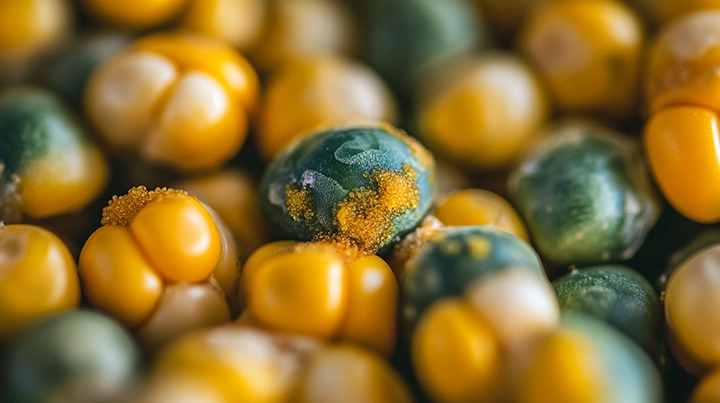

In laboratories across the United States, a faint lilac-colored mold has begun to appear more often than before. Its name is Purpureocillium lilacinum — formerly known as Paecilomyces lilacinus. Once dismissed as a harmless environmental fungus, it’s now showing up more frequently in diagnostic cultures.
According to a new study published in Emerging Infectious Diseases, detections rose from 56.6 to 74.3 per 100,000 fungal culture samples between 2019 and 2025. The numbers may look small, but to epidemiologists, they whisper a story: a quiet shift in the fungal landscape.
The increase is most noticeable in the South Atlantic and Pacific regions of the U.S.—areas known for warmth and humidity, much like tropical parts of Asia. Scientists still don’t know whether this rise reflects a real ecological change or just better detection methods and more samples. But one thing is clear: P. lilacinum is stepping out of obscurity and into the scientific spotlight.
A Double Life: Harmless Helper or Hidden Threat?

This fungus lives a double life. It’s known to degrade plastics, parasitize nematodes, and inhabit soil and plant roots. Yet, in rare cases, it can infect humans—causing keratitis, infections around implants, or skin lesions in people with weakened immune systems.
For most of us, it’s just another invisible passenger in the air. But for hospitals, labs, and industries, its presence is a subtle warning. The boundary between “environmental mold” and “pathogen” isn’t as solid as we thought.
More Than Numbers: A Changing Ecological Map
The significance of this research goes beyond the numbers. It’s a reminder that molds are not static villains—they evolve alongside the environments we create.
Warmer climates, higher humidity, and synthetic materials have opened new ecological doors. What we label as “contamination” may actually be evidence of environmental transformation. From hospital ventilation systems to cosmetic factories, molds like P. lilacinum are quietly mapping the microbial fingerprint of modern life.
Taxonomy and the Expanding Fungal Frontier

Recent taxonomic work such as A taxonomic and phylogenetic revision of the genus Paecilomyces (published in Studies in Mycology) has clarified that P. lilacinum and its relatives occupy a diverse ecological niche far beyond human disease.
Likewise, reviews in Frontiers in Fungal Biology have emphasized how global warming and industrial materials are encouraging rare molds to thrive in unexpected habitats.
The Epidemiological Perspective
For now, the Centers for Disease Control and Prevention (CDC) and clinical mycologists agree: there’s no confirmed surge in infections, only in detections. But this pattern invites a question—should environmental monitoring broaden its scope?
Fungi that rarely make the headlines might soon become the indicators of deeper ecological shifts. In the world of mold prevention, recognizing these subtle changes could be the key to anticipating the next wave of microbial adaptation.
The Mirror Effect: What Mold Reflects About Us
Molds have always been mirrors of the world we live in. They don’t speak, yet they record everything—the humidity of our homes, the materials we build with, the warmth of our cities.
When laboratories start growing more lilac colonies than before, it may not just be a scientific curiosity. It could be nature’s quiet reminder that even at the microscopic scale, the world is changing.
References
- Luangsa-ard, J. et al. (2011). A taxonomic and phylogenetic revision of the genus Paecilomyces. Studies in Mycology, 70, 1–36. DOI: 10.3114/sim.2011.70.01
- CDC (2025). Emerging Infectious Diseases: Trends in Environmental Mold Detection, 2019–2025.
- Frontiers in Fungal Biology (2024). Environmental adaptation and rare fungal emergence under climate stress.
- Samson, R. A., et al. (2023). Global distribution of Purpureocillium lilacinum and its clinical implications.Mycopathologia, 188(2), 115–127.