
India’s Fungal Front: A Crisis Grows in the Shadows
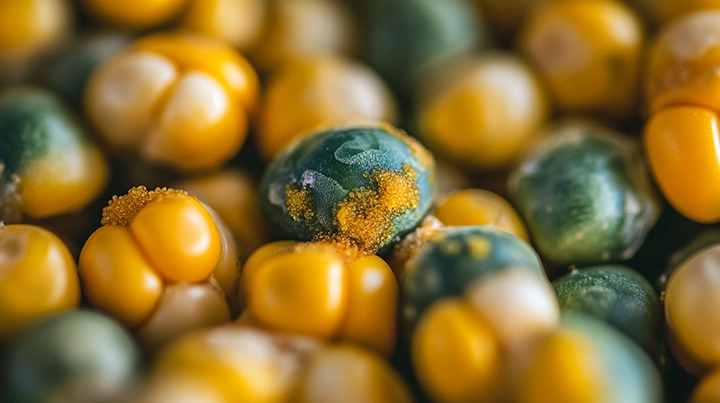
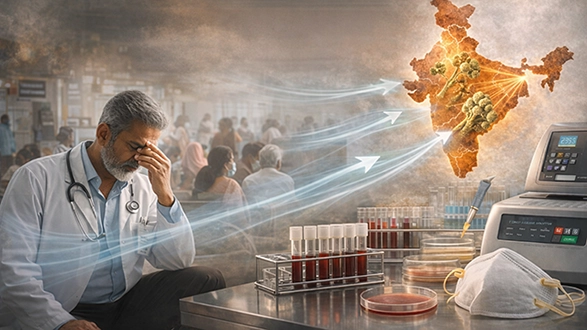
As 2026 unfolds, India stands at the heart of a quiet but formidable epidemic—one not driven by bacteria or viruses, but by fungi. From lingering skin rashes to life-threatening hospital infections, the surge in fungal diseases is as relentless as it is overlooked. But while these infections climb, the country’s capacity to diagnose and control them continues to fall behind—a gap that could soon have global consequences.
A revealing investigation by India Today lays out the uncomfortable truth: multiple forces are conspiring to make India the world’s fungal hotspot, and unless action is taken soon, the situation may only worsen.

Climate, Crowds, and the Hidden Chemistry of Fungi
The drivers of India’s fungal surge are as tangled as the roots beneath a rainforest. At the core lies a shifting climate. India’s weather is hotter, wetter, and more extreme than ever, and sprawling cities generate their own heat islands, creating perfect microclimates for fungal spores to multiply. High humidity fills urban air with invisible pathogens, while poorly ventilated buildings trap that moisture, giving fungi free rein to colonize walls, clothes, and even hospital surfaces.
Yet climate is only part of the puzzle. Social and medical practices have also played a role, especially the widespread and often unregulated use of antibiotics. These drugs, readily available and frequently self-prescribed, may save lives from bacterial infections but also disrupt the body’s natural microbial balance. The destruction of protective “good” bacteria leaves a void that fungi are all too eager to fill, resulting in outbreaks of conditions like oral thrush, vaginal candidiasis, and stubborn ringworm.
Overlaying this is the impact of the COVID-19 pandemic. During the worst waves, many patients—particularly those treated with high-dose steroids or who had diabetes—became highly susceptible to invasive fungi. The mucormycosiscrisis of 2021 was only the most visible sign; less spectacular, but equally concerning, is the ongoing wave of post-COVID fungal disease now rippling through communities and clinics.

The Diagnostic Dilemma: Why So Many Cases Slip Through
The true scale of the crisis remains obscured by the weaknesses of India’s healthcare infrastructure. The tools required to reliably identify fungal infections—laboratory cultures, histopathology, PCR—are specialized, expensive, and often missing in rural clinics and even urban hospitals. Many physicians, faced with ambiguous symptoms and a lack of testing resources, are forced to rely on their clinical instincts alone. This approach can easily miss mixed or atypical infections, leading to misdiagnosis and mistreatment.
Even in the country’s top hospitals, mycology is an underdeveloped specialty. Few doctors receive formal training in fungal diagnostics, and many labs lack the right culture media and growth conditions to isolate elusive pathogens.
MycoNet and the Government’s Response: Hope on the Horizon?
In response to the growing threat, the Indian Council of Medical Research has proposed a bold solution: MycoNet, a national surveillance network for fungal disease. The vision is ambitious—modernized laboratories, rapid molecular tests, and a comprehensive clinical registry that would track infections across the country. Training for doctors and lab technicians is also a priority, aiming to inject new expertise into a field that’s been long overlooked.
Yet despite these plans, progress is slow and uneven. Upgrades are concentrated in urban centers, leaving India’s vast rural population largely outside the safety net.

Treatment Under Siege: Drug Resistance and Accessibility
Even when fungal disease is recognized, effective treatment is not guaranteed. Over-the-counter creams containing mixtures of steroids and antifungals have become popular, especially for skin conditions. While convenient, this practice has inadvertently fostered the emergence of drug-resistant fungi, particularly Trichophyton indotineae, which is now impervious to terbinafine—formerly the gold standard for ringworm.
Meanwhile, medications for the most dangerous infections, such as liposomal amphotericin B and new-generation azoles, are prohibitively expensive and scarce outside big cities.
A Global Warning from India’s Mycology Gap
India’s experience is not just a local tragedy—it’s a warning to the world. The conditions driving the surge—climate instability, antimicrobial misuse, population density, and underfunded health systems—are spreading globally. If action isn’t taken to strengthen fungal diagnostics, surveillance, and stewardship, today’s Indian crisis could become tomorrow’s global emergency.

References
Academic Literature
- Chowdhary, A. et al. (2022). Emergence of antifungal-resistant dermatophytes in India. The Lancet Infectious Diseases. DOI: 10.1016/S1473-3099(22)00191-6
- Fisher, M. C. et al. (2022). Tackling the emerging threat of fungal infections. Nature Reviews Microbiology. DOI: 10.1038/s41579-022-00699-1
Official & Government Sources
- Indian Council of Medical Research (ICMR). Fungal disease surveillance initiatives.
- World Health Organization (WHO). Fungal priority pathogens list (2022).