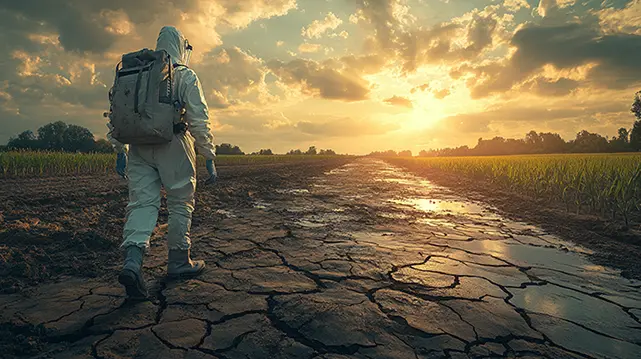
Mold is everywhere—it’s floating in the air we breathe, clinging to the surfaces we touch, and hiding in the soil beneath our feet. But here’s the thing: climate change isn’t just making the planet hotter—it’s rewiring how mold and fungi behave in ways we never anticipated.
For centuries, fungi and plants have existed in a delicate balance. Some fungi serve as essential partners, helping plants absorb nutrients and withstand harsh conditions. Others act as opportunistic parasites, attacking weakened plants and spreading fungal diseases. But as global temperatures rise and weather patterns shift, these underground networks are changing—and not in our favor.
The question is, will climate change create an explosion of plant-destroying fungal outbreaks, or will fungi become an even bigger part of our survival? The truth is, we’re already seeing both—and the consequences for agriculture, food security, and human health are massive.
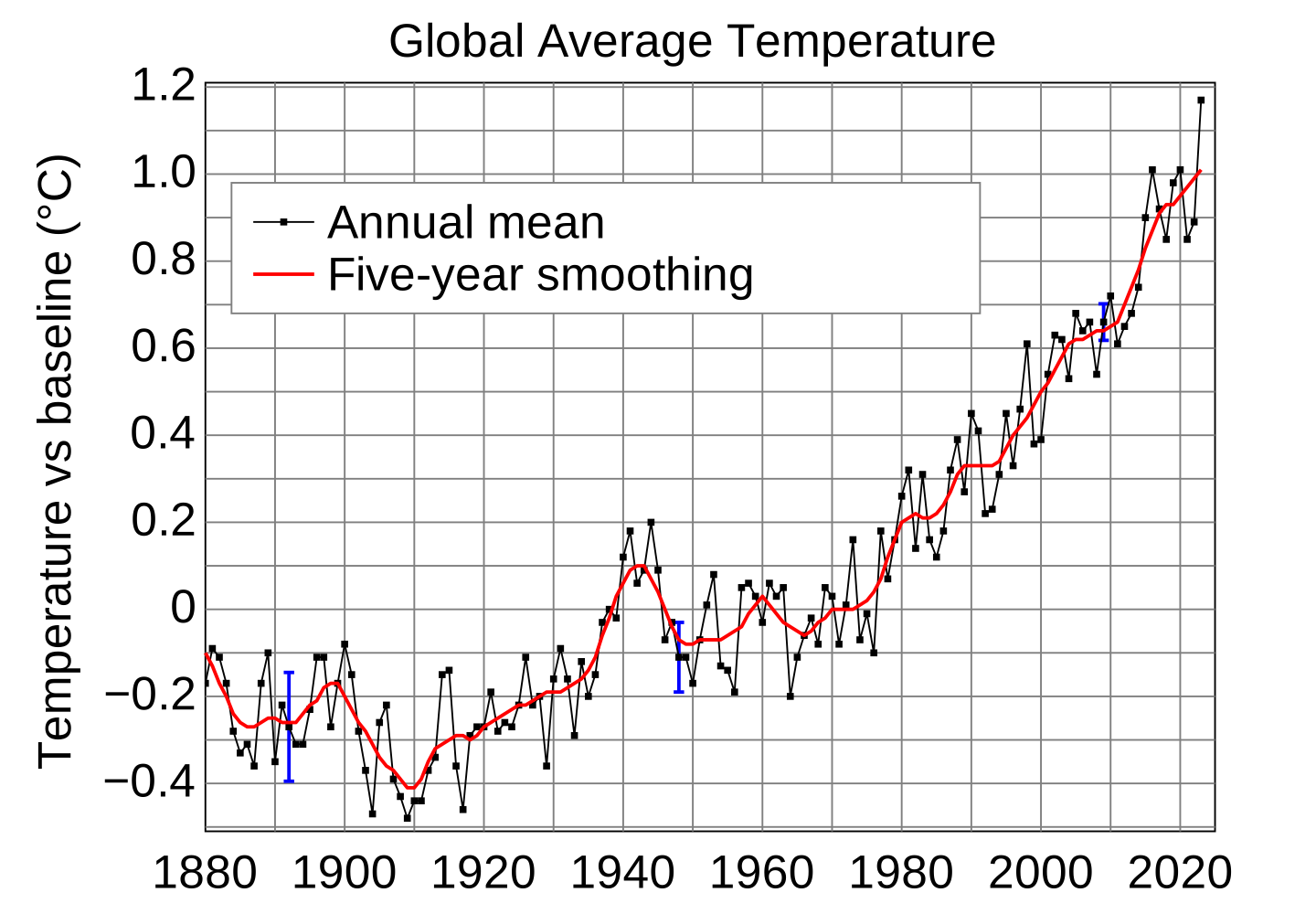
Source: Wikimedia Commons, CC BY-SA 4.0
Mold’s New Playground: How Climate Change Fuels Fungal Growth
It’s no secret that mold thrives in warm, humid environments—so it’s no surprise that climate change is supercharging its spread. Rising temperatures, increased humidity, and extreme weather events are setting the stage for fungi to spread further, reproduce faster, and attack new regions.
Take flooding, for example. When hurricanes or torrential rains hit, moisture lingers for weeks, creating a perfect breeding ground for mold in fields, homes, and storage facilities. Droughts don’t stop the problem either—instead, they weaken plants, making them even more vulnerable to fungal diseases.
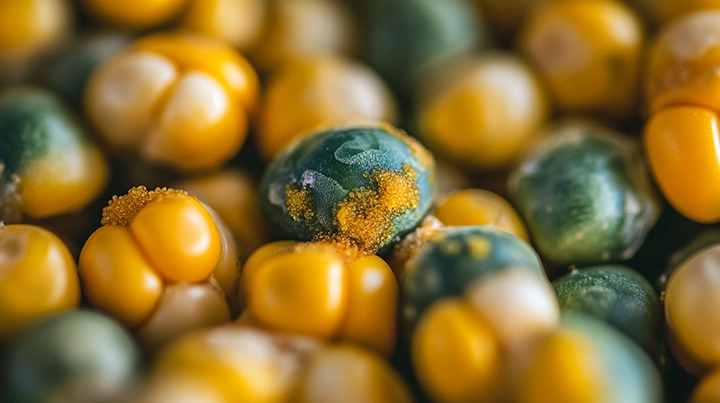
And fungi don’t just stop at killing crops—they contaminate them. In agricultural regions where humidity is rising, mycotoxins —toxic substances produced by mold—are infiltrating our food supply. Mycotoxins are invisible, tasteless, and heat-resistant, meaning they survive food processing and land on our plates undetected.
What does this mean? A growing number of people are unknowingly consuming toxic mold.

Source: Wikimedia Commons, CC BY-SA 2.0
From Ally to Enemy: How Fungi and Plants are Adapting to Climate Stress
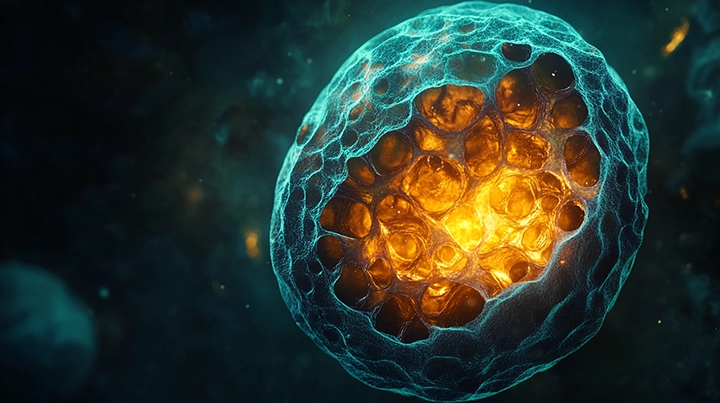
Fungi have always played a crucial role in plant life. About 90% of all plants form partnerships with mycorrhizal fungi—microscopic networks that help plants absorb water and nutrients from the soil. In return, plants supply fungi with sugars produced through photosynthesis. It’s a win-win relationship.
But what happens when climate change disrupts the balance?
Some plants are leaning on fungi more than ever to survive. Scientists studying orchids have found that some species now switch between photosynthesis and stealing nutrients from fungi depending on the conditions. Could other plants follow suit? Could fungi become a lifeline for survival?
On the flip side, some fungi are turning against plants. Warmer temperatures are worsening plant fungal diseases, leading to outbreaks of crop-destroying pathogens that farmers never had to deal with before. If climate change keeps pushing fungi to adapt, could we see more plant-destroying fungal epidemics than ever?
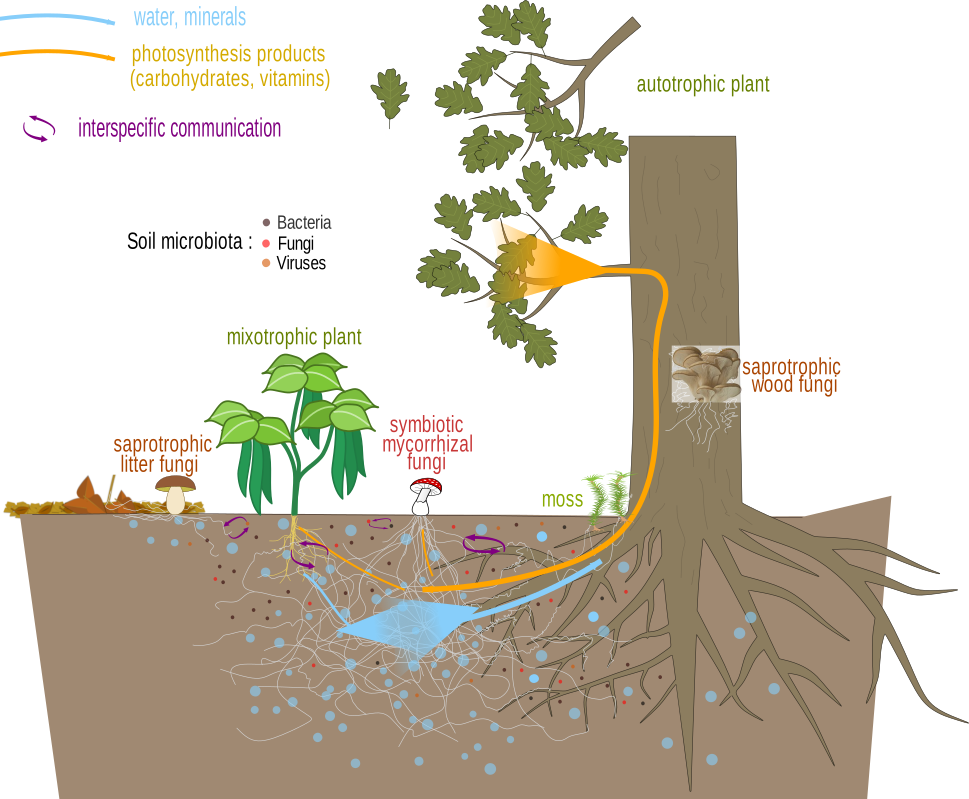
Source: Wikimedia Commons, CC BY-SA 4.0
The Hidden Crisis: Mycotoxins in Our Food
Mold isn’t just creeping up your bathroom walls—it’s hiding in your food, and climate change is making it worse.
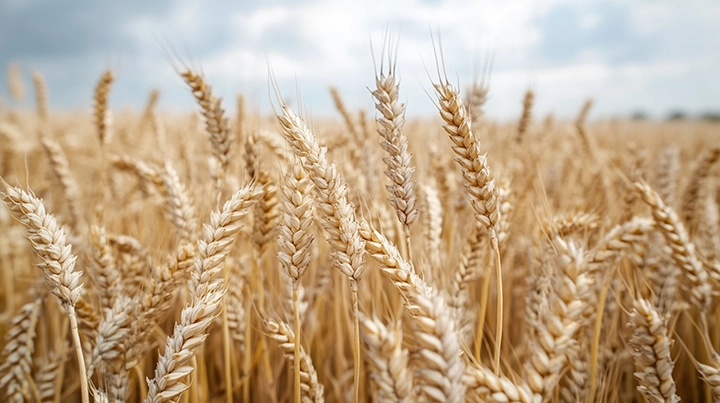
The World Health Organization (WHO) has been raising red flags for years: crops like wheat, corn, and peanuts are especially vulnerable to fungal contamination. When exposed to heat waves, floods, and unpredictable weather, these crops become breeding grounds for mold that produces dangerous toxins.
Here’s the terrifying part—mycotoxins don’t disappear.
Unlike bacteria, you can’t cook them out. You can’t wash them off. Once they infect a batch of grain, they’re there to stay—and many contaminated crops still make it into the global food supply.
The regions affected are expanding—places that never had to deal with mold-contaminated crops before are suddenly seeing outbreaks. Scientists are racing to contain the problem, but mold is adapting faster than we can stop it.
If we don’t act fast, this isn’t just going to be an agricultural problem—it’s going to be a food security disaster.

Source: Wikimedia Commons, CC BY-SA 3.0
Fighting Back: Can Biotechnology Help Control the Fungal Threat?
Mold is adapting to climate change. Shouldn’t we evolve our defenses too?
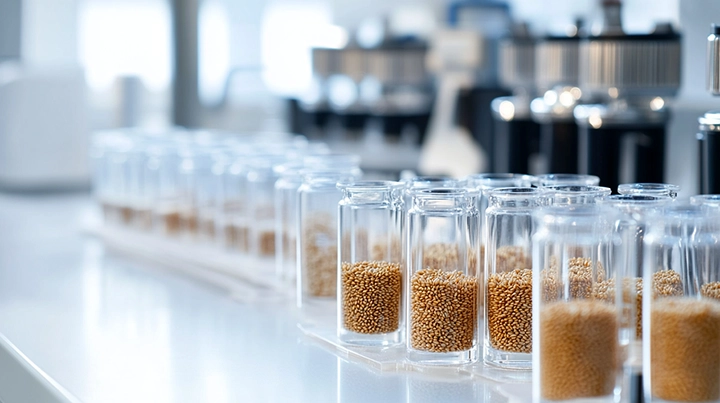
Scientists around the world are racing to develop smarter ways to protect crops, reduce mold contamination, and prevent food shortages.
One of the most promising solutions? Genetically engineered crops that resist fungal infections. By modifying plant genetics, researchers are creating varieties that fight mold from the inside out, reducing the need for chemical fungicides that mold is already outsmarting.
But biotech solutions don’t stop there. Some experts are looking at fungi not as the enemy, but as an ally. Beneficial fungi help plants absorb nutrients, improve soil health, and even block harmful mold from taking over. If we can strengthen these natural fungal partnerships, we can make agriculture more resilient against climate threats.
And then there’s AI-powered detection systems. New biosensors and real-time monitoring tools are already scanning crops and food shipments for contamination before they spread. These technologies could prevent billions in food losses while keeping toxic mold off supermarket shelves.
But could we go even further? Some researchers are exploring fungal gene editing—altering fungi themselves to stop producing mycotoxins altogether. If we could silence the genes that create toxic mold, we wouldn’t just reduce contamination—we’d eliminate the threat before it starts.
The future of food depends on how well we adapt to fungi’s rapid evolution. We’re in a race against time. If we don’t accelerate innovation, mold could outsmart us before we even see it coming.

Source: Wikimedia Commons, CC BY-SA 4.0
Final Warning: Mold Isn’t Waiting—Neither Should We
Fungi are evolving. Mold is spreading. The world is getting hotter.
This isn’t some distant threat—it’s happening right now.
Climate change is fueling massive fungal outbreaks, contaminating food, and pushing entire ecosystems toward instability. If we don’t act, mold will continue to silently infiltrate our food, weaken our crops, and pose new health risks on a global scale.
The worst part? We’re not ready.
We need real investment in research—not just studies, but actionable strategies that give farmers, scientists, and food regulators the tools to fight back. We need stronger agricultural protections, tighter food safety laws, and smarter detection systems to catch contamination before it spreads.
And this isn’t a fight any one country can win alone. Mold doesn’t care about borders. If one region fails to control fungal contamination, it spreads—through trade, through air, through ecosystems. Governments, scientists, and industry leaders must work together before this crisis spirals out of control.
Because once mold takes hold, it doesn’t just go away. It grows. And if we’re not ready to fight back, we’re already losing.
References
- IPCC – Climate Change Reports
- WHO – Mycotoxins Fact Sheet
- WHO – Food Safety
- CDC – Food Safety
- EPA – Indoor Humidity
- FAO – Agriculture and Food Security
- NCBI / Frontiers in Microbiology – Plant fungal disease references
- Wikimedia Commons images:
- Global Temperature Anomaly (CC BY-SA 4.0)
- Flooded field in Iowa (CC BY-SA 2.0)
- Mycorrhizal network (CC BY-SA 4.0)
- Lab work on plants (CC BY-SA 4.0)