Beneath Stability, a Hidden System
What keeps ecosystems stable over time?
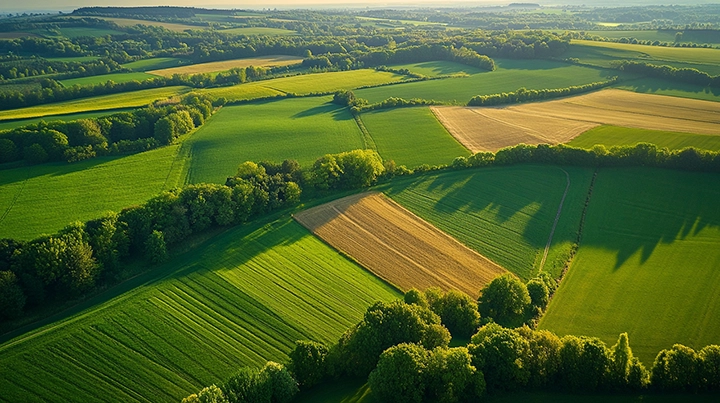
From a distance, ecosystems appear remarkably stable. Forests endure across seasons, grasslands recover after grazing, and wetlands continue filtering water year after year. This visual continuity creates the impression that ecosystems are fixed structures, anchored by trees, soil, and climate.
But stability is not stillness.
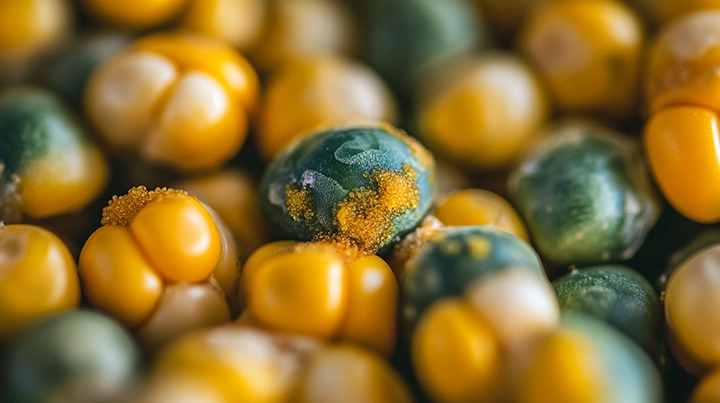
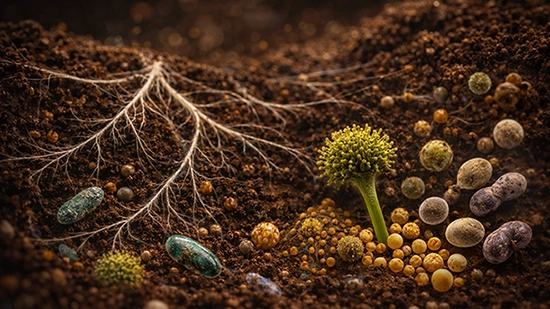
Ecosystems are constantly adjusting. Beneath the surface, a dense and dynamic world of microorganisms is continuously working to maintain balance. Bacteria, fungi, and other microbes regulate essential processes such as decomposition, nutrient cycling, and plant interactions.
These microscopic communities form the foundation of ecosystem function. Without them, the visible structures above ground would not persist.
Recent research emphasizes that microbial diversity is not simply supportive. It is essential. These communities act as an invisible system that allows ecosystems to endure change rather than collapse under it.


Diversity as a Biological Safety Net
Why does microbial diversity increase ecosystem resilience?
At the core of ecosystem resilience lies a simple but powerful principle: diversity creates stability.
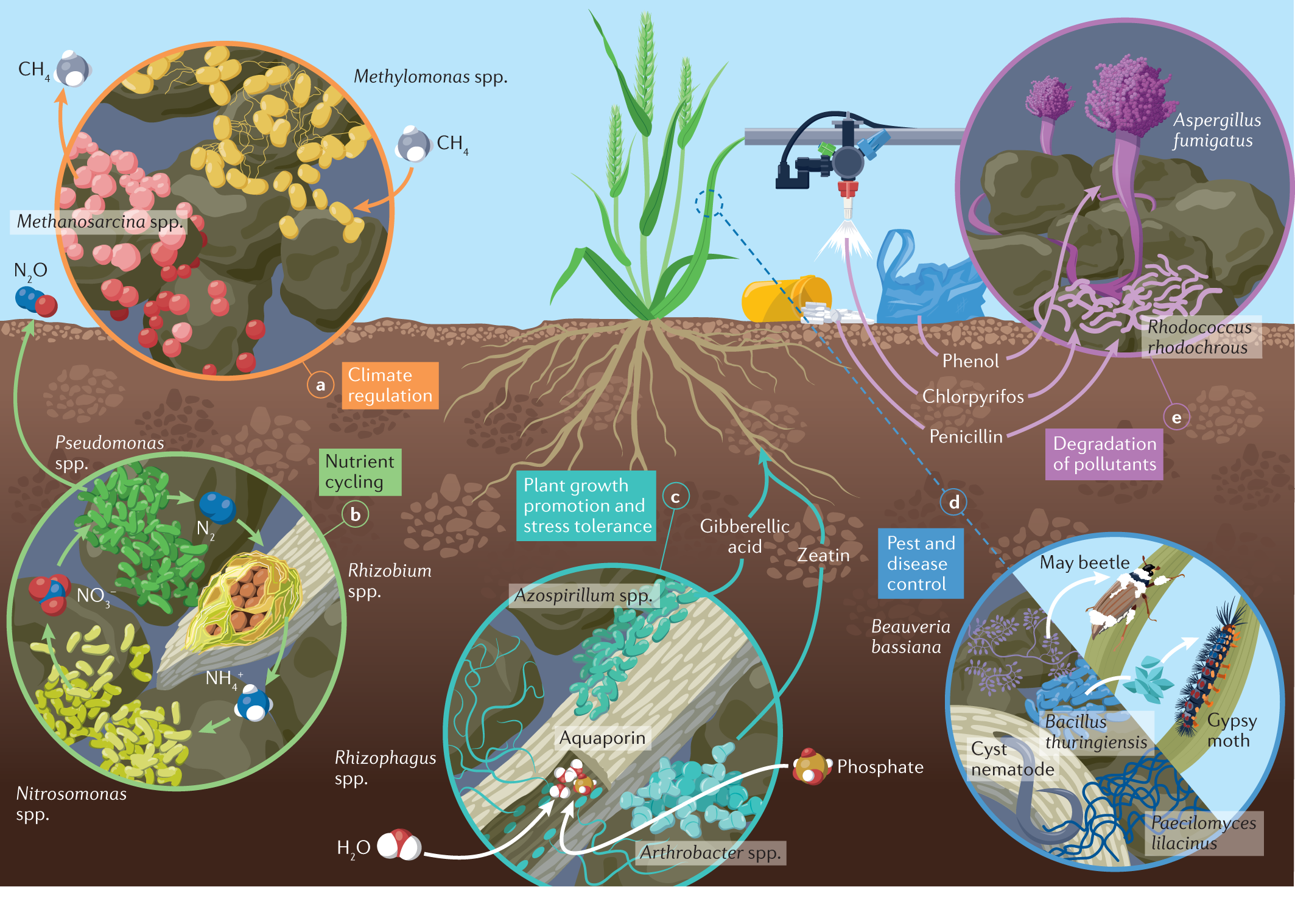
In highly diverse microbial communities, ecological functions are distributed across many species. Some microorganisms specialize in breaking down organic matter. Others cycle nutrients such as nitrogen and phosphorus. Still others form symbiotic relationships with plant roots, supporting growth and survival.
These roles are not assigned to a single organism. Instead, they overlap.
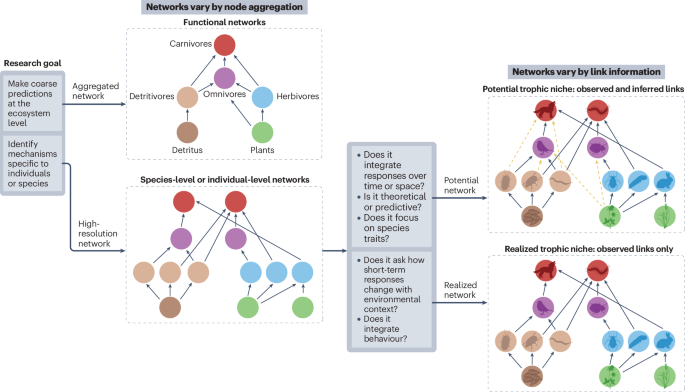
This overlap creates what scientists call functional redundancy. Multiple species can perform similar tasks, ensuring that if one group declines, others can continue the process.
When environmental conditions shift, not all microbes respond in the same way. Some species may struggle under stress, while others thrive. This variation prevents system-wide failure.
The result is a biological safety net. Instead of collapsing, the ecosystem reorganizes, maintaining its essential functions even as its internal composition changes.

Fungi as the Connective Layer
How do fungi contribute to ecosystem resilience?
Within microbial communities, fungi play a uniquely important role.
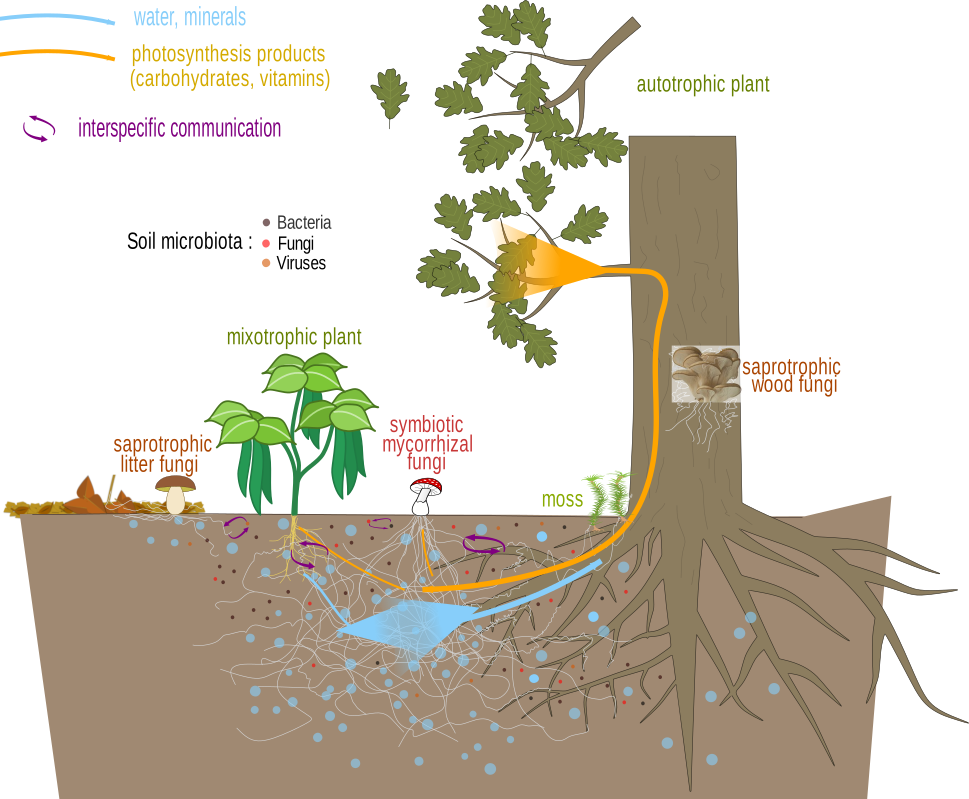
Their mycelium networks spread through soil as fine, thread-like structures, connecting plant roots and linking different parts of the ecosystem. These networks act as pathways for nutrients, water, and chemical signals.
Fungi contribute to resilience in several ways.
They decompose organic material, releasing nutrients that sustain plant growth. They form mycorrhizal partnerships with roots, enhancing the plant’s ability to absorb water and essential minerals. They also stabilize soil by binding particles together, improving structure and moisture retention.
During periods of stress, such as drought or heat, these functions become critical.
Fungal networks help maintain continuity. They allow ecosystems to keep functioning even when environmental conditions shift. Rather than reacting passively, fungi actively shape how ecosystems respond to disruption.
They are not just participants in resilience.
They are part of the mechanism that creates it.

Redefining Resilience
What does resilience really mean in ecosystems?
Resilience is often described as the ability of an ecosystem to recover after disturbance. While this is true, it does not capture the full picture.
A more accurate definition is continuity under stress.
A resilient ecosystem does not simply bounce back after disruption. It maintains its core processes during the disturbance itself. Nutrient cycling continues. Carbon storage remains functional. Biological productivity persists.
Microbial diversity makes this possible by distributing these processes across many organisms and pathways.
No single species carries the system. Instead, the system is shared.
This distributed structure allows ecosystems to absorb shocks without losing their essential functions. It is not about strength in isolation. It is about balance through complexity.
Climate Change and the Microbial Buffer
How does microbial diversity help ecosystems adapt to climate change?
Climate change introduces instability into ecosystems.
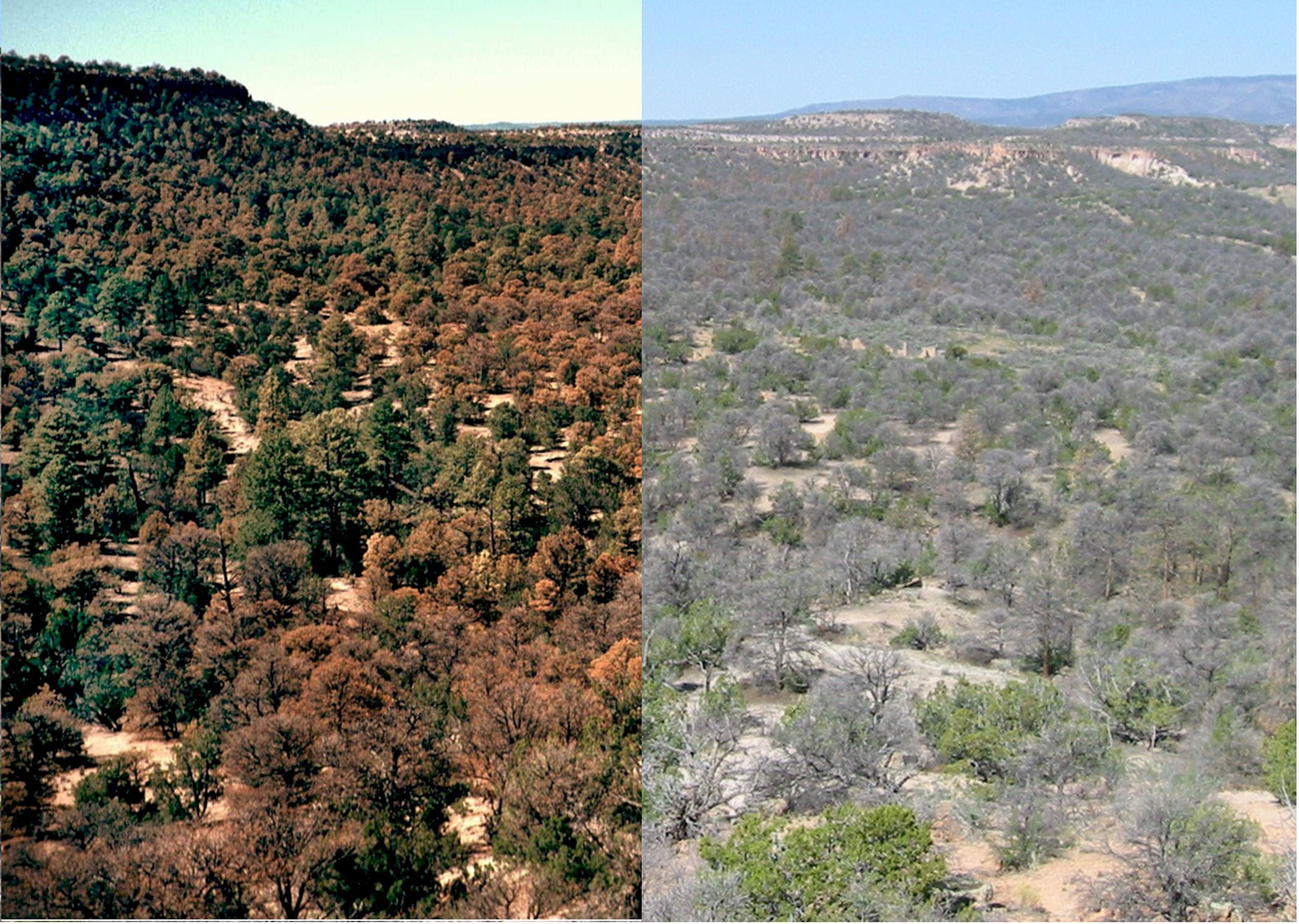
Rising temperatures, shifting rainfall patterns, and extreme weather events create conditions that challenge biological systems. Under these pressures, the role of microbial diversity becomes even more critical.
Ecosystems rich in microbial diversity have more options. Different species respond differently to stress, allowing the system to adjust internally. If one pathway weakens, another can take its place.
This flexibility allows ecosystems to maintain stability even as external conditions change.
In contrast, ecosystems with reduced microbial diversity are more vulnerable. Without redundancy, they lack the ability to compensate. When stress occurs, processes break down. Nutrient cycling slows, carbon may be released into the atmosphere, and recovery becomes more difficult.
Microbial diversity, in this context, acts as a buffer. It absorbs environmental variability and reduces the risk of system collapse.


The Risk of Simplified Systems
What happens when microbial diversity is reduced?
Many modern environmental pressures push ecosystems toward simplification.
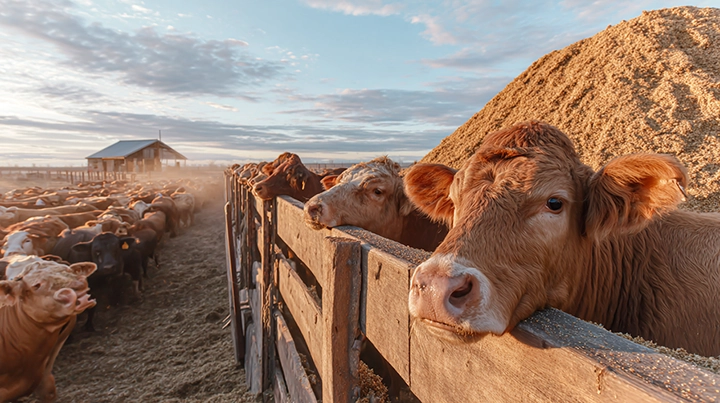
Intensive agriculture, monoculture planting, pollution, and land degradation all reduce microbial diversity. These practices disrupt the complexity that supports resilience.
In simplified systems, functions are concentrated in fewer organisms. This makes the system more fragile.
If a key microbial group is lost, there may be no replacement. Nutrient cycles can slow or stop. Soil structure weakens. Plant health declines. Recovery becomes uncertain.
The system may still function under stable conditions, but it becomes highly sensitive to disturbance.
This highlights a critical insight:
Diversity is not excess.
It is protection.


A Shift in Ecological Thinking
Why are microbes now seen as central to ecosystem function?
For much of scientific history, ecosystems were understood through what could be seen—plants, animals, and landscapes. Microbes were acknowledged, but often treated as background processes.
This perspective is changing.
Advances in molecular biology and ecological research have revealed that microbial communities are central drivers of ecosystem function. They influence processes that scale from soil chemistry to global carbon cycles.
Microbes regulate how nutrients move, how plants interact, and how ecosystems respond to environmental stress.
Recognizing this shifts the focus of ecology. It moves from a surface-level view to a systems-level understanding, where invisible networks play visible roles.
This shift also opens new possibilities. By understanding microbial diversity, scientists can better predict how ecosystems respond to change and design more effective restoration strategies.
MoldNewsHub Takeaway
Why is microbial diversity essential for the future of ecosystems?
Microbial diversity is not an optional feature of ecosystems. It is a core mechanism that enables stability, adaptability, and long-term survival.
By distributing ecological functions across many organisms, microbial communities ensure that ecosystems can continue operating even under stress.
As climate change intensifies and environmental pressures increase, protecting and restoring microbial diversity will become essential.
The stability we observe above ground is sustained by complexity below it.
Ecosystems endure not because they are simple, but because they are deeply interconnected.
❓ FAQ
What is microbial diversity?
Microbial diversity refers to the variety of microorganisms, including bacteria and fungi, within an ecosystem.
Why is microbial diversity important?
It ensures that essential ecological processes continue even when environmental conditions change.
How do fungi support ecosystem resilience?
Fungi connect plant roots, recycle nutrients, and stabilize soil, helping ecosystems maintain function during stress.
What happens when microbial diversity is lost?
Ecosystems become more fragile, with weaker nutrient cycles and reduced ability to recover from disturbances.
How does microbial diversity relate to climate change?
It helps ecosystems adapt to environmental variability, acting as a buffer against climate-related stress.
References
Academic Sources
Allison, S. D., & Martiny, J. B. H. (2008). Resistance, resilience, and redundancy in microbial communities. Proceedings of the National Academy of Sciences. https://doi.org/10.1073/pnas.0801925105
Wagg, C., et al. (2014). Soil biodiversity and soil community composition determine ecosystem multifunctionality. PNAS. https://doi.org/10.1073/pnas.1320054111
van der Heijden, M. G. A., et al. (2008). The unseen majority: soil microbes as drivers of plant diversity and productivity. Ecology Letters. https://doi.org/10.1111/j.1461-0248.2007.01139.x
Official Sources
Food and Agriculture Organization (FAO) – Soil biodiversity: https://www.fao.org
United Nations Environment Programme (UNEP) – Ecosystem resilience: https://www.unep.org