Why Is Mold Taking Over Our Food?
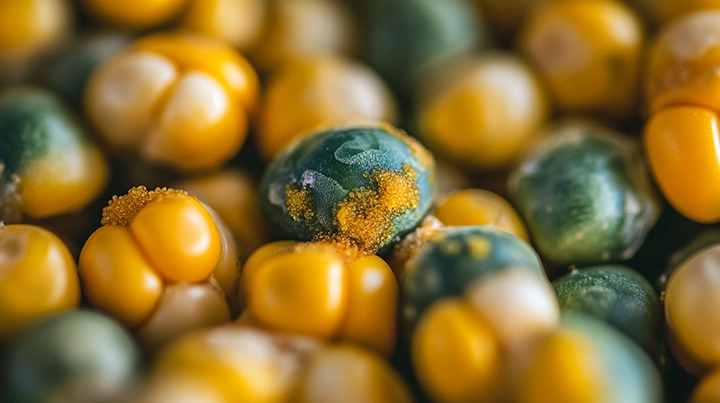
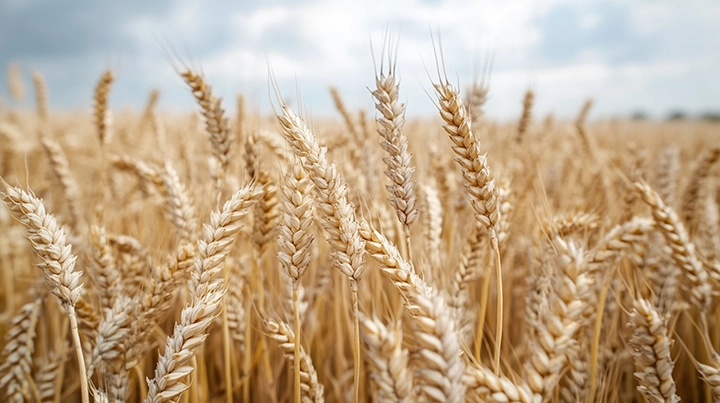
Mold isn’t just growing on old bread or damp walls—it’s infiltrating our food system in ways we’ve never seen before. Climate change is fueling warmer, wetter conditions, perfect for fungi to thrive. Crops are being stored longer, transported further, and exposed to higher humidity than ever before. This means one thing: more mold, more contamination, and more toxins making their way into our daily meals.
But here’s the real horror story—this isn’t just about spoiled food. Even after the mold is gone, it leaves behind something far more dangerous: mycotoxins.
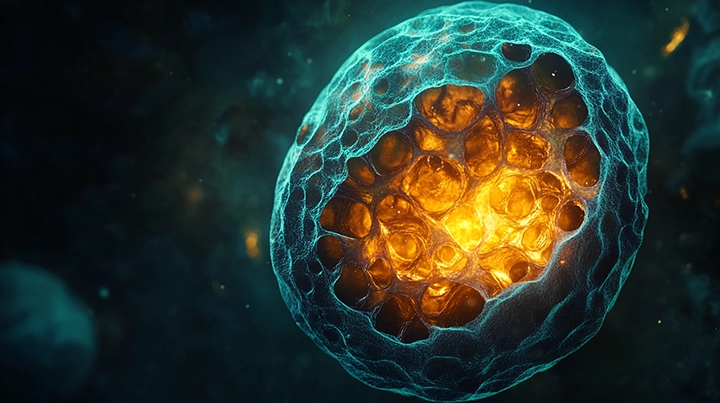
These invisible, tasteless, and odorless toxins aren’t just in the corners of forgotten food. They’re in your grains, dairy, coffee, wine, spices, and even baby food. And they don’t just sit there—they accumulate in your body over time, affecting your health in ways we’re only beginning to understand.
So why isn’t anyone talking about it?

Source: Wikimedia Commons, CC BY-SA 3.0
The Deadly Secret Hiding in Your Food
For decades, scientists have warned that mycotoxins are a ticking time bomb in our food system. Yet most of us have never heard of them. The latest data paints a terrifying picture:
- Nearly 80% of global food crops now contain detectable levels of mycotoxins.
- One in four food products exceed safety limits, yet these foods still make it to store shelves.
- Cooking, freezing, and washing do nothing—these toxins survive food processing and preparation.
Governments have focused heavily on bacteria like Salmonella and E. coli, which cause immediate illness. But mycotoxins are a different beast. Instead of causing food poisoning overnight, they quietly accumulate in the body, disrupting hormones, brain function, gut health, and immune response.
Here’s the scariest part: You’ve been eating them for years, and you didn’t even know it.

Source: Wikimedia Commons, CC BY-SA 3.0
How Mycotoxins Are Poisoning More Than Just Food
If you think this is just a bad batch of grain or a regional problem, think again. Mycotoxins don’t just affect food safety—they impact global health, agriculture, and economic stability.
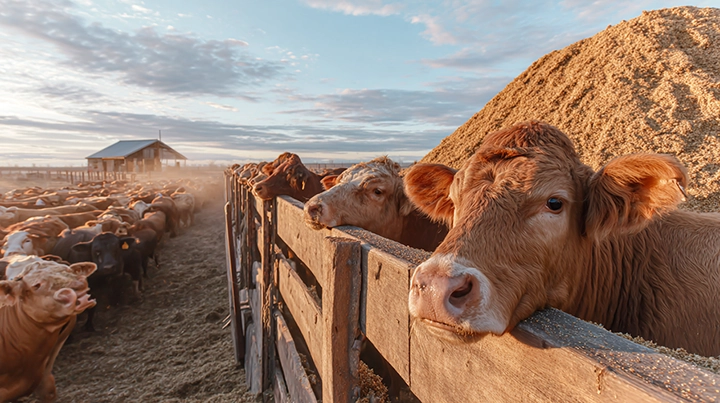
- Dairy and meat are not immune. When farm animals consume contaminated feed, mycotoxins pass directly into milk, cheese, butter, eggs, and meat.
- Coffee and wine—two of life’s luxuries—are among the worst offenders. Coffee beans and grapes are stored and fermented in humid conditions, creating an ideal breeding ground for mold. Most commercial coffee and wine brands contain mycotoxins at levels that go unregulated.
- Food inequality. Studies show that people in lower-income areas are at higher risk of exposure because they rely on cheaper, mass-produced foods—many of which contain higher mycotoxin levels.
Translation? Food safety isn’t just about contamination—it’s about privilege.

Source: Wikimedia Commons, CC BY-SA 3.0
Why This Threat Is Bigger Than You Think
Regulators only focus on high-dose mycotoxin exposure—the kind that causes acute poisoning. But what about the slow, silent exposure over decades?
- Some mycotoxins mimic estrogen, leading to hormone disruption, fertility issues, and early puberty in children.
- Others attack the nervous system, contributing to brain fog, memory loss, and early cognitive decline.
- The gut microbiome is being silently damaged, leading to chronic inflammation, autoimmune diseases, and metabolic disorders.
- And then there’s cancer. Aflatoxin B1 is one of the most potent carcinogens known, directly linked to liver cancer.
Beyond personal health, mycotoxins are a massive financial burden:
- Billions lost in contaminated crops every year.
- Rejected shipments disrupting international food trade.
- Rising food waste and higher consumer costs.
The Urgent Actions Needed to Prevent a Food Safety Collapse
We are running out of time to contain the mycotoxin crisis. Governments and food regulators need to act now before this turns into a full-scale public health disaster.
- Food testing systems must be overhauled. Current methods fail to detect real-world contamination levels. Testing should be more frequent and widespread, covering both fresh and processed foods.
- Agriculture must adapt. We need fungal-resistant crops, better storage, and modern transport to cut contamination at the source.
- Regulations must expand. Mycotoxins aren’t just in food—they’re in water. Drinking water should be tested, yet most laws focus only on bacteria and metals.
- Rethink fungicide use. Some pesticides make fungal resistance worse. Smarter policy is essential.
- Consumers must be informed. Labeling laws should require companies to disclose mycotoxin testing results.
If we fail to act, food safety will collapse, chronic disease rates will soar, and governments will be left scrambling to contain the damage.

Source: Wikimedia Commons, CC BY-SA 3.0
Final Thought: The Hidden Food Crisis We Can’t Ignore
The real mycotoxin crisis isn’t just about food contamination—it’s about how exposure is rewriting human health.
If mycotoxin exposure continues to rise, we may see entire food systems collapse within our lifetime. Chronic diseases will continue to climb, and families will be left wondering why their health is deteriorating despite eating what they thought was “clean” food.
We are running out of time to stop this.
No one should have to wonder if their child’s breakfast or their morning coffee is slowly harming them. The time to act is now.
So what will it take for real change to happen? And will we act before it’s too late?

Source: Wikimedia Commons, CC BY-SA 4.0
References
- FAO – Mycotoxins and Food Safety
- WHO – Mycotoxins Fact Sheet
- NIH – Mycotoxins in Drinking Water
- National Cancer Institute – Aflatoxins and Cancer Risk
- Mold – Wikipedia
- Mycotoxin – Wikipedia
- Wikimedia Commons images:
- Moldy corn (CC BY-SA 3.0)
- Mold spores microscope (CC BY-SA 3.0)
- Coffee beans drying (CC BY-SA 3.0)
- Grain silos (CC BY-SA 3.0)
- Grapes with mold (CC BY-SA 4.0)