Beneath the Forest Floor, a Different Economy
How do fungi control what happens to carbon in forests?
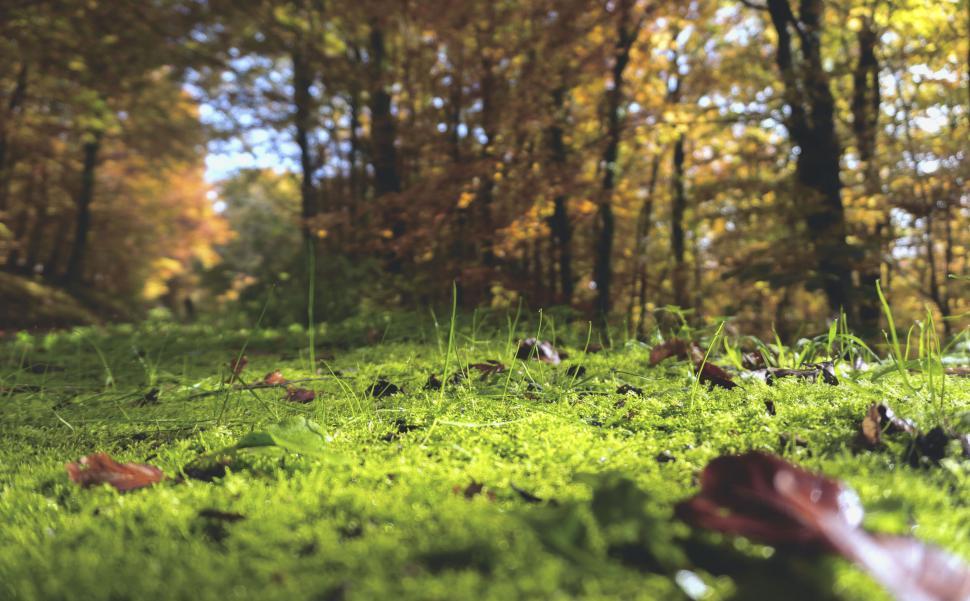
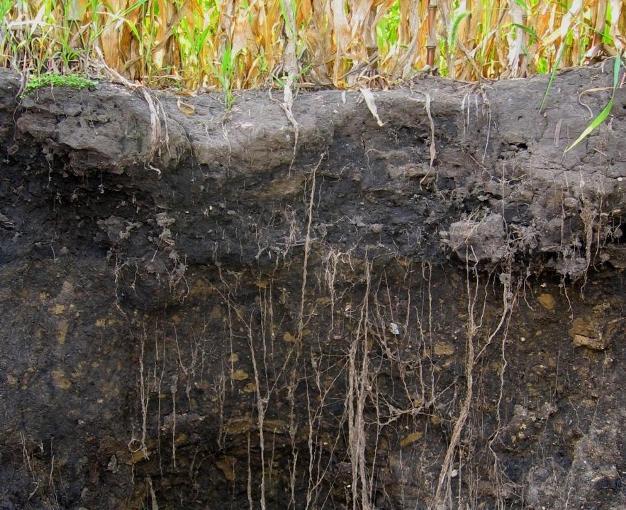
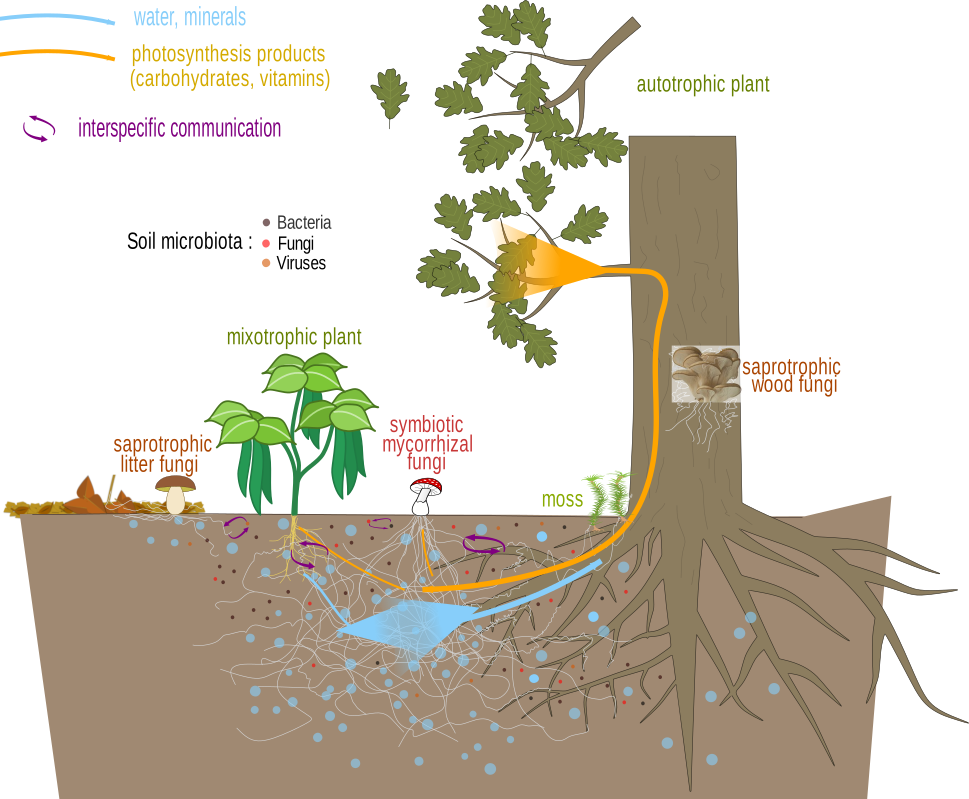
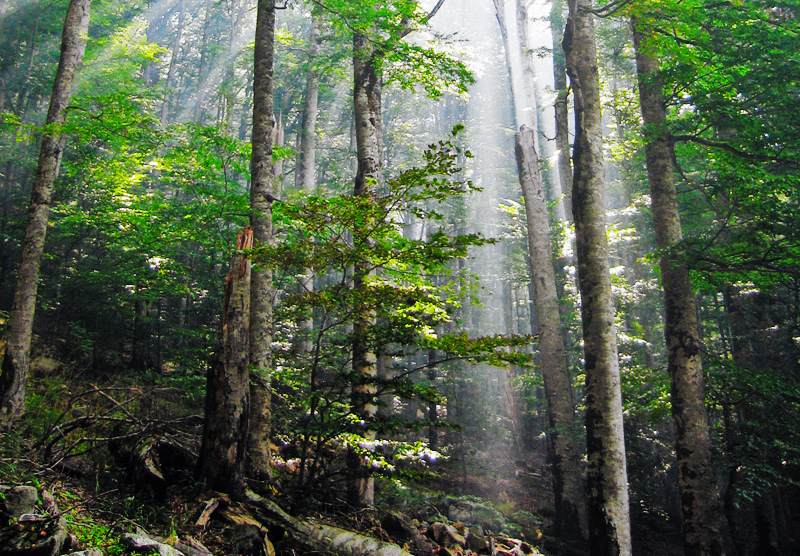
A forest may appear to be a system dominated by trees, but beneath the surface lies a vast and active fungal network that governs how organic matter is transformed.
Recent research highlighted that fungi are not simply decomposers clearing away dead material. Instead, they act as regulators of nutrient flow and carbon storage.
Every fallen leaf and decaying branch enters a biological system where fungi determine how quickly it is broken down, how nutrients are released, and whether carbon remains stored in the soil or returns to the atmosphere.
The forest floor is not just a place of decay. It is a functioning ecological economy managed by fungi.
Beyond Decomposition
Do all fungi recycle organic matter in the same way?
Traditional ecological models treated fungi as a single functional group responsible for decomposition. However, new research shows that fungi follow distinct recycling strategies with very different outcomes.
Some fungi act as rapid decomposers, breaking down organic matter quickly and releasing nutrients into the soil within a short time. This supports fast plant growth but also accelerates carbon release into the atmosphere.
Other fungi adopt slower strategies, decomposing material gradually and stabilizing organic matter within the soil. These fungi delay nutrient release and contribute to long-term carbon storage.
These differences are not minor variations. They fundamentally influence how ecosystems function over time.


Carbon Pathways
Do fungi determine whether carbon is stored or released?
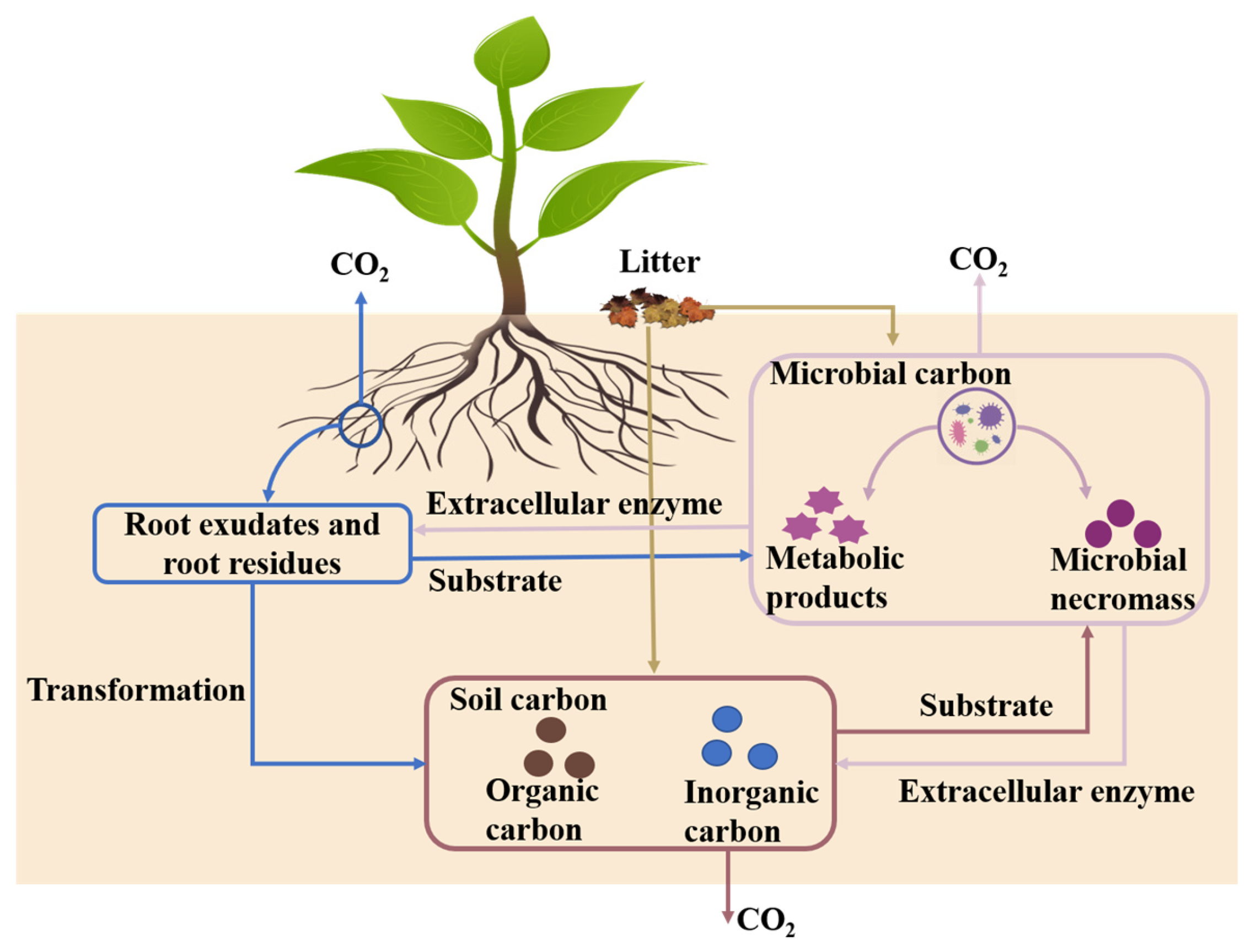
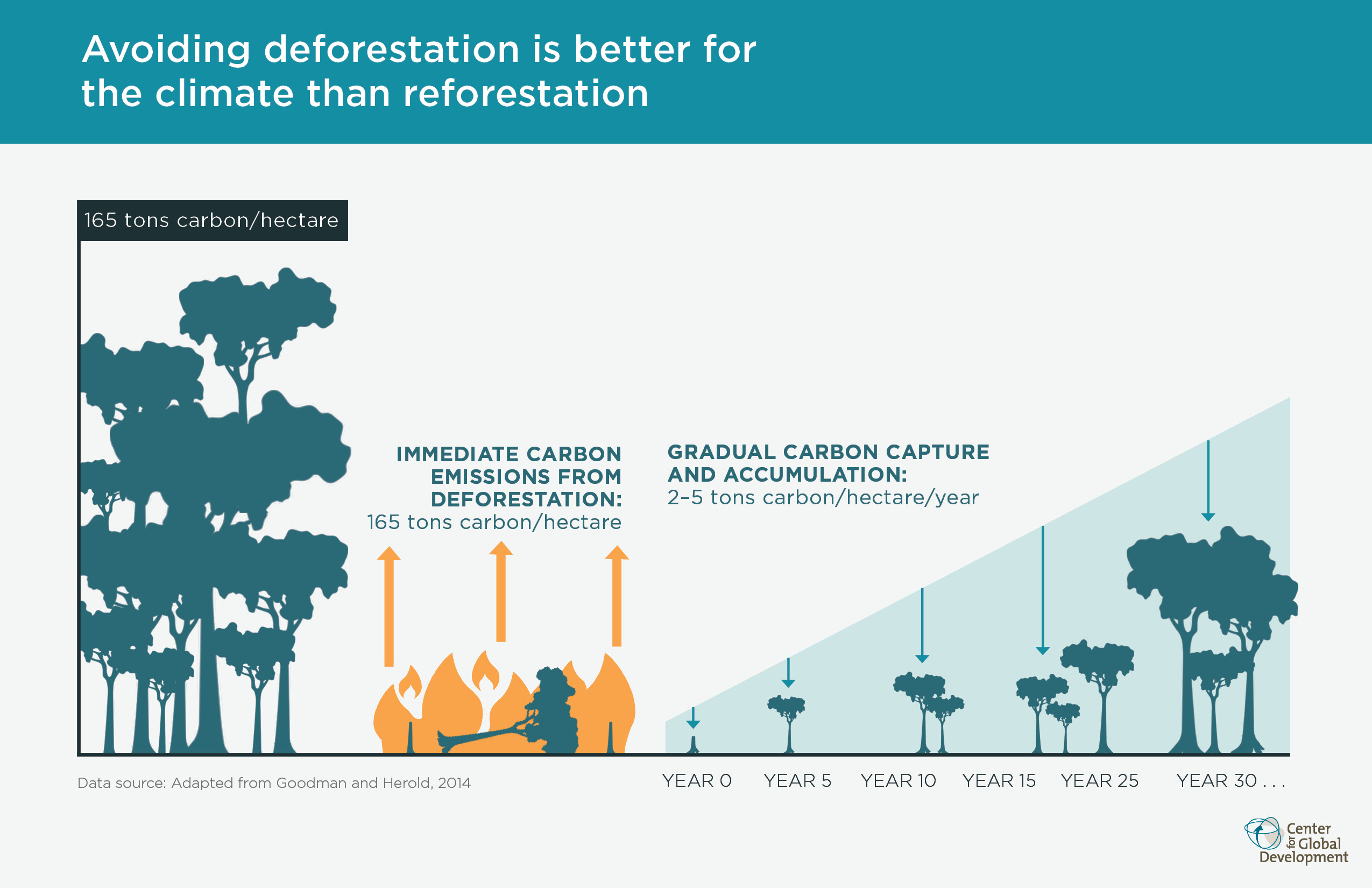
Forests are among the largest carbon reservoirs on Earth, but their ability to store carbon depends heavily on fungal activity.
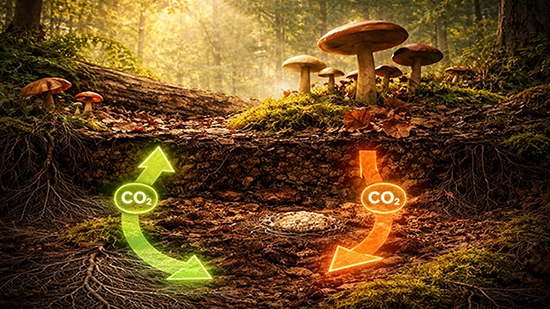
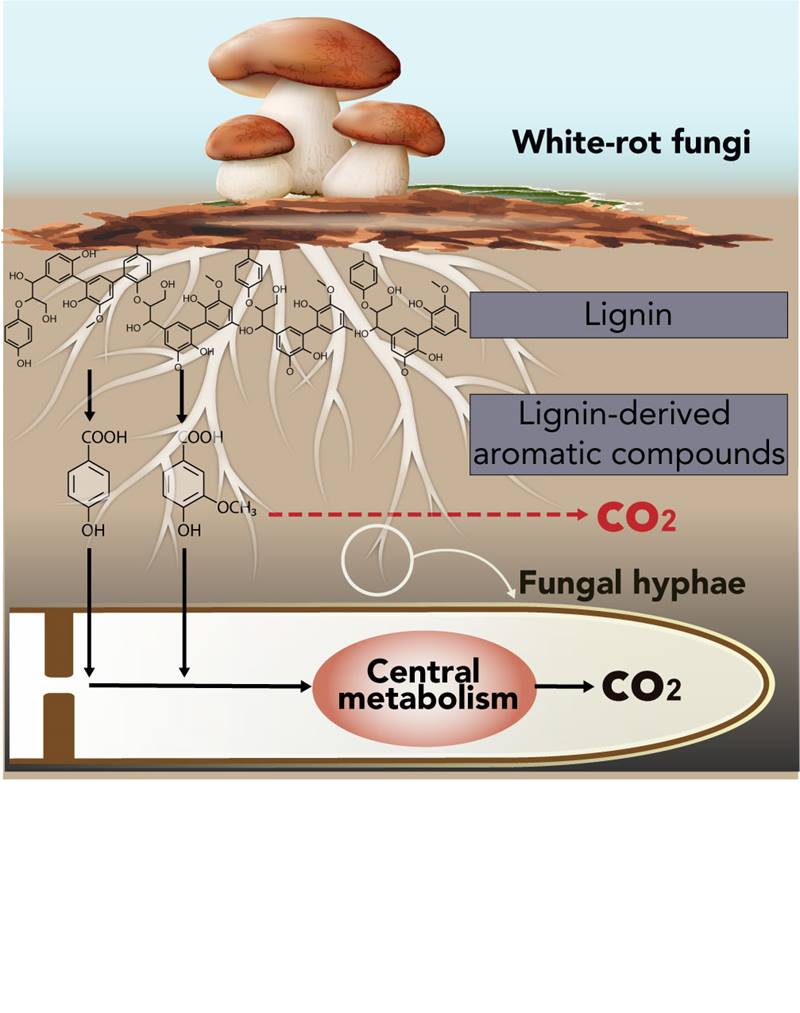
When fungi decompose organic matter, carbon follows one of two main pathways. It can be released into the atmosphere as carbon dioxide, or it can be retained within soil structures for longer periods.
Fast-decomposing fungi accelerate carbon release, reducing the time carbon remains stored in the ecosystem. Slow-decomposing fungi help retain carbon in complex soil matrices, extending its storage.
This means forests do not simply store carbon passively. Through fungal processes, they regulate how quickly carbon cycles between soil and atmosphere.

Nutrient Timing and Ecosystem Rhythm
How do fungal strategies influence plant growth and ecosystem stability?
Fungal activity also determines when nutrients become available to plants, shaping the rhythm of ecosystem growth.
In systems dominated by rapid decomposers, nutrients such as nitrogen and phosphorus are released quickly. This supports rapid plant growth and high productivity but may lead to instability if nutrients are depleted too quickly.
In contrast, ecosystems dominated by slower decomposers experience a more gradual release of nutrients. Plant growth is steadier, and soil quality improves over time, increasing resilience to environmental stress.
These differences create distinct ecological rhythms, with some forests cycling resources rapidly and others building stability over long periods.
Forest Identity
Why do different forests behave differently under similar conditions?
The study suggests that fungal communities play a defining role in shaping forest behavior.
Forests dominated by fast-decomposing fungi may recover quickly after disturbances such as fire or logging, driven by rapid nutrient release. However, they may also lose carbon more quickly and become less stable over time.
Forests with slower fungal systems may recover more gradually but retain more carbon and exhibit greater long-term resilience.
This means that fungal composition helps define not just how forests function, but how they evolve over time.


A Shift in Ecological Thinking
Why are scientists rethinking the role of fungi in ecosystems?
Ecology is moving away from viewing fungi as a uniform group and toward understanding them as a range of functional strategies.
Just as plants differ in growth patterns and environmental roles, fungi exhibit different approaches to decomposition, nutrient cycling, and carbon management.
Recognizing this diversity allows scientists to better understand ecosystem dynamics and predict how forests respond to environmental change.
Climate Change and the Fungal Lever
How might climate change alter fungal-driven carbon cycles?
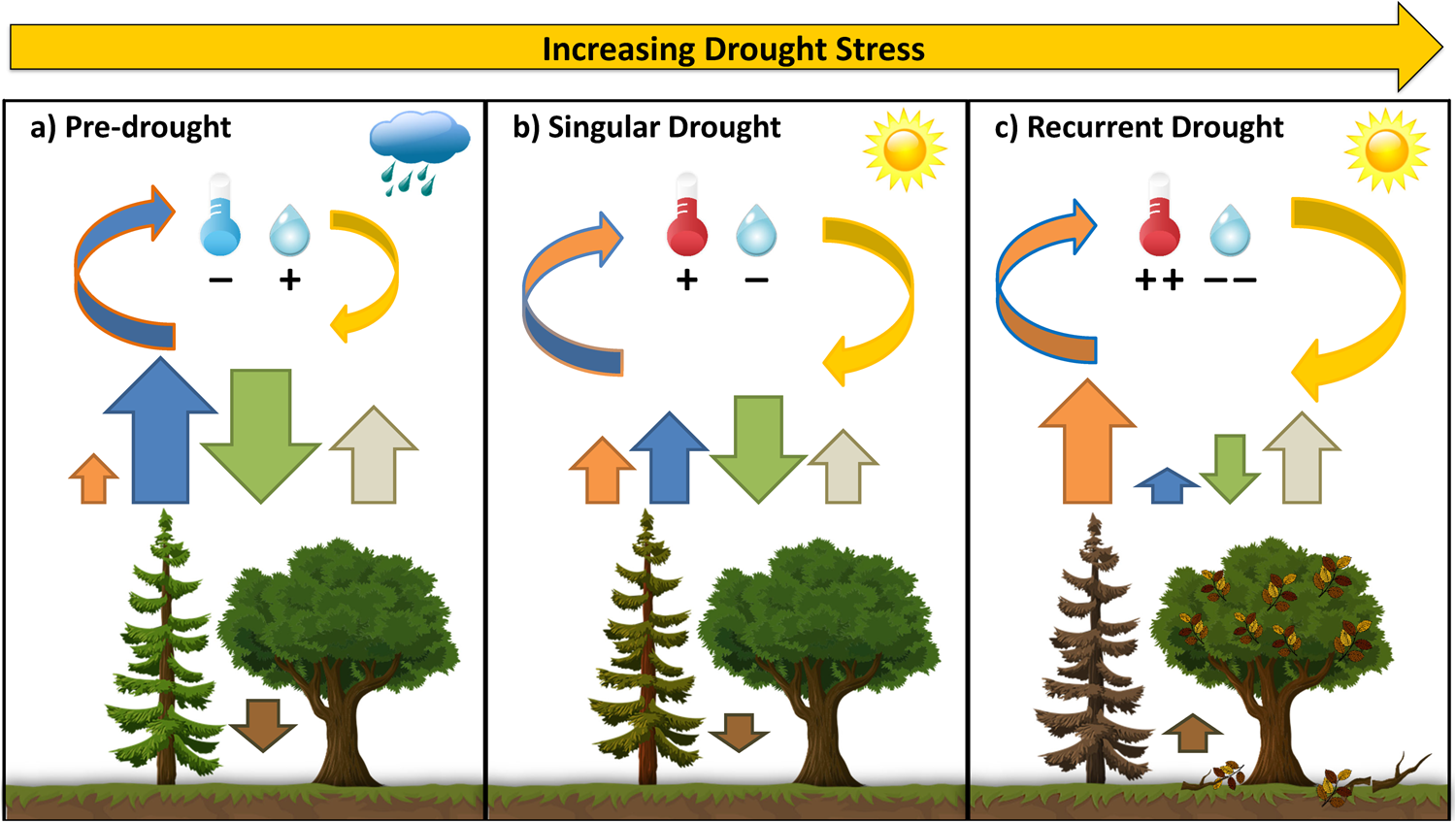
As global temperatures rise, fungal communities may shift toward faster decomposition strategies.
Warmer conditions can increase microbial activity, accelerating the breakdown of organic matter and releasing more carbon into the atmosphere. At the same time, changes in moisture and vegetation may alter which fungal species dominate an ecosystem.
This introduces a critical variable into climate models. It is not enough to measure carbon storage in forests. Scientists must also understand how fungal communities influence whether that carbon remains stored or is released.
Fungi act as a biological lever within the climate system, influencing feedback loops that affect global carbon balance.
MoldNewsHub Takeaway
Why are fungi considered hidden architects of the carbon cycle?
Fungi regulate how organic matter is broken down, how nutrients circulate, and how carbon moves between soil and atmosphere.
They influence ecosystem productivity, stability, and long-term resilience. Their activity determines whether forests act as carbon sinks or sources under changing environmental conditions.
Fungi are not simply decomposers operating in the background. They are key drivers shaping how ecosystems function and respond to climate change.
❓ FAQ
What role do fungi play in forest ecosystems?
Fungi decompose organic matter, regulate nutrient cycles, and influence how carbon is stored or released within forest ecosystems.
Do all fungi decompose material at the same rate?
No. Some fungi break down material quickly, while others decompose it slowly, leading to different ecological outcomes.
How do fungi affect the carbon cycle?
Fungi determine whether carbon is released into the atmosphere or stored in soil by controlling the decomposition process.
Why is fungal diversity important?
Different fungal species perform different functions. Changes in fungal communities can alter nutrient cycling, plant growth, and carbon storage.
How does climate change impact fungal activity?
Warmer temperatures and changing environmental conditions can shift fungal communities, potentially increasing carbon release and affecting ecosystem stability.