When Mold Crosses Borders—And Laws
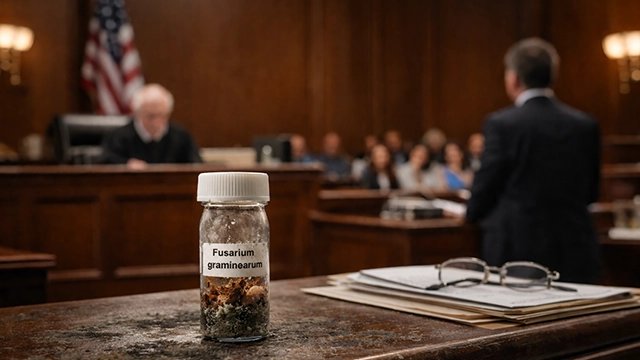
Sometimes, the stories that hit the news aren’t about new pathogens or viral outbreaks, but about the unseen web of regulations that try to keep our global food supply safe. Such is the case with Fusarium graminearum, a notorious cereal crop fungus, and the scientist who found himself on the wrong side of a federal courtroom for smuggling it across borders.
At first glance, the headline raises eyebrows: a plant pathologist, a vial of fungus, and a legal battle in the United States. But beneath the surface is a deeper, far-reaching conversation about the invisible guardianship of biosafety, international trust, and the complex dance between science and the law.
The Fungus at the Heart of the Matter
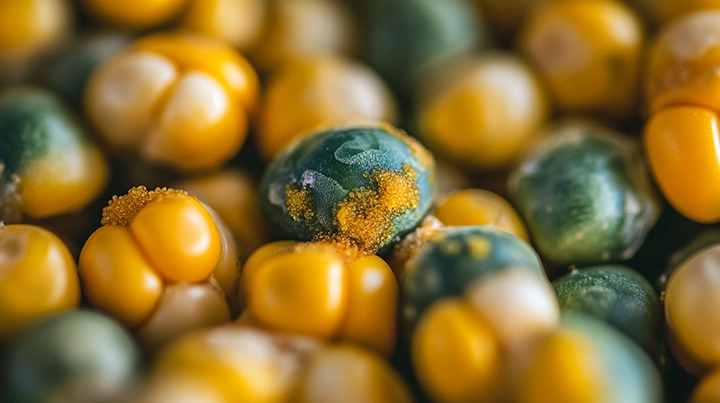
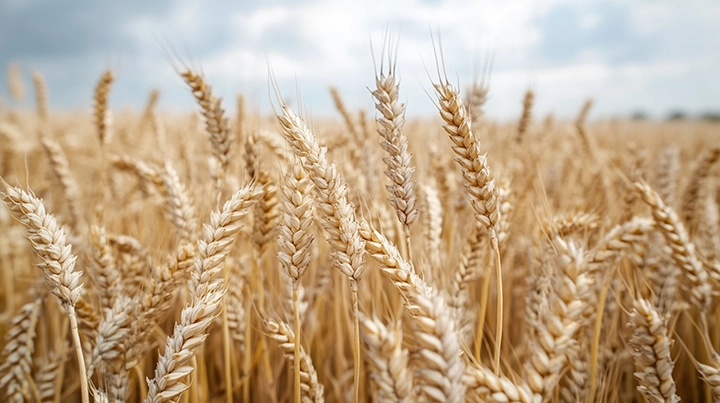
Fusarium graminearum—also known as Gibberella zeae—is no stranger to the American Midwest or, frankly, any wheat-growing region on earth. It causes Fusarium head blight, a disease that can slash grain yields by nearly half during bad years. Its calling card? Not only shriveled, damaged kernels, but a toxic legacy: the mycotoxin deoxynivalenol (DON), which can render entire grain shipments unfit for food or export.
The U.S. spends millions each year in research, monitoring, and management of this fungus. From fungicide use to insurance claims, its economic shadow stretches from the fields all the way to international grain markets.


Smuggling, Permits, and the Rules of the Game
If the fungus is already here, why did this particular smuggling case set off alarms? The answer lies in the protocols that govern biosafety and research. In this instance, samples were brought into the country without proper USDA and APHIS permits—an act that violates not just paperwork, but the very spirit of agrosecurity. Authorities’ concern wasn’t just the presence of the species, but the risk that the samples might harbor new genetic variations: strains resistant to fungicides, more aggressive than the local population, or carrying other unpredictable traits.
In today’s climate of biosecurity, even familiar pathogens must travel with their paperwork. Laws crafted to defend against bioterrorism and agricultural sabotage are triggered as much by missing documentation as by the microbes themselves. That’s why the courtroom drama unfolded not as a public health scare, but as a cautionary tale of regulatory diligence.
The Real (and Imagined) Risks
Most experts agree: in this case, the actual biosafety threat was small. The U.S. is already home to plenty of F. graminearum, and any rogue introduction would likely be lost in the shuffle. But the incident exposes bigger issues. When biological materials cross borders without oversight, the risk isn’t just a new disease—it’s a loss of trust. Researchers rely on global collaboration, but also on rigorous protocols. If those protocols are bypassed, even with good intentions, it can erode confidence, muddy research environments, and introduce variables that complicate everything from disease modeling to crop insurance.
At the root, it’s about predictability. Agriculture thrives on known risks, managed uncertainty, and tightly controlled variables. Untracked imports—even of familiar fungi—throw sand in the gears.
Mycotoxins, Markets, and the Cost of Carelessness
For farmers, the stakes are high. F. graminearum outbreaks already cost hundreds of millions of dollars each year—lost yield, unsellable grain, higher fungicide bills. But beyond the field, the specter of mycotoxins like DON haunts global trade. Grain shipments are rigorously tested at ports; too much toxin, and the whole lot can be rejected. New, uncharacterized strains might upend careful disease management plans, undermine export contracts, and ripple through the agricultural economy.
What This Case Really Means
This isn’t the story of a “super-pathogen” on the loose. It’s about rules and relationships: the protocols that protect agriculture, and the international trust that lets science and trade flourish. The lesson is clear: whether you’re shipping seeds or working with high-impact fungi, documentation is non-negotiable. Cross-border science must honor biosafety frameworks—not just to keep crops healthy, but to keep doors open for future research and exchange.
In the world of mycology, there’s always a tension between discovery and discipline. Fungi like Fusarium remind us that the very organisms we study can have vast, unintended consequences—economically, ecologically, and politically. This case is a reminder that modern science doesn’t happen in a vacuum; it lives in a web of policy, public trust, and real-world risk.
What stands out here is how something as small as a fungal sample can trigger a debate about the future of agriculture, science, and even law. The rules may seem tedious, but they’re the backbone of biosecurity and trust.
References
Academic Sources
- McMullen, M., Jones, R., & Gallenberg, D. (1997). Scab of wheat and barley: A re-emerging disease of devastating impact. Plant Disease, 81(12), 1340–1348. https://doi.org/10.1094/PDIS.1997.81.12.1340
- Pestka, J. J. (2010). Deoxynivalenol: Toxicity, mechanisms and animal health risks. Animal Feed Science and Technology, 137(3–4), 283–298. https://doi.org/10.1016/j.anifeedsci.2007.06.006
Official Sources
- USDA Animal and Plant Health Inspection Service (APHIS): https://www.aphis.usda.gov/
- Food and Agriculture Organization of the United Nations (FAO): https://www.fao.org/