For decades, fungi have been quietly evolving. Now, a groundbreaking study from the Netherlands reveals the alarming pace at which some molds are developing resistance to our most trusted antifungal drugs. The spotlight is on Aspergillus fumigatus, a common airborne fungus that can cause deadly infections in people with weakened immune systems. And the implications stretch from the soil of industrial farms to the corridors of modern hospitals.
A Timeline of Trouble
Researchers from Radboud University Medical Center and the Dutch National Institute for Public Health and the Environment (RIVM) examined over 12,000 isolates of A. fumigatus collected from 1994 to 2023. In the 1990s, antifungal resistance in these samples was virtually nonexistent. But by 2023, nearly 17% showed genetic mutations that make them resistant to azoles, a class of antifungal compounds critical in both agriculture and medicine.

This is more than just a local issue. These resistant strains have been detected across continents—from Europe and Asia to South America and the U.S. Their spread is invisible but dangerous, driven by wind, travel, and even international trade. The global rise in fungal resistance is now undeniable.
From Crop Fields to Clinics
The culprit behind this resistance surge? Our own farming practices.
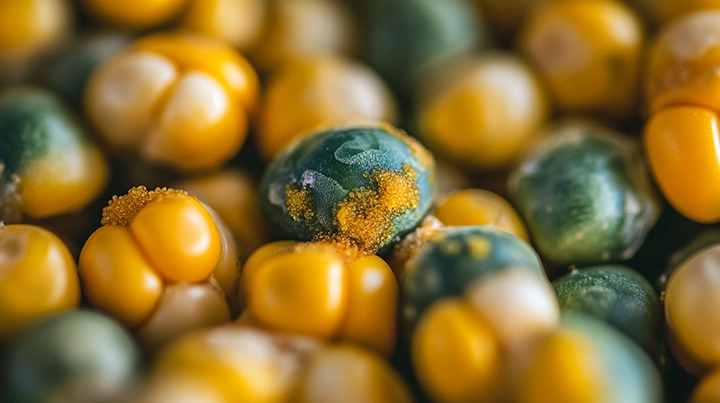
Azole fungicides are widely used in agriculture to protect crops like grains, vegetables, and flowers from fungal disease. These chemicals are molecular cousins to the azole drugs used in hospitals to treat patients. When A. fumigatus is exposed to these compounds in compost piles, crop residue, or soil, it evolves. Mutated strains thrive, survive, and eventually float through the air, landing in human lungs.

This agricultural-medical crossover means we’re unintentionally engineering drug-resistant pathogens in the wild, only to fight them again in ICUs.
The Medical Fallout
For patients with weakened immune systems—including those undergoing chemotherapy, recovering from organ transplants, or managing autoimmune diseases—these resistant fungal strains pose a serious threat. Treatment becomes more complex, outcomes more uncertain.
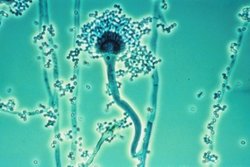
Many patients host multiple fungal strains simultaneously. This creates a Darwinian battlefield within the body, where resistant strains can quickly dominate if first-line drugs fail. Clinicians now need rapid diagnostics, better fungal typing, and alternative treatments to keep up.
Why Antifungal Innovation Lags
Developing new antifungal drugs is a scientific challenge. Fungi, like humans, are eukaryotes—they share similar cellular machinery. That makes it harder to target them without also harming human cells. As a result, antifungal innovation has lagged far behind antibacterial drug development.
Emerging technologies, like 18F-FDS PET imaging, may help detect mold infections earlier. But effective treatment still depends on timely diagnosis, resistance testing, and access to drugs that work.

A Call to Action
The Dutch study serves as both a warning and a roadmap. Experts are calling for:
- Global surveillance of environmental and clinical fungal resistance
- Stricter regulations on agricultural fungicide use
- Investment in new antifungal drug classes
- Improved diagnostic technologies to detect resistance in real time
There’s also a growing call for One Health approaches—coordinated strategies that connect human, animal, and environmental health. Because when the air we breathe carries drug-resistant spores, no sector can afford to work in isolation.
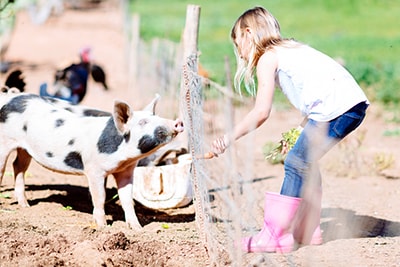
The health of people is closely connected to the health of animals and our shared environment.
The Clock Is Ticking
What began as a slow biological shift has now accelerated into a global public health issue. Resistant fungi are spreading faster than our ability to treat them. Without action, more patients will face failed therapies, longer hospital stays, and higher mortality rates.
But the path forward is clear. We need smarter surveillance, better stewardship, and faster innovation. The next generation of antifungal tools must be rooted not just in labs, but in the awareness that what we do to the land inevitably finds its way into our bodies.
The enemy is adapting. Our response must evolve even faster.