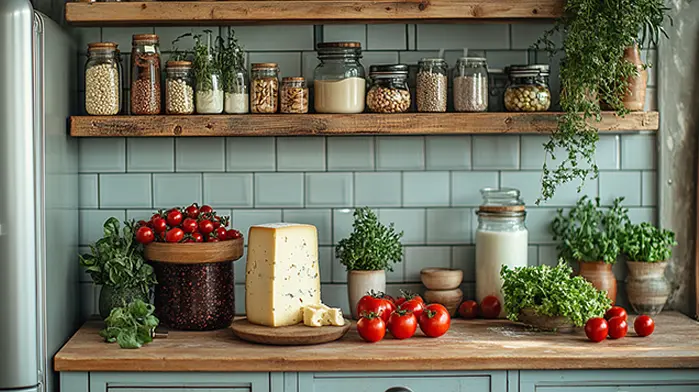
During Ramadhan, Kitchens Come Alive
From early morning suhoor to evening iftar, families prepare meals that are comforting, nourishing, and full of meaning. But behind the delicious dishes and shared traditions, something unexpected is working quietly in the background: mold.
Yes, mold. It might sound alarming, but during Ramadhan, it actually helps create some of the most beloved fermented foods on the table.
While the world fasts, mold keeps working—fermenting, preserving, and transforming simple ingredients into flavorful staples.

Source: Wikimedia Commons, CC BY-SA 4.0
Why Mold Shows Up in Ramadhan Kitchens
Mold is everywhere—it floats in the air and settles on surfaces. It grows best in warm, moist environments—just like many kitchens during Ramadhan.
Meals are often prepared ahead, stored in sealed containers, or left to cool slowly. These conditions can encourage mold growth.
But here’s the twist: not all mold is bad.

Source: Wikimedia Commons, CC BY-SA 4.0
Mold’s Secret Role in Favorite Fermented Foods
Some of the most popular Ramadhan dishes are made with the help of mold and fermentation:
- In Egypt, laban (a fermented yogurt drink) refreshes suhoor.
- In Malaysia, tapai—a sweet fermented rice dessert—is a classic.
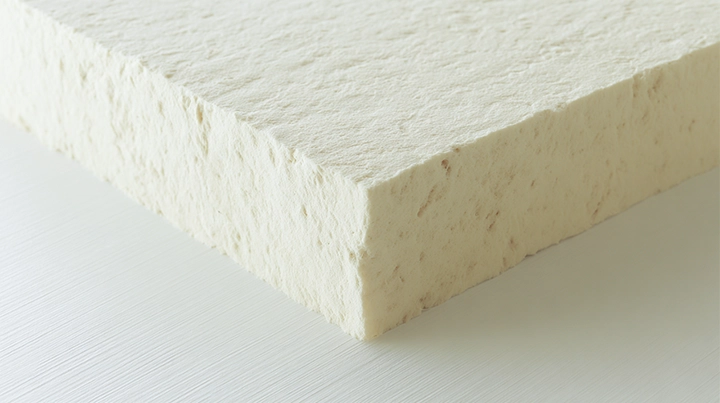
- In Indonesia, tempeh (a Rhizopus oligosporus-fermented soybean cake) adds protein to iftar.
- In the Levant, aged cheeses and pickled torshi complete the table.
These foods rely on friendly molds such as Aspergillus oryzae and Rhizopus oligosporus. These beneficial fungi break down food, make it easier to digest, and extend shelf life.
Without them, many Ramadhan textures and tastes wouldn’t exist.
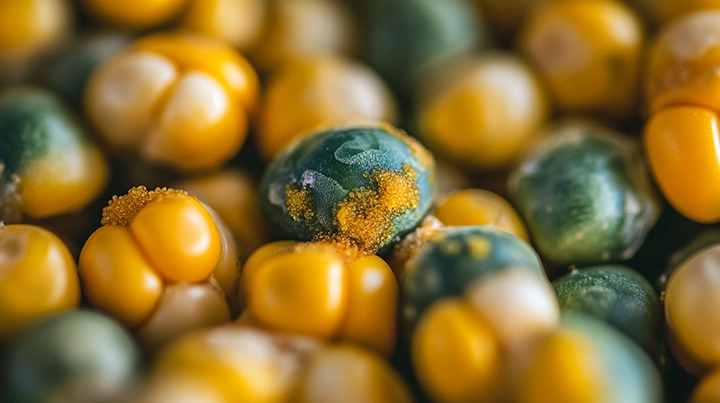
But fermentation needs care. If temperatures rise or storage gets too tight, harmful molds like Aspergillus flavus and Penicillium verrucosum can appear. These species produce aflatoxins and ochratoxins, toxic compounds that are invisible but harmful.
That’s why safe storage and fermentation practices matter—especially when meals are made in large batches and shared widely.
Before Fridges, There Was Fermentation
Long before refrigeration, fermentation was preservation.
- In 7th-century Arabia, laban preserved milk under desert heat.
- In Malay homes, tapai was prepared in advance and stored for weeks.
- In the Levant, salty cheeses and pickles ensured flavor and nutrition throughout Ramadhan.
Women learned to ferment by observation—using their senses to tell good mold from bad.
Mold wasn’t a mistake; it was tradition.
Today, however, modern kitchens use sealed plastic containers and packed refrigerators. These changes can sometimes make it easier for the wrong mold to thrive.
Knowing the difference between safe and unsafe mold starts with understanding proper fermentation.

Source: Wikimedia Commons, CC BY-SA 4.0
Fermentation Is a Global Tradition
Fermented foods unite cultures across continents:
- Kimchi in Korea
- Miso in Japan
- Injera in Ethiopia
- Blue cheese in France
Each relies on microbes to transform raw ingredients into something better.
Fermentation helps:
✅ Preserve food naturally
✅ Improve digestion and gut health
✅ Create bold, regional flavors
✅ Strengthen cultural identity
Long before “probiotics” became a buzzword, these foods were already supporting healthy microbiomes.
Ramadhan’s fermented staples are part of this global microbial heritage—bridging tradition, nutrition, and faith.

Source: Wikimedia Commons, CC BY-SA 4.0
Why It Matters
Mold has shaped how we eat—it preserves, enhances, and connects us to history.
But not all mold is helpful.
During Ramadhan, when meal prep increases and food sits longer, the risk of contamination rises.
Fasting can also make digestion more sensitive and immunity lower—making safe food handling crucial.
The goal isn’t to fear mold, but to work with it wisely, as generations before us did.

Source: Wikimedia Commons, CC BY-SA 4.0
Let’s Keep Fermented Foods Safe
This Ramadhan, honor both science and tradition:
Don’t seal hot foods—let them cool first.
Store fermented items in breathable, clean containers.
Keep foods cool and dry whenever possible.
Watch for fuzzy textures, off smells, or unusual colors.
Trust your senses and your knowledge.
Fermentation is a quiet partnership between humans and nature—one that has nourished families through centuries of fasting and celebration.
With care and respect for these living foods, it will continue to do so for many Ramadhans to come.
References
Global Scientific & Health Sources
- World Health Organization (WHO): Mycotoxins Fact Sheet
- Food and Agriculture Organization (FAO): Food Safety & Fermentation
- European Food Safety Authority (EFSA): Mycotoxin Risks
- Codex Alimentarius: Safe Fermentation Guidelines
- Centers for Disease Control and Prevention (CDC): Mold FAQs
- National Center for Biotechnology Information (NCBI): Beneficial Microbes in Traditional Fermentation
Images (CC BY / CC0)
- Ramadhan iftar family dinner (CC BY-SA 4.0)
- Condensation on window (CC BY-SA 4.0)
- Fermentation in clay pots (CC BY-SA 4.0)
- Fermented foods collage (CC BY-SA 4.0)
- Tapai making in Malaysia (CC BY-SA 4.0)