

When a Tomb Breathes Again
Did the “Curse of the Pharaoh” have a biological explanation?
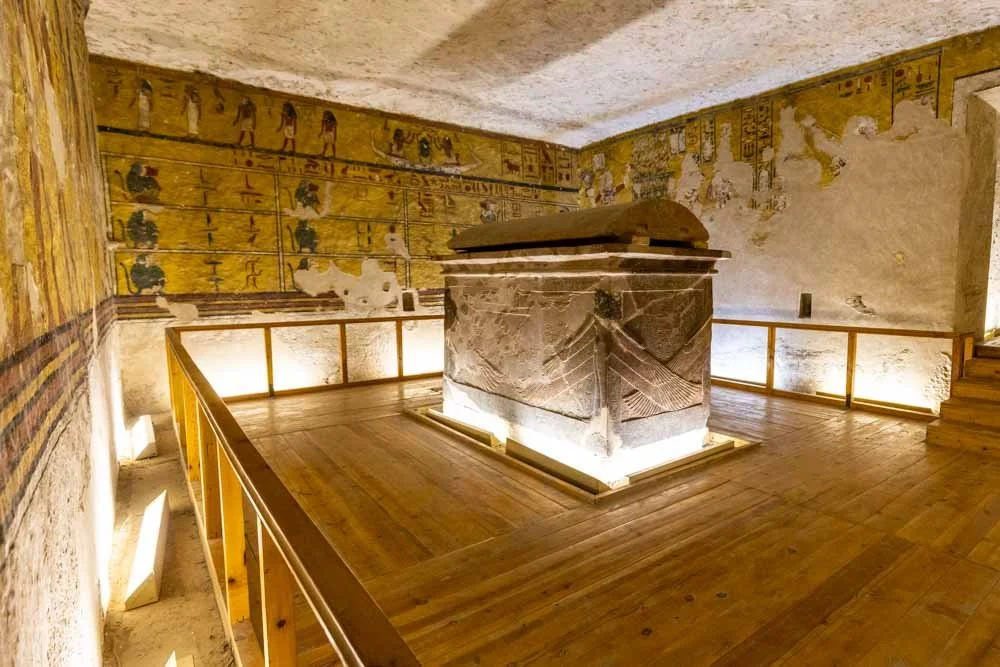
In 1922, the opening of Tutankhamun’s tomb became one of the most famous archaeological discoveries in history. Sealed for over three thousand years, the chamber revealed extraordinary artifacts and a direct connection to ancient Egypt.
Soon after, reports emerged that several individuals involved in the excavation fell ill or died. These events fueled the enduring legend of the “Curse of the Pharaoh,” blending mystery, coincidence, and media fascination.
Modern science offers a different interpretation. Rather than supernatural causes, researchers suggest that exposure to microorganisms preserved in sealed environments may explain some of these events.
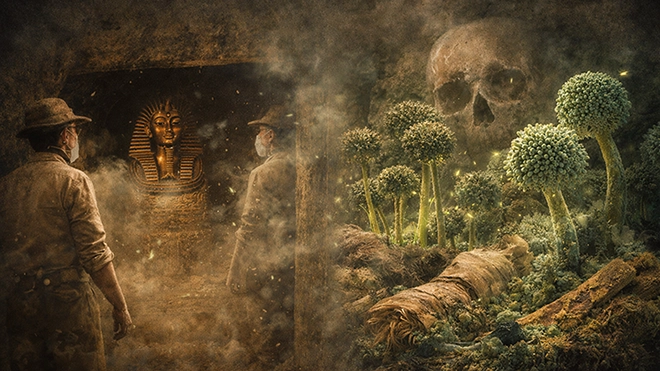
When the tomb was opened, it did not only reveal artifacts. It released a dormant microbial ecosystem.
Tombs as Microbial Time Capsules
Why do sealed tombs preserve microorganisms for centuries?
A sealed tomb is not an empty space. It is a closed biological system containing organic materials such as linen wrappings, wooden artifacts, plant residues, and human remains.
These materials create a stable microenvironment characterized by darkness, limited airflow, and relatively constant temperature. Such conditions are highly favorable for microbial persistence.
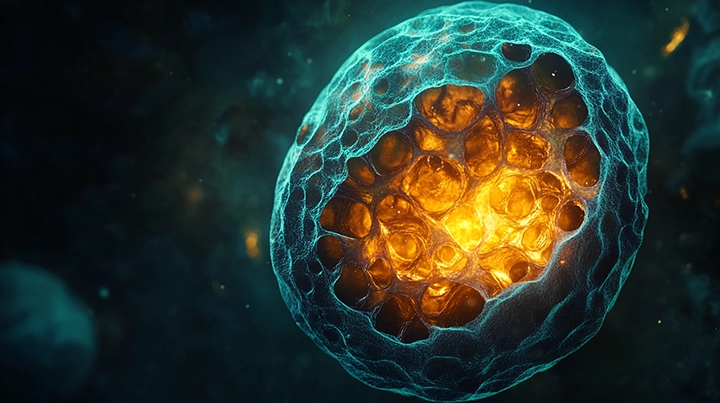
Fungal spores are particularly well suited to survival in these environments. Their protective outer layers allow them to withstand dryness, nutrient scarcity, and long periods of dormancy.
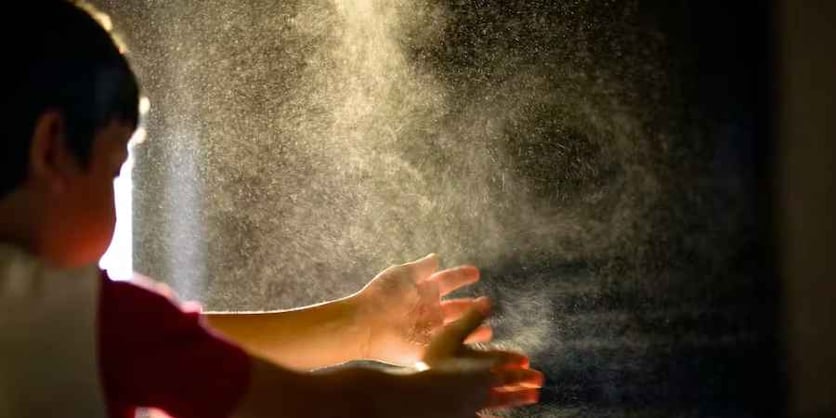
Inside a sealed tomb, these spores remain inactive, embedded in dust and surfaces. When the tomb is opened, environmental conditions change rapidly, allowing these particles to re-enter the air.
The Invisible Threat: Fungi in the Air
How can ancient fungal spores affect human health?
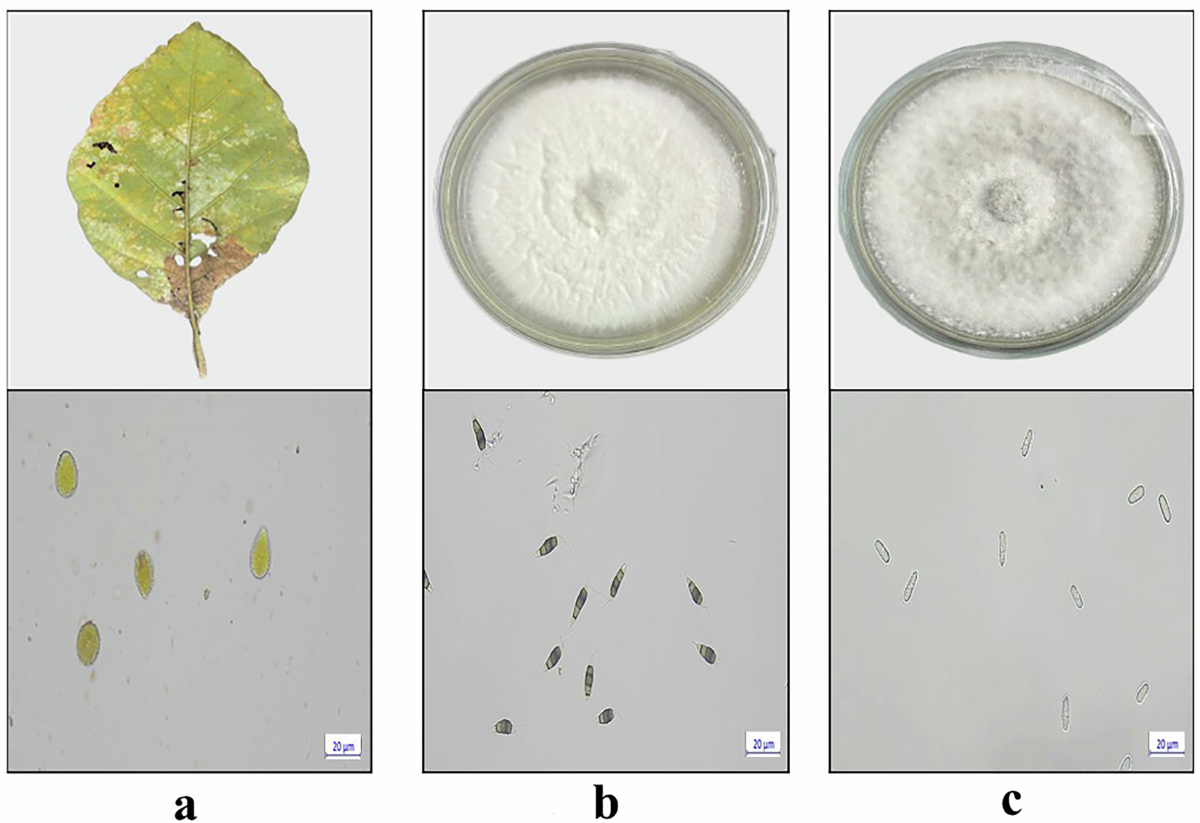
Among the microorganisms present in tomb environments are likely species from the genus Aspergillus and other environmental molds.
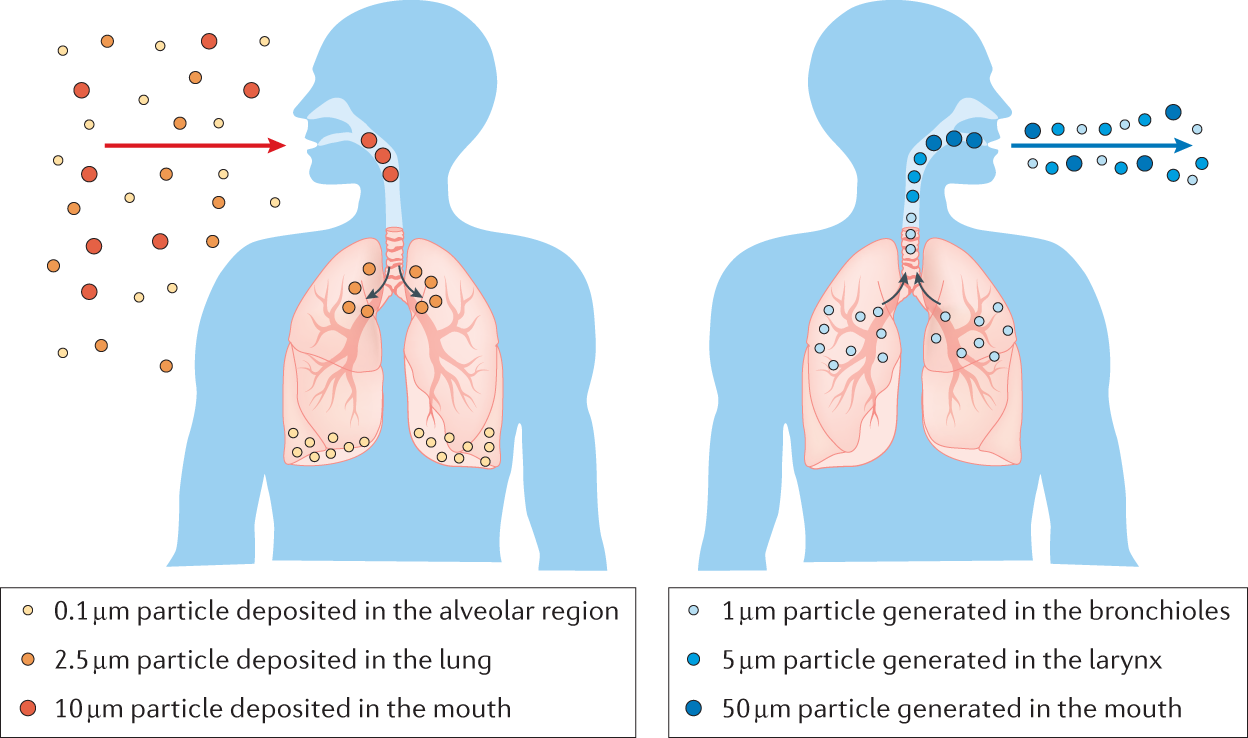
Under normal conditions, these fungi are common and often harmless. However, when large numbers of spores become airborne in enclosed or poorly ventilated spaces, they can pose a health risk.
Inhalation of high concentrations of spores may lead to respiratory conditions such as aspergillosis, particularly in individuals with weakened immune systems or preexisting lung conditions. Some fungi may also produce mycotoxins, which can trigger inflammatory or toxic responses when inhaled.
The risk depends not only on the presence of fungi but also on the level of exposure and environmental conditions at the time of disturbance.

Myth, Mortality, and Misinterpretation
Is there evidence linking tomb fungi to the deaths after Tutankhamun’s discovery?
The legend of the pharaoh’s curse gained momentum due to the timing of several deaths associated with the tomb’s discovery.
However, modern analysis suggests a more nuanced picture. Many individuals connected to the excavation lived long lives, and several deaths attributed to the curse can be explained by natural causes, infections, or unrelated illnesses.
There is no definitive evidence linking a specific fungal outbreak from Tutankhamun’s tomb to these fatalities.
Even so, the legend reflects a real underlying phenomenon: exposure to environmental hazards in sealed and undisturbed spaces. What was interpreted as a curse may have been an early encounter with microbial risk.
From Ancient Tombs to Modern Environments
Do similar fungal exposure risks exist today?
The processes observed in ancient tombs are not unique to archaeology. Similar dynamics occur in modern environments.
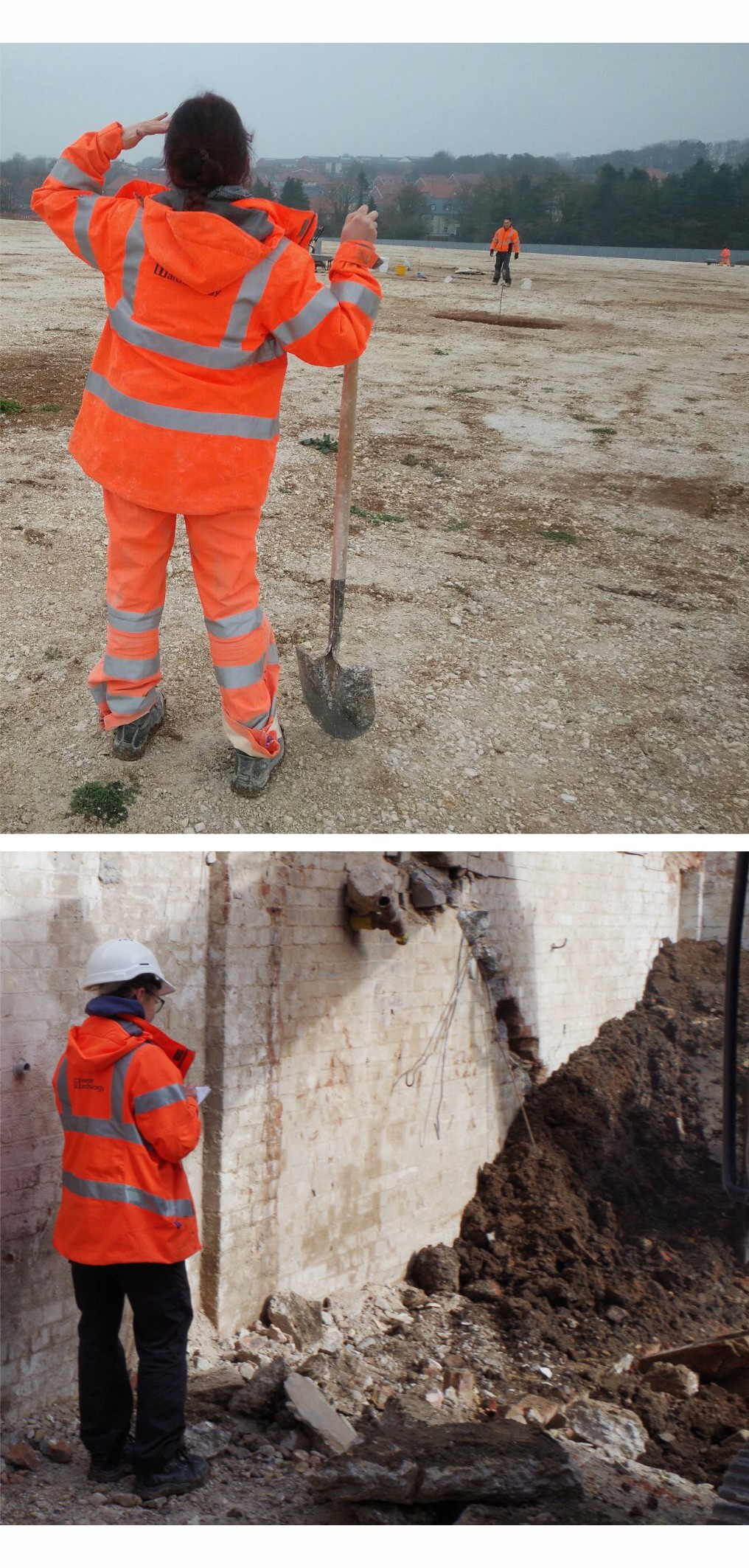
Construction activities can disturb soil and release fungal spores into the air. Dust storms transport microorganisms across large distances. Abandoned buildings accumulate bioaerosols over time. Changes in climate influence how fungi grow and disperse.
Fungi are highly adaptable organisms that remain dormant under stable conditions and become active when environments shift. The release of spores from a sealed tomb mirrors processes that occur regularly in both natural and built environments.


Dormancy and Survival
How do fungi survive for long periods without activity?
Fungi possess remarkable survival mechanisms that allow them to persist in extreme conditions. Their spores are designed to remain viable for extended periods, even in environments with limited nutrients and water.
Dormancy enables fungi to pause biological activity until favorable conditions return. When environmental factors such as oxygen, humidity, or airflow change, spores can reactivate and disperse.
This ability explains how microorganisms preserved in ancient tombs can become airborne after centuries of inactivity.
From Curse to Clarity
What can modern science learn from ancient tomb environments?
The story of Tutankhamun’s tomb highlights the importance of understanding environmental microbiology. Ancient sealed spaces act as biological archives, preserving microorganisms shaped by time and isolation.
When these environments are opened, their contents re-enter the modern world. Recognizing this process allows scientists and archaeologists to better manage exposure risks.
The lesson is not one of fear but of awareness. By understanding how fungi survive and disperse, we can approach both ancient and modern environments with greater knowledge and precaution.
The so-called curse was not supernatural. It was ecological.

❓ FAQ
Did King Tut’s tomb really cause deaths through a “curse”?
There is no scientific evidence supporting a supernatural curse. Most deaths linked to the tomb can be explained by natural causes, although environmental exposure may have played a role in some cases.
Can fungi survive in sealed tombs for thousands of years?
Yes. Fungal spores are highly resilient and can remain dormant for long periods under stable conditions such as those found in sealed environments.
What is aspergillosis?
Aspergillosis is a respiratory infection caused by inhaling spores from Aspergillus fungi. It mainly affects individuals with weakened immune systems or lung conditions.
Are similar risks present in modern environments?
Yes. Activities such as construction, excavation, and exposure to dust in enclosed spaces can release fungal spores and create similar health risks.
How can exposure to fungal spores be reduced?
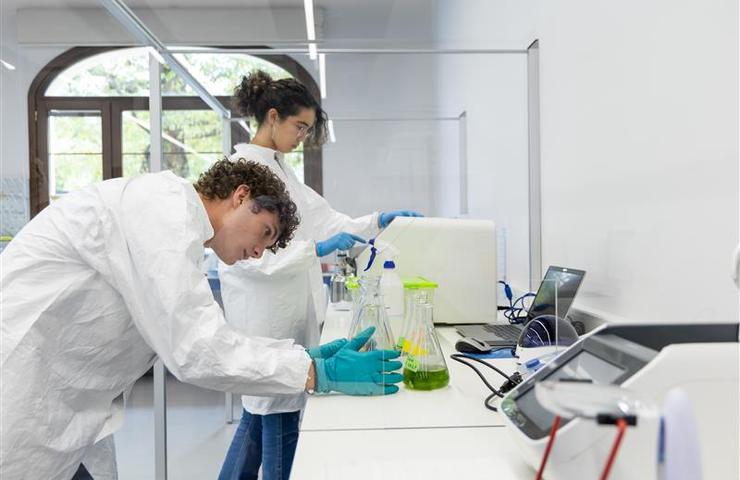
Proper ventilation, protective equipment, and environmental monitoring can help reduce exposure risks, especially in confined or disturbed environments.