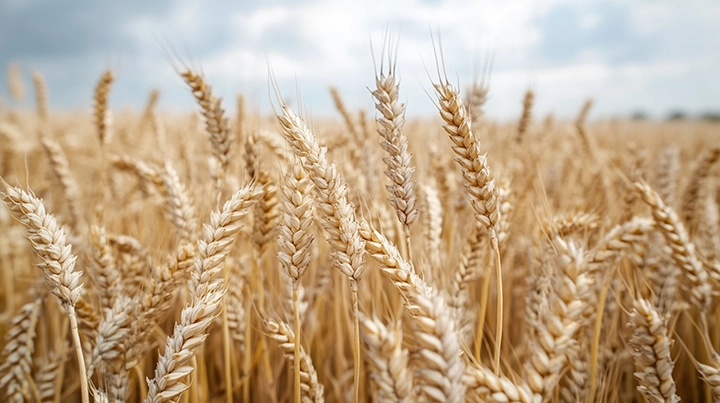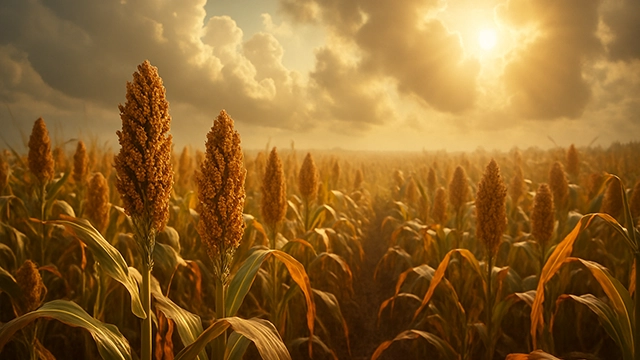
Sorghum is often cast as the rugged survivor of the grain world. It grows where others fail—on cracked, sunbaked soil, under relentless skies. In regions where drought is routine and climate volatility is the norm, sorghum has become both lifeline and staple. But what happens when this tough crop meets a force equally persistent, yet far more insidious? Enter: Fusarium.

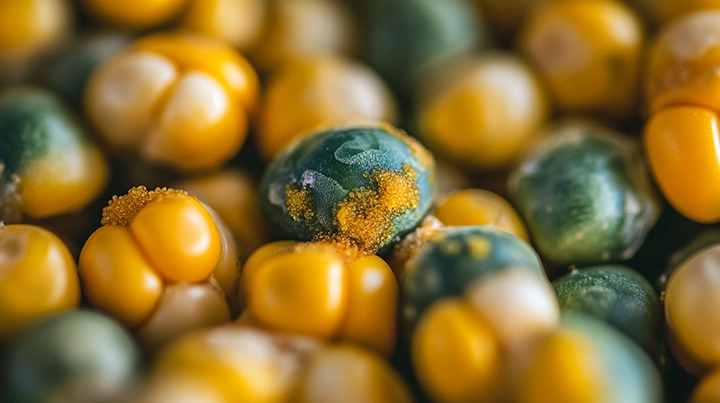
In the heat of summer, while the sun bakes the earth and moisture lingers just long enough to dampen the grain, Fusarium graminearum and Fusarium proliferatum begin their quiet invasion. Invisible to the eye, these fungi colonize sorghum grains and release toxins that pose a serious risk to global food systems. A recent study has pulled back the curtain on how these fungal agents behave—and what the findings reveal isn’t just academic. It’s a warning.
A Climate-Driven Equation: Temperature, Humidity, and Toxicity
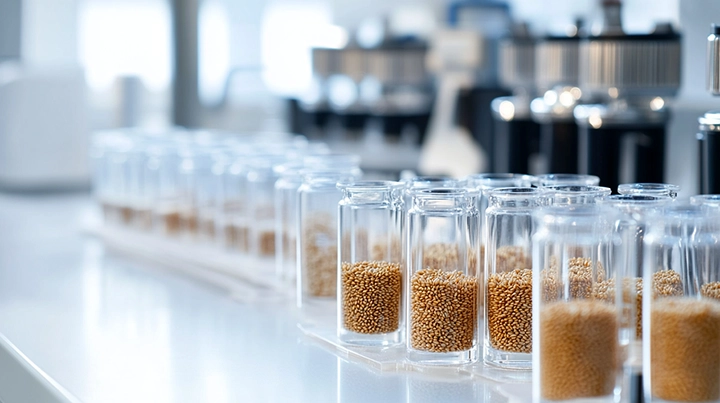
The study in question set out to answer a fundamental question: under what conditions do F. graminearum and F. proliferatum grow and, more importantly, produce mycotoxins in sorghum? To simulate real-world environments, researchers exposed the fungi to combinations of temperature (15°C, 25°C, 30°C) and water activity (aw = 0.95, 0.98, 0.995)—a proxy for grain moisture.

The result? Both fungi can grow across a wide range of temperatures. F. graminearum thrived at 25–30°C. F. proliferatum preferred 30°C. In short, summer is their season.
But the real threat wasn’t just growth—it was what came after. At high humidity (aw ≥ 0.98), both species began to synthesize a cocktail of mycotoxins: DON (deoxynivalenol), ZEN (zearalenone), NIV, 15-AcDON, 3-AcDON, FB1 and FB2 (fumonisins). These aren’t harmless byproducts. They’re chemically stable, biologically potent compounds linked to gastrointestinal disorders, immune suppression, and even carcinogenic effects.
And they don’t go away with cooking.
The Illusion of Safety: When Grains Look Fine but Kill Quietly
Here’s the subtlety that complicates things: growth and toxin production are not the same. A fungal colony might thrive on grain without producing measurable toxins—until a slight shift in temperature or humidity flips the switch. That means a clean-looking sorghum harvest can carry biochemical threats invisible to the naked eye. By the time contamination is detected, it’s often too late. This study marks the first time researchers have directly mapped how these two Fusarium species behave on sorghum itself. It’s a granular dataset that gives regulators, producers, and scientists a more precise model for predicting risk. And as our climate trends toward hotter, wetter summers, those predictions become more than theoretical—they become survival tools.

Silos as Incubators: The Post-Harvest Problem
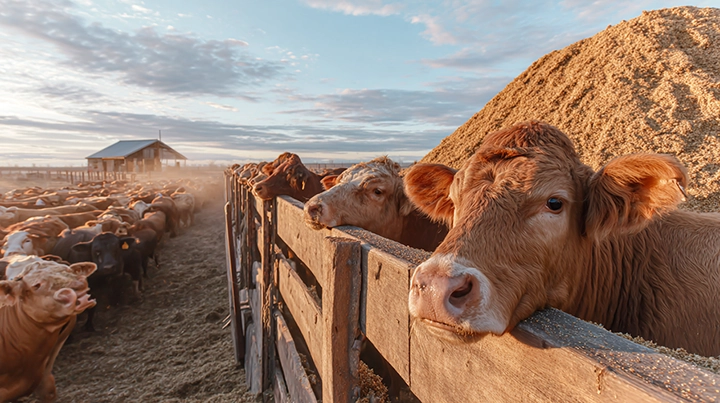
While much attention is paid to disease management during the growing season, this research highlights an oft-overlooked vulnerability: post-harvest storage. If grains are not dried rapidly or stored in well-ventilated, humidity-controlled environments, fungal colonization can escalate quickly. A poorly managed silo becomes an incubator, turning a heatwave into a food safety crisis.

And it’s not just about the individual farmer. For exporters, the presence of mycotoxins—even in trace amounts—can derail entire shipments. Many countries enforce strict maximum allowable levels for compounds like DON and fumonisins. Fail those tests, and you’re looking at financial loss, regulatory penalties, or damaged brand trust.
Redefining Resilience: From Agronomy to Toxicology
Sorghum has long been labeled “climate-resilient.” But this study forces us to ask: resilience against what? If a crop survives drought but succumbs to fungal toxicity after harvest, can we still call it resilient?
True resilience must now include fungal resistance and mycotoxin mitigation. That means rethinking breeding priorities, improving drying technologies, and deploying real-time environmental monitoring systems that detect fungal thresholds in storage facilities.
The Mycelial Message: Time, Temperature, and the Cost of Delay
One of the most powerful takeaways from the study is that time matters. The longer sorghum sits in humid, warm environments, the higher the probability of contamination. Monitoring efforts must therefore move from reactive to predictive. Storage facilities should be equipped not just with thermometers and moisture meters, but with early-warning systems tied to fungal behavior models.
This is where interdisciplinary research becomes crucial. Agronomy, mycology, climatology, and supply chain logistics are no longer separate silos—they must operate as one fungal-aware network.
The MoldNews Verdict: A Crisis in the Making—Unless We Act
This isn’t about fear. It’s about foresight. The fungi are not waiting for permission to act—they’re already here, tuned to the signals of seasonal humidity and harvest timing. If we don’t build systems that respond just as quickly, we’re letting a slow, invisible crisis ferment beneath our feet.
Sorghum’s future remains bright—but only if we match its strength with ours. Because summer isn’t just hot anymore. It’s fungal.
References
Academic
- Zhang, L., et al. (2023). Interaction of Fusarium species and mycotoxin production in sorghum under temperature and humidity shifts. Food Microbiology, Elsevier. Link
Official
- FAO (2022). Mycotoxin contamination in cereals and global food safety. FAO Website