There are topics in science that stay in textbooks.
And then there are those that begin to move the world — quietly, steadily, and with mounting influence. Zearalenone is the latter. A toxin you’ve likely never heard of unless you’ve walked the fields of crop science, studied food safety, or stepped inside the corridors of biotechnology.
But its effects? Profound.

Source: Wikimedia Commons, CC BY-SA 4.0
What Is Zearalenone — And Why Does It Matter?
According to recent market research, the development of zearalenone-targeting antibodies is gaining noticeable momentum. Estimates suggest the global market could grow from approximately $11.8 million in 2023 to over $45 million by 2031.
While this data doesn’t imply a financial recommendation, it highlights an important global trend: growing awareness, investment in research, and increasing demand for diagnostic solutions in the face of toxin-related risks.
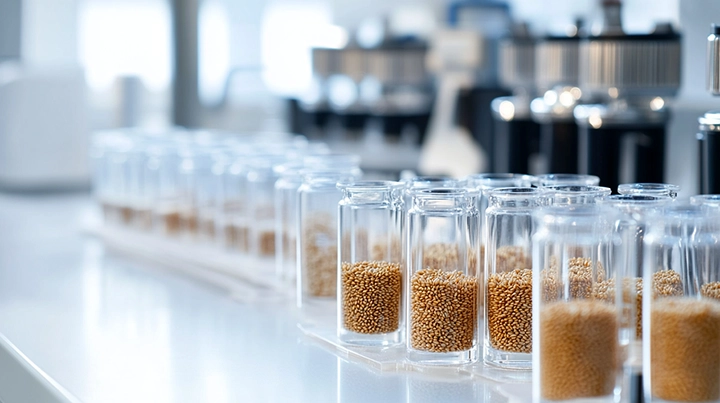
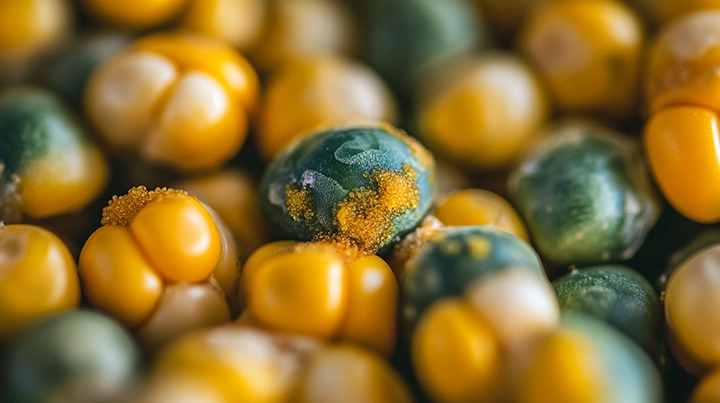
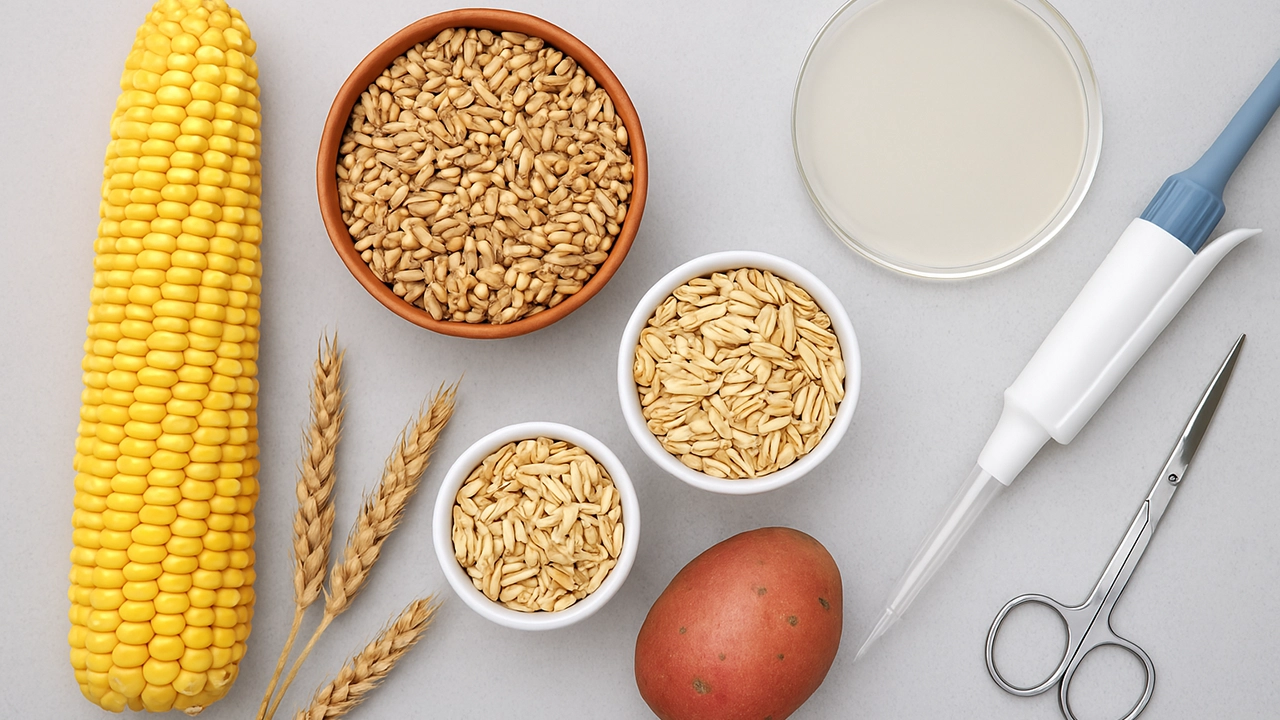
Zearalenone is a mycotoxin produced by certain Fusarium fungi. It thrives in grains like corn, wheat, and barley — especially when crops are stressed by humidity and poor storage.
But it isn’t just a nuisance for farmers.
Zearalenone mimics estrogen. It’s what scientists call “estrogenic” — meaning it can disrupt hormone systems in both humans and animals. The toxin’s presence has been linked to reproductive issues, especially in livestock. In humans, long-term exposure is a growing concern in public health circles, although research continues.
For decades, zearalenone flew under the radar. But now, with increasing global focus on food safety and endocrine disruptors, it’s stepping into the spotlight. The world is becoming more attuned to what’s entering our food systems — and what that means for long-term health.
What’s Changing in Science and Industry?
One of the most notable shifts is how detection has evolved. In the past, identifying zearalenone in food and feed took time — and often, by the time results came in, contamination had already done damage. But antibody-based technologies are changing that.
Antibodies — particularly monoclonal and polyclonal — are now being developed to detect zearalenone with remarkable accuracy. These are tools used in diagnostics, helping laboratories detect toxins faster and with greater reliability.
ELISA tests, immunofluorescence, and immunohistochemistry are among the primary methods now leveraging these antibodies.
Biotech companies are contributing to this transformation. From Europe to North America, and across Asia, research labs and production firms are refining how we spot mycotoxins.
And with climate change shifting the fungal ecology of many agricultural zones, there’s a sense of urgency.
It’s not simply about science anymore — it’s about preparedness.
Food security, agricultural health, and public trust all depend on the ability to manage invisible threats like zearalenone.
Global Market Trend Towards Mycotoxin Antibody
Recent life science advancements highlight a focus on sophisticated biological tools.
Merck‘s May 2024 acquisition of Mirus Bio to enhance gene and cell therapy, while not mycotoxin-specific, signals investment in antibody-based technologies with diagnostic potential.
Similarly, Proteintech’s April 2024 launch of the MultiPro™ Antibody Cocktail showcases evolving antibody research that could indirectly impact contaminant diagnostics like zearalenone.

Source: Wikimedia Commons, CC BY-SA 4.0
Globally, mycotoxin management varies. North America and Europe have strong regulations and testing, but emerging agricultural economies in Asia-Pacific, Latin America, and Africa face uneven access despite growing awareness.
International cooperation, research sharing, and affordable testing technologies are crucial to bridge this gap.
Despite regional differences, the shared goal is safer food through better diagnostics and prevention.
Stakeholders are exploring:
- Routine mycotoxin testing across stages
- Transparent toxin reporting for traceability
- Incentives for toxin-free certification aligning stakeholders
These strategies improve public health, reduce costs, enhance export readiness, and build supply chain resilience.
Beyond the Lab — The Broader Implications
The rise of zearalenone antibody research offers a deeper reflection of our time. It’s a convergence of science, policy, and public health.
We are learning to see food not just as a commodity, but as a system — one deeply affected by biology, climate, and global movement.
And within that system, mycotoxins like zearalenone serve as both a challenge and an indicator: of how well we store food, how fast we act, and how much we invest in science that protects people before they fall ill.
Zearalenone may be invisible to the naked eye, but it is no longer hidden.
From crop fields to lab benches, from policy rooms to international research journals, it is part of a much larger conversation.
This conversation isn’t just about a single toxin.
It’s about how we, as a global community, respond to subtle but significant risks — not with fear, but with understanding, with science, and with coordinated action.
References
- FAO/WHO Joint Expert Committee on Mycotoxins (JECFA) Report, 2022
- PubMed: Reproductive toxicity of zearalenone in mammals (2018).
- EFSA (2023). Mycotoxin Regulations and Risk Assessment in Europe.