A New Era of Invisible Outbreaks
Why are fungal diseases becoming a growing public health threat?


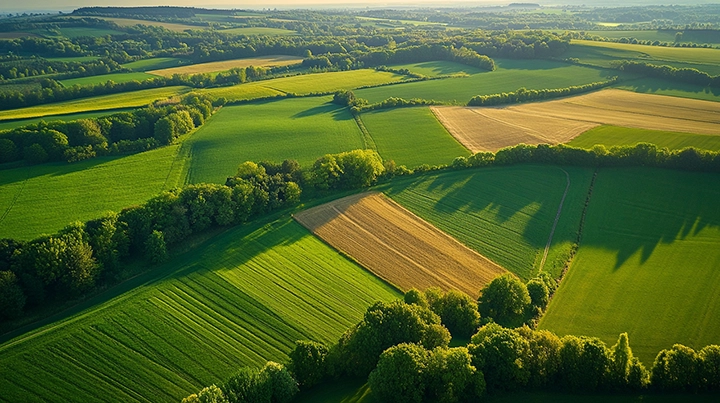
Across hospital corridors, desert landscapes, urban construction zones, and mobile field labs, a new public health frontier is quietly emerging. Fungi, once treated as background environmental organisms, are now recognized as adaptive pathogens with growing clinical impact.
A report highlighted by National Geographic introduces a new type of investigator: fungal outbreak detectives. These specialists work across disciplines, tracing infections that often evade conventional diagnosis and surveillance systems.
Fungal diseases are no longer confined to predictable geographic zones. They are appearing in hospitals, cities, and unexpected climates. Understanding these outbreaks requires tracking how spores move through air, soil, infrastructure, and changing weather patterns.
This marks a shift in epidemiology—one that requires thinking not just like a clinician, but like a system that follows spores across environments.
When Climate Reshapes Pathogens
How is climate change accelerating fungal disease emergence?

A clear pattern is emerging: fungal diseases are increasing faster than current surveillance systems can track them.
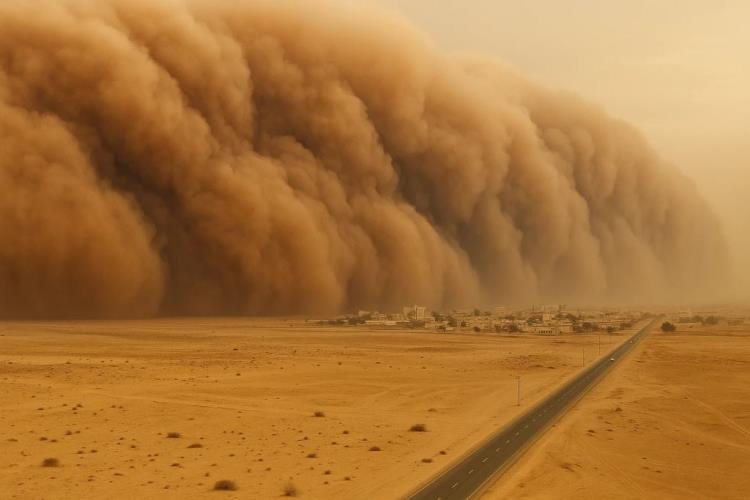
Climate change is reshaping fungal behavior. Rising temperatures push fungi to tolerate higher heat, weakening a natural defense barrier that once limited their ability to infect humans. Drought and dust storms release dormant spores, allowing them to travel across vast distances and enter respiratory systems.
Human activity further amplifies this effect. Construction, agriculture, and land disturbance expose long-buried fungal reservoirs. Extreme weather events disrupt ecological balance, removing constraints that previously kept fungal populations in check.
Real-world examples reflect this shift. Valley fever is expanding beyond desert regions. Candida auris has spread globally through healthcare systems. New fungal pathogens continue to appear in human infections.
This is not just redistribution—it is active evolutionary pressure shaping fungal survival.
The Diagnostic Blind Spot
Why are fungal infections often misdiagnosed or detected late?
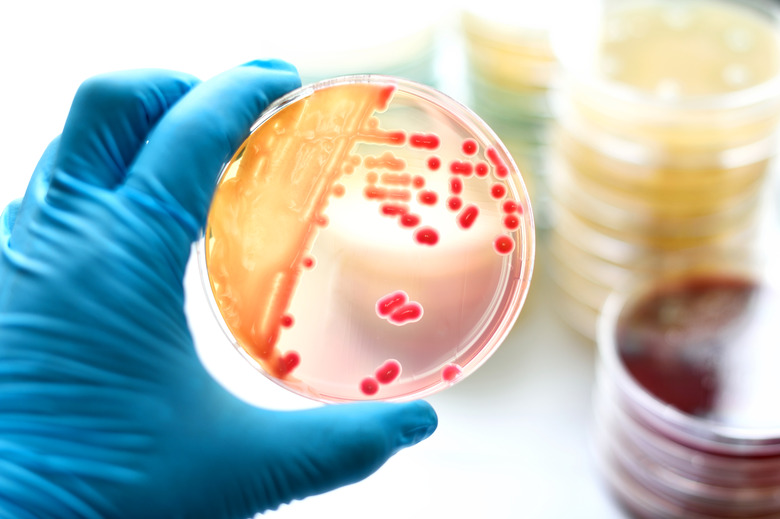
Fungal infections often begin with symptoms that appear deceptively familiar—fever, cough, fatigue, and respiratory distress. These signs closely resemble viral or bacterial diseases, leading to misinterpretation.
Modern healthcare systems are optimized to detect bacteria and viruses, not fungi. Patients may receive antibiotics, test negative for viral infections, and show non-specific imaging results. Meanwhile, fungal cultures can take days or weeks to confirm.
This delay creates a critical diagnostic gap. By the time fungal infection is considered, the disease may have progressed significantly. During this window, exposure sources remain unidentified, and outbreaks may continue to spread.
Fungi do not need to overwhelm systems—they exploit what systems are not looking for.
The Investigators Who Trace the Invisible
What do fungal outbreak detectives actually do?


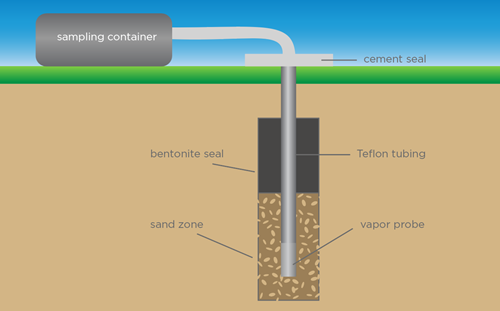
Fungal outbreak detectives operate at the intersection of epidemiology, environmental science, and molecular biology. Their work extends far beyond hospital settings.
They collect samples from air, dust, soil, ventilation systems, and construction sites. They analyze environmental conditions and trace patient movement patterns to identify potential exposure points.
Genomic sequencing allows them to compare fungal DNA from patients and environmental sources, linking infections to specific locations or materials.
Some outbreaks originate from disturbed landscapes. Others are linked to contaminated infrastructure or medical supplies. In certain cases, entirely new fungal pathogens are identified.
Each case is less like diagnosing illness—and more like reconstructing an invisible ecological event.
When Fungi Outsmart Medicine
Why are fungal infections becoming harder to treat?
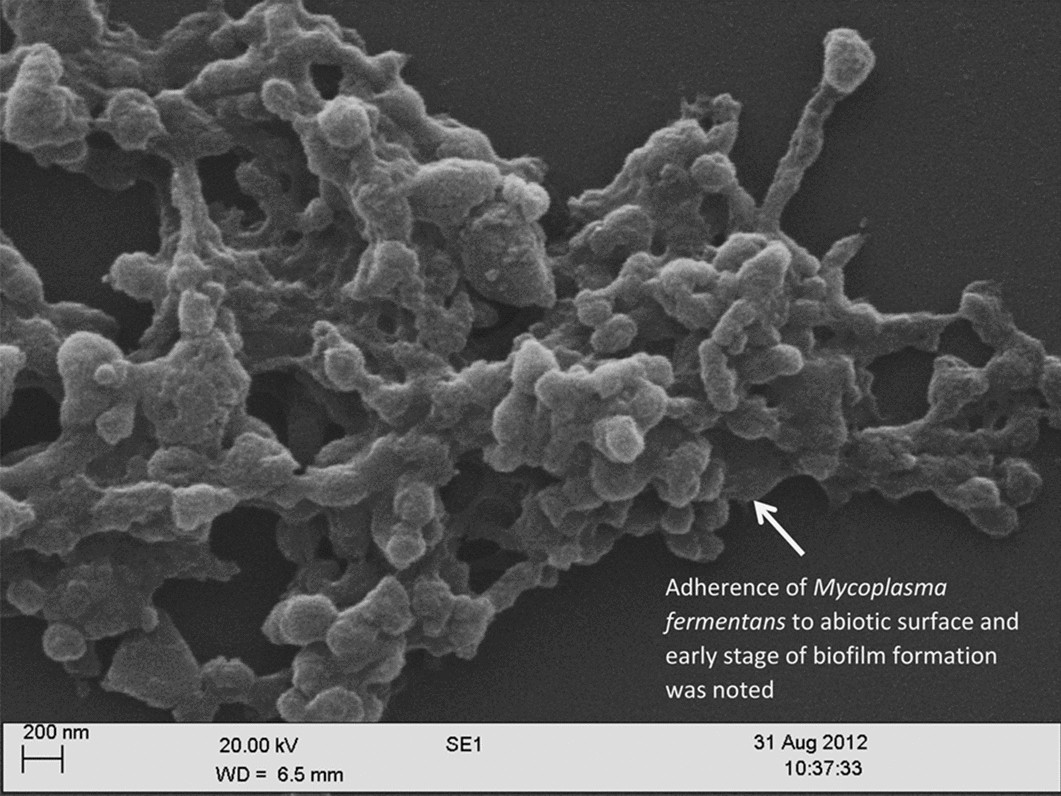


Fungal pathogens are not only spreading—they are becoming more difficult to treat.
Many species are developing resistance to azole antifungal drugs, reducing the effectiveness of standard therapies. Some fungi form biofilms, protective structures that shield them from treatment and allow infections to persist.
Slow growth further complicates treatment decisions. Clinicians often must act before definitive identification is available. At the same time, antifungal drug development has not kept pace with antibacterial advances.
The result is a widening gap between rising infection rates and limited treatment options.
Public Health Must Become Ecological
Why does understanding fungal outbreaks require ecological knowledge?
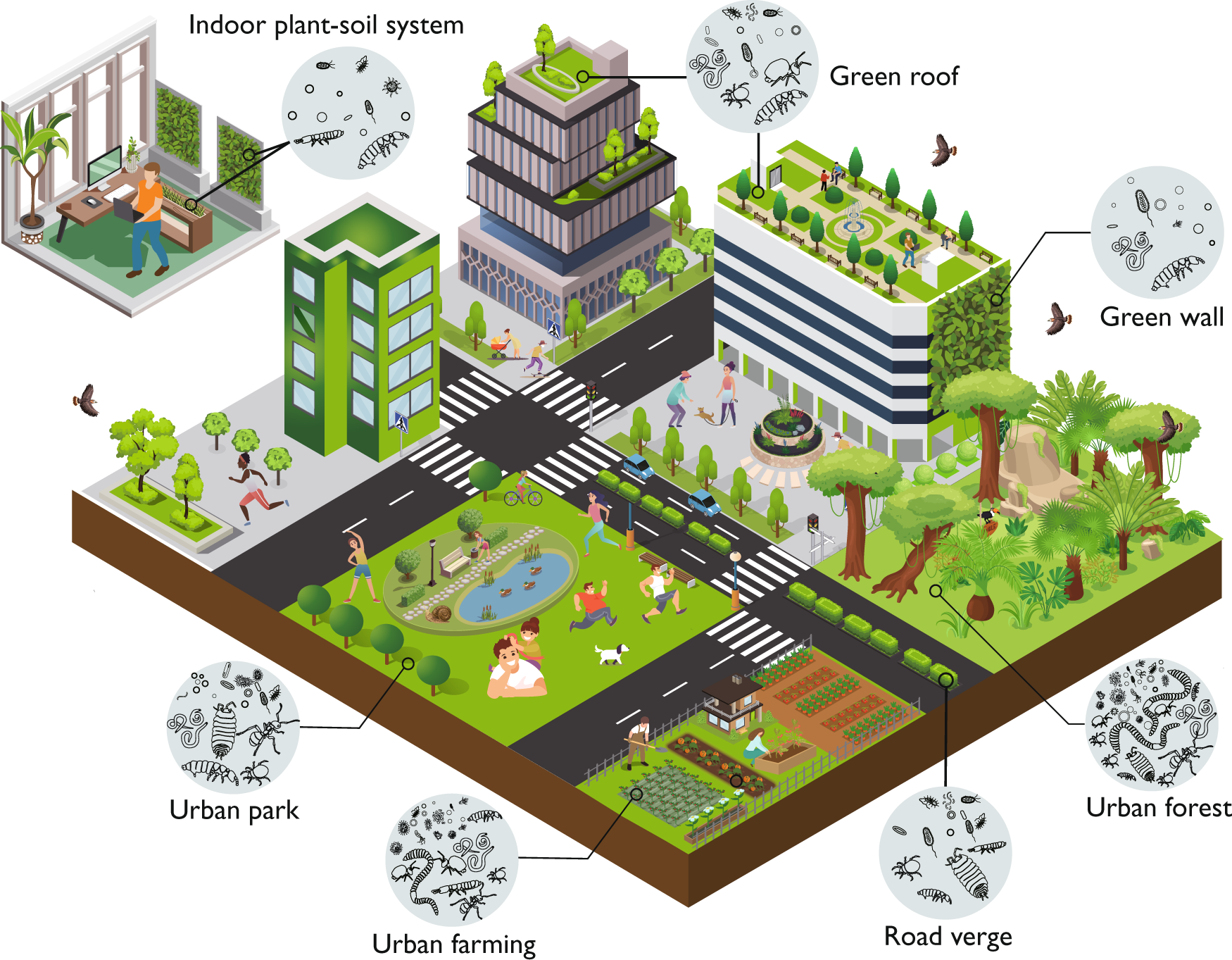
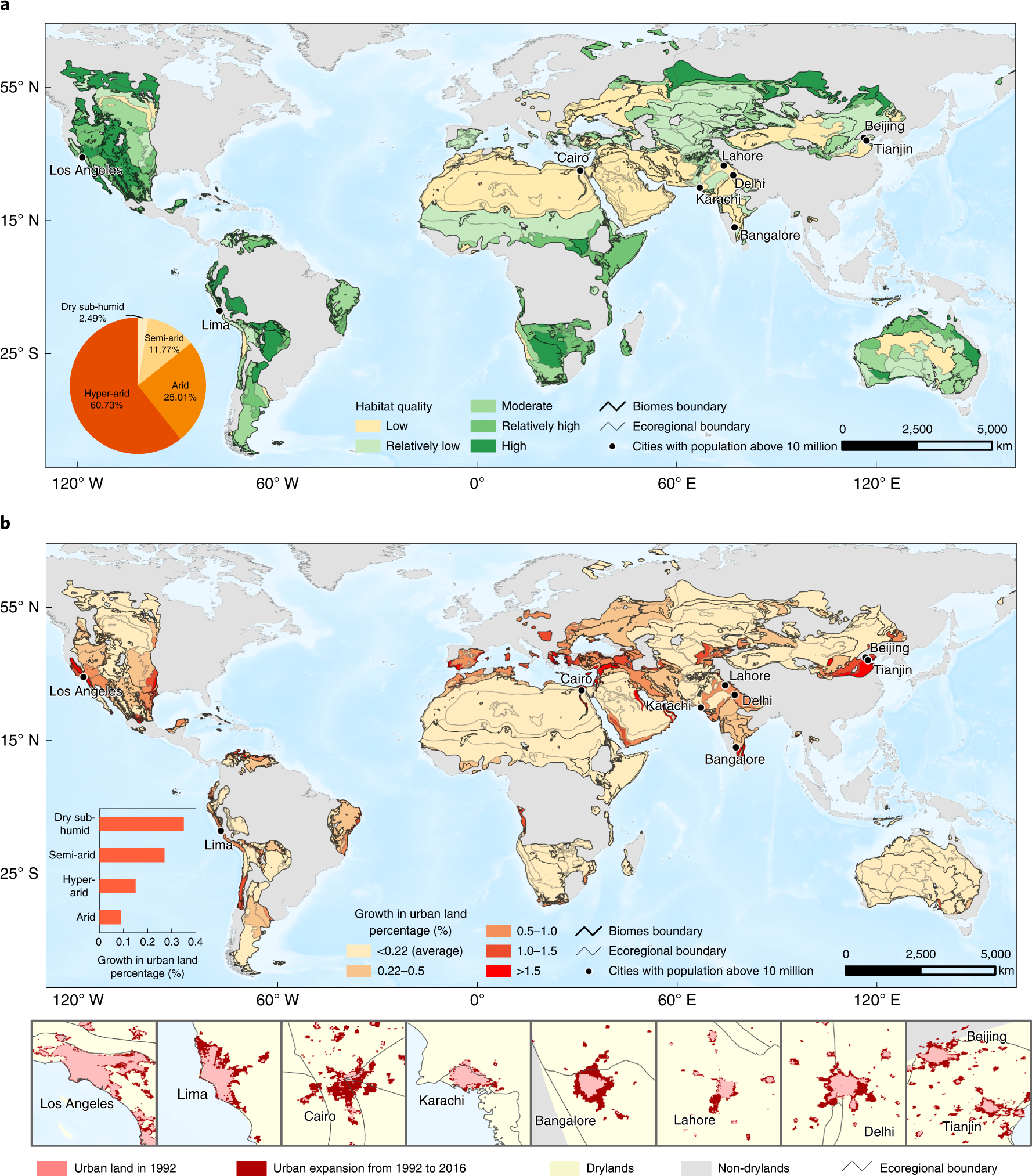

Fungal outbreaks rarely originate solely within hospitals. They emerge from environmental conditions shaped by climate, land use, and ecosystem dynamics.
Temperature, humidity, drought, soil disturbance, wildlife movement, and urban expansion all influence fungal growth and spore dispersal. These variables determine when and where outbreaks occur.
This means public health cannot operate independently from environmental science. Understanding disease now requires understanding ecosystems.
Fungal outbreaks are ecological phenomena that manifest as medical crises.
What This Means for Public Health
How should healthcare systems respond to rising fungal threats?

The rise of fungal diseases signals a need for systemic change in public health strategy.
Improved response will require faster diagnostics, expanded environmental surveillance, and stronger investment in antifungal research. Healthcare systems must integrate climate data and ecological monitoring into predictive models.
Collaboration across disciplines—medicine, microbiology, ecology, and environmental science—will become essential.
Fungal outbreaks are not anomalies. They are early signals of a shifting microbial landscape shaped by global change.
❓ FAQ
What are fungal outbreak detectives?
Fungal outbreak detectives are scientists and public health experts who investigate the origins and spread of fungal infections. They combine environmental sampling, epidemiology, and genomic analysis to trace outbreaks.
Why are fungal diseases increasing globally?
Climate change, environmental disruption, and global travel are expanding the range and adaptability of fungal pathogens. These factors allow fungi to spread into new regions and infect new hosts.
Why are fungal infections hard to diagnose?
Fungal infections often mimic common respiratory illnesses and require specialized tests for confirmation. Slow-growing cultures and limited rapid diagnostics can delay accurate diagnosis.
What is antifungal resistance?
Antifungal resistance occurs when fungal species evolve to survive treatments that were previously effective. This reduces treatment options and can make infections more difficult to control.
How can public health systems improve fungal outbreak response?
Improvements include developing faster diagnostic tools, increasing environmental monitoring, investing in antifungal research, and integrating ecological data into disease surveillance systems.