Unseen Partnerships Beneath Our Feet
Take a walk through any field, forest, or garden, and you might be tempted to credit the lushness to good soil, sunlight, or just a little luck. But, as this insightful editorial from Frontiers in Microbiology reminds us, the true architects of plant health and resilience are often hidden from sight. Underneath every living landscape, a vibrant alliance is at work—where fungi, bacteria, and roots are in constant conversation, negotiating the terms of growth, defense, and survival.
This isn’t just an academic curiosity. As climate pressures mount and agriculture faces new challenges, understanding these ancient cross-kingdom alliances could reshape how we grow food, protect ecosystems, and even engineer new solutions for a rapidly changing planet.
Fungi Don’t Work Alone—And That’s the Secret
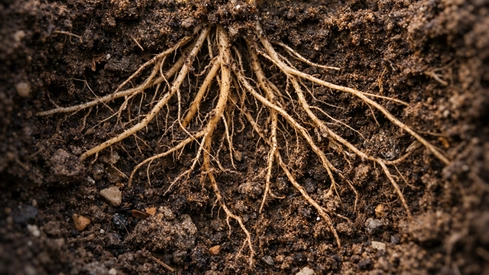
Most readers know the basics of mycorrhizal fungi—the underground partners that extend a plant’s reach, swapping nutrients for sugars and helping crops thrive with less fertilizer. But fungi aren’t the only players. Right beside them, root-associated bacteria, or plant growth-promoting rhizobacteria (PGPR), cluster near and even inside roots, contributing their own talents: breaking down nutrients, protecting against disease, and helping plants withstand stress.
What the editorial argues is simple but profound: we need to look beyond the fungus or bacterium in isolation, and instead see the entire microbial “orchestra” at the root-soil interface. It’s in the collaboration, not the competition, that plant success is truly forged.

Cross-Kingdom Cooperation: The Science in Motion
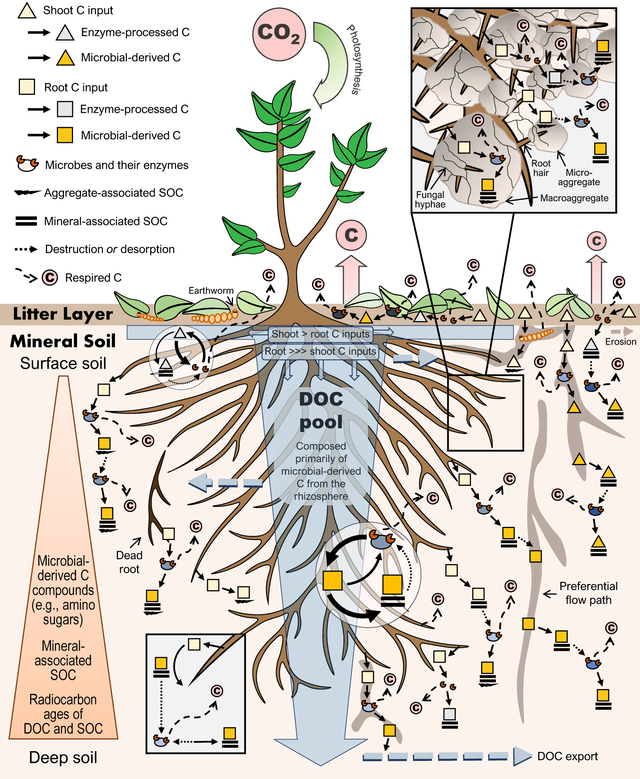
Plants send out a complex mix of root exudates—sugars, amino acids, and signaling molecules—to attract the microbial partners they need. Fungi weave vast mycorrhizal networks, extending the plant’s access to water and minerals. Meanwhile, bacteria not only colonize root surfaces but also hitch rides on fungal hyphae, assisting in nutrient solubilization, pathogen defense, and even communication.
These interactions aren’t just elegant—they’re powerful. The article suggests that instead of adding single microbial “super strains” to soils, the future may lie in designing synthetic microbial communities (SynComs): pre-assembled, stable combinations of fungi and bacteria that function like a well-rehearsed symphony. By harnessing this cross-kingdom teamwork, researchers envision crops that are more drought-tolerant, less dependent on chemical fertilizers, better at capturing carbon, and more resilient to climate shocks.

Why This Matters: Food Security, Climate
It’s easy to focus on fungi as household nuisances or food spoilers, but this editorial challenges us to see them as ecosystem engineers—critical for food security, soil health, and climate adaptation.
Fungi don’t act alone. Their behaviors, strengths, and weaknesses depend on the company they keep: the plant hosts, the bacterial partners, and the environmental backdrop. By engineering or managing these alliances, we could transform sustainable agriculture—not by fighting nature, but by learning from its oldest partnerships.
From Soil to Indoors: The Mold Continuum
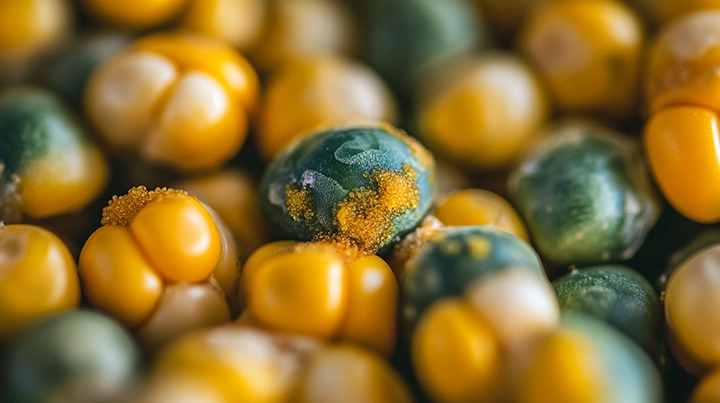
You might wonder, what do these root alliances have to do with indoor mold? More than you think. The genera that help plants thrive outdoors—like Trichoderma, Penicillium, Fusarium, Aspergillus, and Alternaria—are the very same that can invade our walls, air ducts, and food. Their flexibility, adaptability, and talent for cooperation come from their evolutionary history as “team players” in the wild.
Understanding how fungi work with other microbes—how they share, compete, or defend—can help us predict which species are likely to adapt to indoor life, how they’ll behave under stress, and even how we might use beneficial strains for biocontrol or green building materials.

The Big Lesson: Designing with Nature, Not Against It
The editorial closes with a challenge: shift our mindset from adding microbes to soil “hoping for the best” to assembling and maintaining true microbial alliances. Whether in agriculture or environmental engineering, success will come not from isolating winners, but from creating harmony. Fungi can be collaborators, not just competitors—and the most resilient systems are those built on diversity, flexibility, and connection.
What I find most moving about this story is its celebration of partnership—humble, invisible, and ancient. The future of agriculture, sustainability, and even our homes may depend on how well we learn from these alliances. Instead of fighting nature’s networks, we can work with them—designing soils, crops, and even buildings that are stronger, healthier, and more resilient.
In a world that often prizes individual achievement, the lesson beneath our feet is one of community, communication, and shared survival. That’s a tune worth listening to—every time we walk across a patch of earth.
References
Academic sources
de Vries, F. T., & Wallenstein, M. D. (2017). Below-ground connections underlying above-ground food production. Frontiers in Microbiology, 8, 1480. https://doi.org/10.3389/fmicb.2017.01480
Vorholt, J. A., Vogel, C., Carlström, C. I., & Müller, D. B. (2017). Establishing causality: Opportunities of synthetic communities for plant microbiome research. Cell Host & Microbe, 22(2), 142–155. https://doi.org/10.1016/j.chom.2017.07.004
Official / institutional sources
Food and Agriculture Organization of the United Nations (FAO). Soil biodiversity and ecosystem services. https://www.fao.org/soils-portal/soil-biodiversity/en/
National Institutes of Health (NIH). Microbiome research overview. https://commonfund.nih.gov/microbiome