In the relentless battle against plastic pollution, the world has often turned to machines, microbes, and chemistry—but rarely has the solution seemed as elegant, simple, and scalable as what this new Japanese study unveils. Imagine a process that doesn’t require genetic tinkering, fancy reactors, or harsh chemicals. Instead, it harnesses a humble soil fungus and a sprinkle of calcium, working together at the right pH, to transform the future of bioplastic waste.
A Fungal Revolution: From Soil to Solution
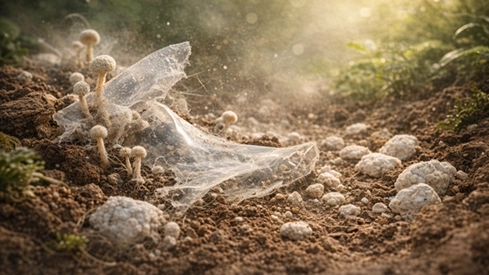
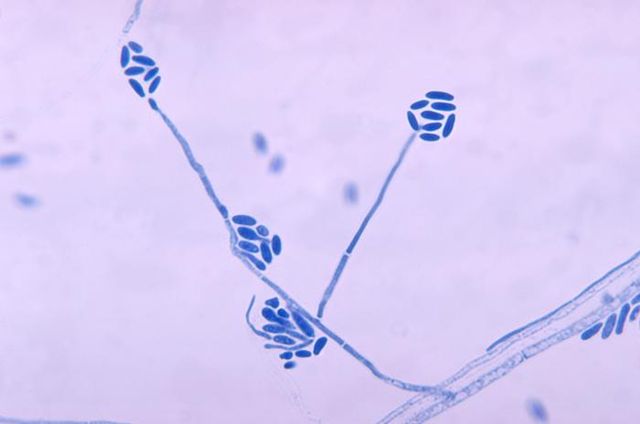
At the heart of this breakthrough is Purpureocillium lilacinum (strain BA1S), a filamentous fungus once known to farmers as a biocontrol agent. Now, it’s stepping onto the world stage as a biotechnological ally. The research team found that when biodegradable plastic (PBAT)—a common biodegradable plastic used in bags, mulch films, and packaging—was exposed to the right conditions, the fungus began to feast.
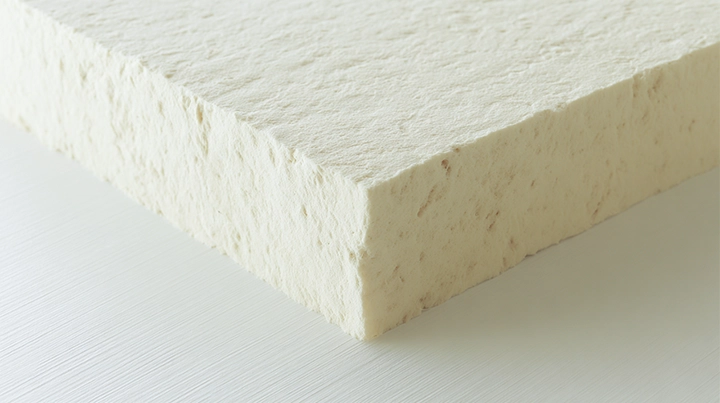
Here’s the recipe: PBAT plastic, a mildly alkaline environment (pH 7.5), and the addition of readily available calcium salts. In just two weeks, over half the plastic film was physically degraded—an astonishing pace in the context of plastic pollution, where “biodegradable” materials too often persist for years.
The Biochemical Choreography: Fungi and Calcium
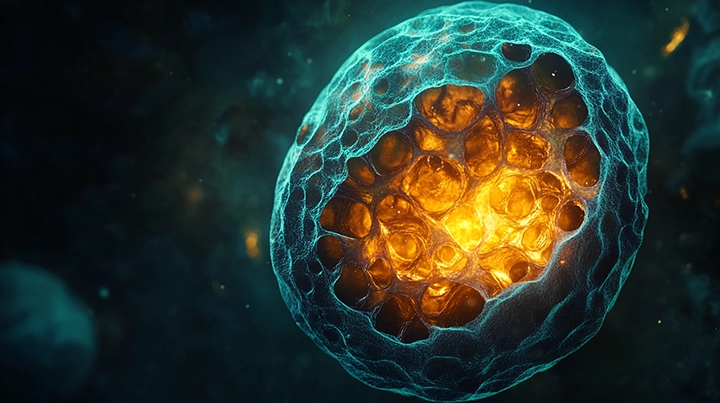
What’s truly fascinating isn’t just the speed, but the mechanism. Using powerful microscopy and molecular tools, the researchers observed P. lilacinum shifting into a plastic-eating mode. Genes for biosurfactants and transporters fired up, allowing the fungus to adhere to, attack, and assimilate the polymer. Simultaneously, basic metabolic genes dialed down—evidence of a targeted reprogramming for plastic digestion.
The real star of this molecular drama is PlCut, a fungal cutinase enzyme. Normally, cutinases struggle with industrial plastics. But here, calcium acts as a stabilizing co-factor, improving enzyme conformation and catalytic efficiency. The result is not merely surface erosion, but genuine chemical cleavage of PBAT polymer chains.

Why This Matters: From Lab Bench to Compost Bin
Unlike many laboratory-only solutions, this method is gentle and practical. No genetic modification of the fungus was required; no toxic solvents, no exotic feedstocks. The ingredients—soil fungi, calcium ions, and mild alkalinity—already exist in agricultural soils, composting systems, and waste treatment environments.
This distinction matters because many commercial “biodegradable” plastics fail to degrade efficiently outside industrial composting facilities. By aligning biological capability with realistic environmental conditions, this study brings bioplastic degradation closer to something that can actually happen at scale.

The Future: From Fungal Partnerships to Plastic Solutions
Purpureocillium lilacinum is unlikely to be alone in this ability. Other fungi—such as Aspergillus niger, Trichoderma reesei, Penicillium species, Fusarium solani, and even indoor Cladosporium—are already known for producing industrially relevant enzymes.
Rather than engineering a single “super fungus,” the future may lie in designing fungal consortia and environmental recipes that target different polymers under different waste conditions. Composting centers, agricultural soils, and even landfill margins could be optimized not by force, but by ecological collaboration.

Nature’s Quiet Chemists
This research is a reminder that solutions to modern environmental crises do not always require radical invention. Fungi have spent hundreds of millions of years dismantling the planet’s toughest materials—wood, lignin, cutin, and complex polymers synthesized by plants.
With the right partners and conditions, they may be ready to help us dismantle our own creations as well. Plastic pollution is a human problem, but its solution may depend on listening more carefully to the quiet chemistry already humming beneath our feet.
References
Academic sources
- Yoshida, S. et al. (2024). Calcium-enhanced fungal cutinase activity enables efficient PBAT biodegradation. Journal of Hazardous Materials, 455, 131555. https://doi.org/10.1016/j.jhazmat.2023.131555
- Danso, D., Chow, J., & Streit, W.R. (2019). Plastics: Environmental and biotechnological perspectives on microbial degradation. Applied and Environmental Microbiology, 85(19). https://doi.org/10.1128/AEM.01095-19
Organisms & materials
- Purpureocillium lilacinum — https://en.wikipedia.org/wiki/Purpureocillium_lilacinum
- Poly(butylene adipate-co-terephthalate) (PBAT) — https://en.wikipedia.org/wiki/Polybutylene_adipate_terephthalate
- Cutinase — https://en.wikipedia.org/wiki/Cutinase