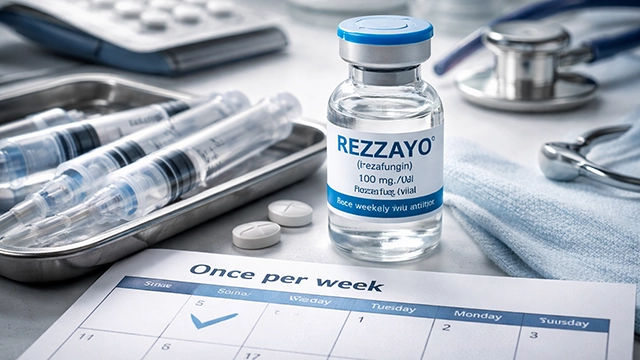
A New Era for Anti-fungal Medicine
For decades, the world of antifungal therapy changed at a glacial pace. Patients battling deadly blood-borne fungal infections such as candidemia, or difficult-to-treat invasive candidiasis, depended on daily infusions of the same limited class of drugs—tied to hospital beds, central lines, and the grind of side effects. The approval of Rezzayo (rezafungin) in 2023 upended that status quo. As the first new echinocandin in over a decade, and the only one to offer a once-weekly dosing schedule, Rezzayo promised to rewrite the rules for treating serious fungal disease.
Now, with real-world evidence presented at global infectious-disease meetings, we can say with confidence: Rezzayo delivers. In diverse, heavily pretreated patient populations—including many who had failed on other antifungals—Rezzayo achieved an 88% success rate, not only for candidemia and invasive candidiasis, but even for some challenging respiratory mold infections. This performance isn’t just academic—it’s a beacon for clinicians and patients seeking a way out of the hospital and back to their lives.

From Hospital-Only to Outpatient Freedom
Historically, echinocandin anti-fungals required daily intravenous infusions, usually through a central venous line—a setup that chained patients to inpatient care and exposed them to added risks and costs. Rezzayo changes the paradigm. With its once-weekly administration and compatibility with standard peripheral IVs, patients can now receive powerful antifungal therapy as outpatients, reducing hospital stays, lowering costs, and vastly improving quality of life. This shift is particularly impactful for those needing long-term therapy or living far from specialized hospitals.
The convenience goes hand-in-hand with broad-spectrum effectiveness, meaning even complex, treatment-resistant cases can often be managed safely and efficiently outside the hospital. It’s a transformation that echoes changes seen in HIV and hepatitis care—a leap from desperation to dignity and control.
Safety, Monitoring, and Clinical Pearls
Like any potent medicine, Rezzayo comes with caveats. Its most common side effects include electrolyte imbalances (like low potassium and magnesium), gastrointestinal symptoms (nausea, diarrhea, abdominal pain, constipation), and occasional infusion-related reactions (flushing, warmth, or rash). Some patients may experience fever, anemia, or abnormalities in liver function tests—so careful monitoring is recommended throughout therapy.
Importantly, Rezzayo is currently indicated for adults (18+), and clinical data beyond four weekly doses remain limited. Thus, therapy should be tailored to individual needs, with heightened vigilance for those with liver or kidney conditions, or other complicating illnesses. As always, medical supervision is essential, especially when novel drugs are deployed in new populations or settings.
Why Rezzayo Matters in a Shifting Fungal World
Beyond its clinical effectiveness, Rezzayo’s real impact lies in what it represents for global public health and antifungal stewardship. By making safe, potent therapy accessible in outpatient and even resource-limited settings, it offers a chance to reach patients who might otherwise go untreated or be trapped by the logistics of daily infusions. Its efficacy may help curb the overuse and resistance risks associated with older antifungals, buying precious time as the world faces a rising tide of fungal threats.
Fungal infections are poised to become an even greater public health concern, driven by climate change, more widespread use of immunosuppressive therapies, and increased hospitalizations worldwide. Rezzayo is a tool fit for this new landscape, enabling earlier, more flexible interventions and expanding the arsenal against deadly fungal pathogens.
Moreover, the success of once-weekly rezafungin opens the door for the development of similar long-acting antifungals—possibly extending benefits to other tough pathogens, including invasive molds. It’s a harbinger of innovation at a moment when the world urgently needs new answers.

Final Reflection
Rezzayo is more than just a new drug; it is a turning point in the fight against invasive fungal infections. It takes antifungal therapy out of the hospital, gives time back to patients, and adds a critical layer to the world’s infectious-disease defenses. For readers of MoldNewsHub, the arrival of Rezzayo is a signpost: the world of fungal medicine is evolving, and awareness, vigilance, and advocacy for global access are more vital than ever.
As fungal threats rise and new therapies emerge, MoldNewsHub will be here to track the science, highlight innovations, and help readers navigate the rapidly changing field of medical mycology.
References
Academic sources
Thompson, G. R., et al. (2023). Rezafungin for the treatment of candidemia and invasive candidiasis. Clinical Infectious Diseases, 76(5), 856–864. https://doi.org/10.1093/cid/ciac709
Official / institutional sources
U.S. Food and Drug Administration (FDA). Rezzayo (rezafungin) prescribing information. https://www.fda.gov/drugs
Centers for Disease Control and Prevention (CDC). Invasive candidiasis statistics and treatment. https://www.cdc.gov/fungal/diseases/candidiasis/invasive