When Ecosystems Lose Their Balance
Invasive species rarely arrive quietly.
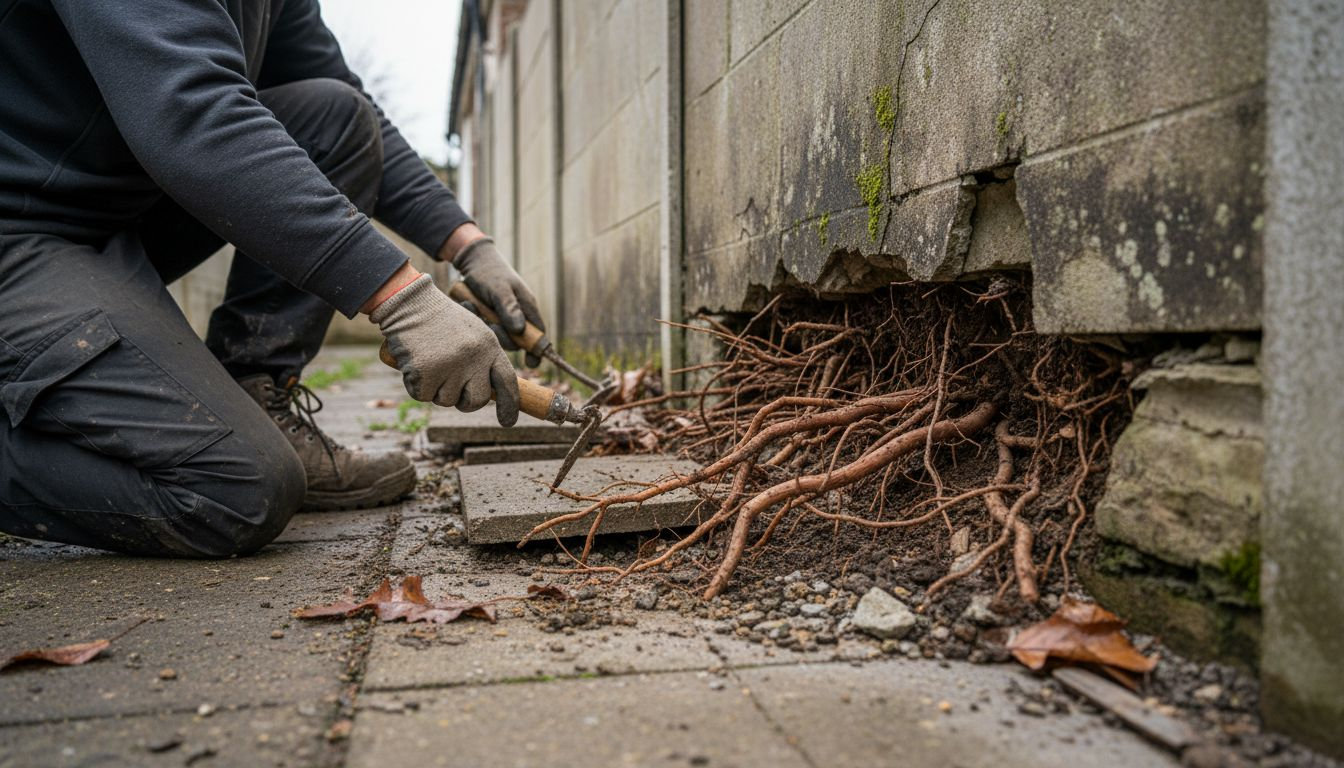
They expand with speed and persistence, outcompeting native plants, reshaping soil chemistry, and altering landscapes in ways that can feel irreversible. Japanese knotweed has become one of the most emblematic examples of this disruption—its dense growth overwhelming riverbanks, its roots penetrating infrastructure, and its resilience frustrating even the most aggressive control efforts.
For decades, the response has been direct and forceful. Herbicides, excavation, and physical barriers have been deployed in an attempt to remove the invader from the landscape. Yet these methods often prove temporary. The plant returns, the cycle repeats, and the underlying imbalance remains unresolved.
Removing the invader does not restore the system.
It simply resets the stage.
A different approach is now emerging—one that does not rely on force, but on restoring the internal dynamics of ecosystems themselves.

Fungi as Precision Counterforces
Fungi offer a fundamentally different form of intervention.
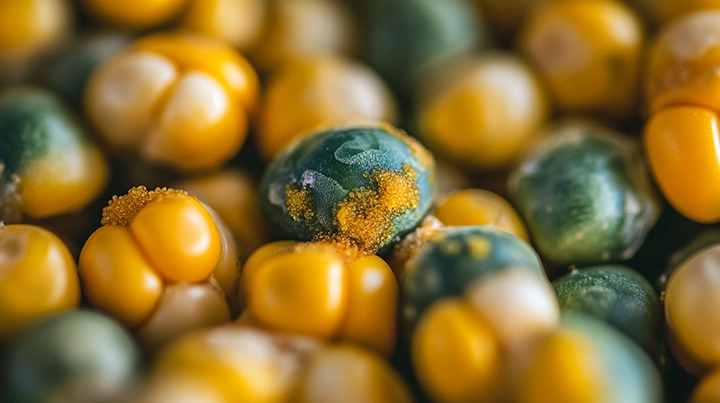
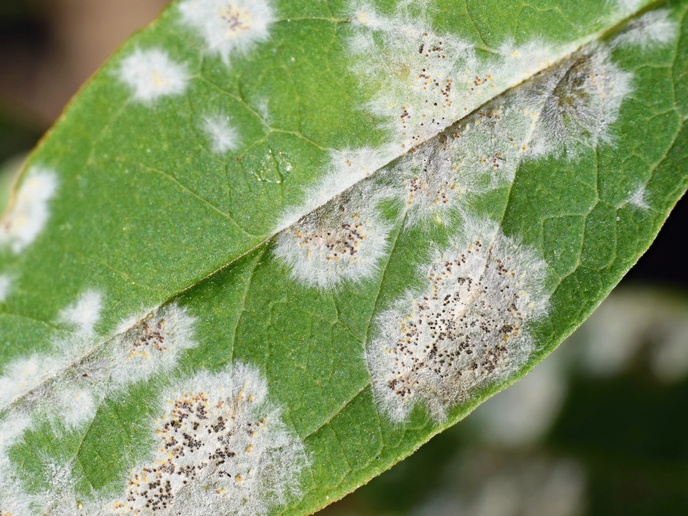
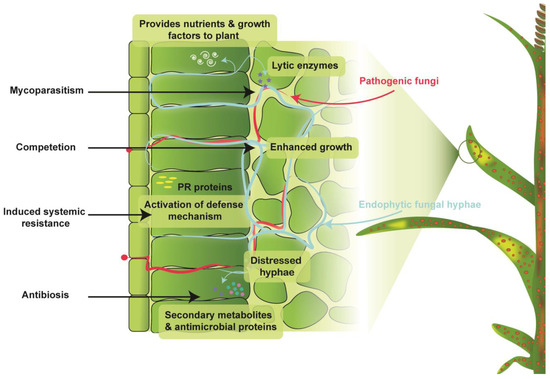
Rather than acting from the outside, they operate within the biological structure of invasive plants. Certain fungal species infect plant tissues, gradually weakening growth, reducing reproductive capacity, and limiting the plant’s ability to spread.
This process is not immediate. It unfolds over time, applying steady pressure rather than sudden removal.
What makes fungi particularly effective is their specificity. Many fungal pathogens are closely adapted to particular host species, allowing them to target invasive plants with minimal impact on surrounding vegetation. This precision transforms fungi into a form of ecological intervention that works with the system rather than against it.
Instead of eliminating the plant outright, fungi alter the conditions that allow it to dominate.
They shift the balance.

A Network of Ecological Allies
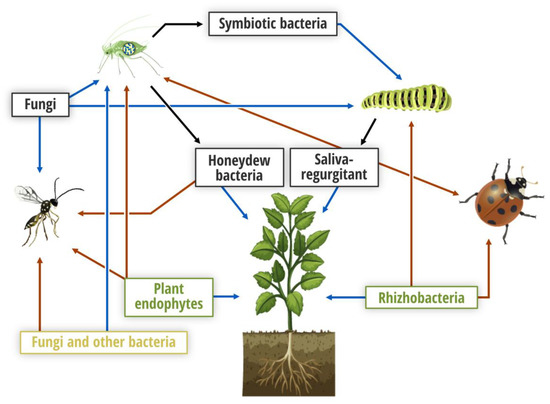
Fungi are part of a broader strategy that relies on multiple organisms working together.
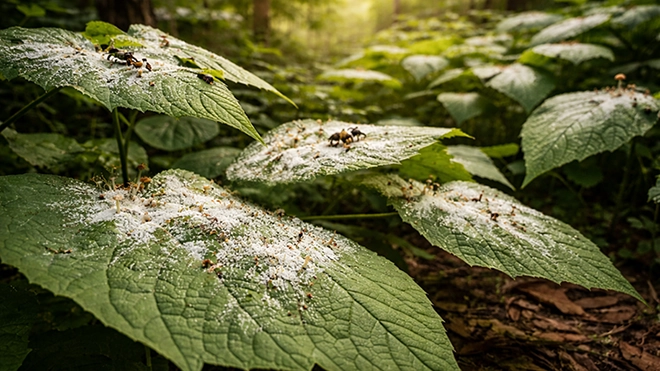
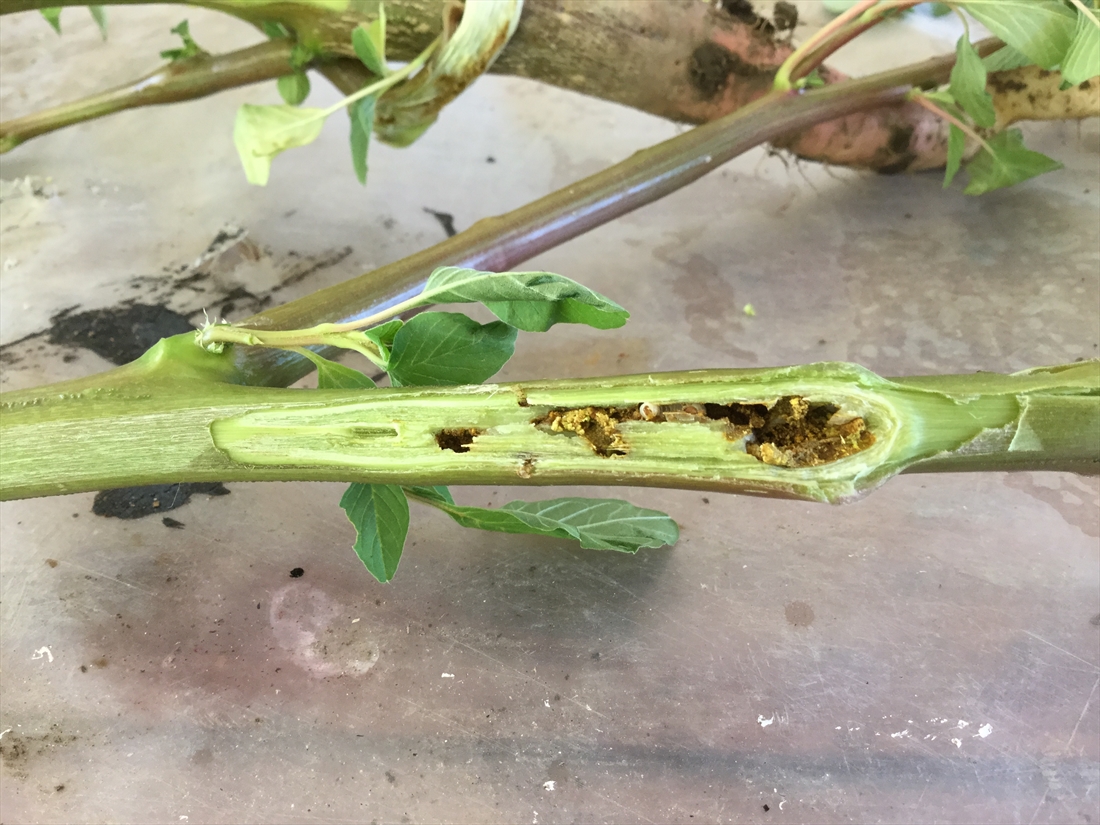
Insects such as weevils feed directly on invasive plants, damaging stems and reducing growth potential. In aquatic environments, species like crayfish reshape habitats, indirectly influencing plant populations by altering physical and biological conditions.
Each organism contributes a different form of pressure. Some attack the plant itself. Others modify the environment in ways that make dominance more difficult. Together, they form a distributed system of control.
This approach reflects how ecosystems function naturally. Balance is not maintained by a single force, but by interactions among many.
When these interactions are restored, the system begins to regulate itself.

From Eradication to Regulation
One of the most important shifts in this approach is conceptual.
Traditional methods aim for eradication—the complete removal of the invasive species. Biological control, by contrast, focuses on regulation.
The objective is not to eliminate Japanese knotweed entirely, but to reduce its dominance to a level where native species can compete and ecosystems can regain function. This distinction recognizes that ecosystems are dynamic systems, not static environments that can be reset to a fixed state.
Eradication often creates new imbalances. Regulation allows stability to emerge.
Fungi and their ecological partners do not impose control. They restore the conditions under which control becomes possible.
Working With Systems, Not Against Them
Biological control offers advantages that extend beyond effectiveness.
It is self-sustaining. Once established, fungal pathogens and associated organisms continue to exert influence without constant human intervention. It is integrated into the ecosystem, operating through natural relationships rather than synthetic inputs. Over time, it becomes more efficient, requiring less maintenance than repeated chemical treatments.
Perhaps most importantly, it aligns with the fundamental nature of ecosystems. These systems are built on interaction, adaptation, and feedback. Solutions that mirror these dynamics are more likely to persist.
Instead of forcing change, biological control allows change to unfold.


The Risks of Living Solutions
Introducing living organisms into ecosystems requires careful consideration.
A species introduced for control could behave unpredictably, affecting non-target organisms or spreading beyond its intended role. Outcomes may take time to emerge, requiring patience and long-term monitoring.
For these reasons, biocontrol strategies undergo extensive testing before implementation. Precision is essential, not only in targeting the invasive species but in maintaining the integrity of the broader system.
The goal is not intervention for its own sake, but intervention that strengthens ecological balance rather than undermines it.
A Shift in Environmental Thinking
The use of fungi and other organisms to manage invasive species reflects a broader transformation in how environmental challenges are approached.
Rather than imposing solutions from outside, scientists are increasingly working within ecosystems, leveraging the mechanisms that already exist to maintain balance. This approach recognizes that ecosystems are complex, adaptive systems that cannot be fully controlled through direct force.
They must be guided.
Fungi, in this context, are not simply tools. They are participants in a process that has been operating for millions of years—regulating growth, competition, and resource distribution across living systems.
When Balance Is Restored From Within
What emerges from this approach is a different understanding of how ecosystems recover.
Recovery is not imposed from above. It unfolds from within, through relationships that have evolved over time and respond to changing conditions with subtlety and precision. Fungi, insects, and other organisms act not as isolated tools, but as parts of a living system that adjusts itself continuously.
In this process, invasive species are not simply removed. Their dominance is reduced, their influence moderated, and their role reintegrated into a broader ecological context. Native species return not because space has been cleared, but because conditions have changed.
The system begins to function again.
And in that quiet return of balance, it becomes clear that the most effective form of control is not force, but understanding—an ability to recognize how life regulates itself, and to work with those mechanisms rather than against them.


❓ FAQ
What is biological control of invasive species?
It is the use of natural organisms, such as fungi or insects, to reduce invasive species and restore ecological balance.
How do fungi help control invasive plants?
Fungi infect plant tissues, weakening growth and reducing the ability of invasive species to spread.
Why not completely remove invasive species?
Eradication often fails to restore ecosystem balance. Regulation allows native species to recover naturally.
Is biological control safe?
It can be safe when carefully tested, but requires monitoring to avoid unintended ecological impacts.
How is this different from chemical control?
Biological control works within ecosystems and can be self-sustaining, while chemical methods require repeated intervention.
References
Academic Sources
Hajek, A. E., & Eilenberg, J. (2018). Natural enemies: An introduction to biological control. Cambridge University Press. https://doi.org/10.1017/9781107280267
Seastedt, T. R. (2015). Biological control of invasive plant species: a reassessment for the Anthropocene. New Phytologist. https://doi.org/10.1111/nph.13462
Gurr, G. M., et al. (2012). Multi-country evidence that crop diversification promotes ecological intensification of agriculture. Nature Plants.
Official Sources
Food and Agriculture Organization (FAO) – Biological control: https://www.fao.org
United States Department of Agriculture (USDA) – Invasive species management: https://www.usda.gov