The Hidden Teamwork of Toxins
If you thought one mycotoxin in your food was bad, try mixing a few together. A new national surveillance study from South Korea just dropped a scientific truth bomb: our food isn’t just contaminated by individual toxins—they’re showing up in clusters. And that means trouble. Big trouble.
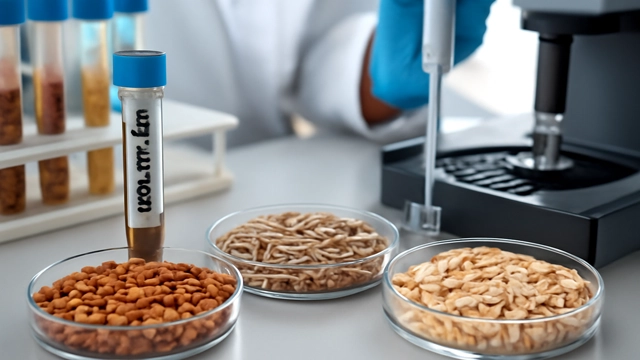
Scientists from the Ministry of Food and Drug Safety (MFDS) didn’t just look for a single bad actor. They screened 507 samples of cereal-based products sold in Korea for 13 different mycotoxins. The goal? Understand how often these toxins co-occur in foods we eat every day—like sorghum, brown rice, wheat flour, and Job’s tears (Coix lacryma-jobi). What they found should shake up how we think about food safety.

Co-Contamination Is Real (And It’s Quietly Common)
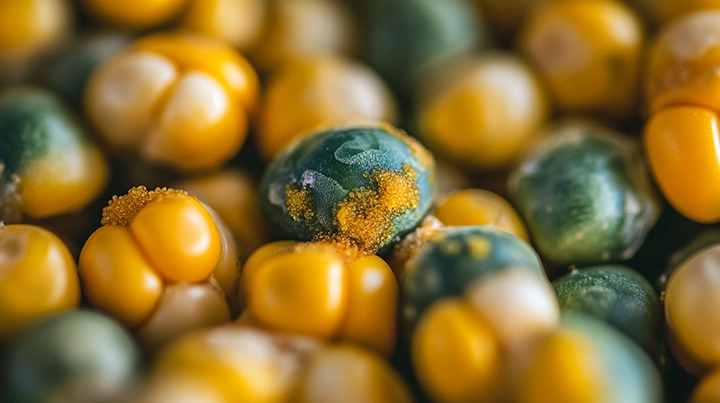
Let’s start with the headline stat: 4.4% of the samples contained more than one mycotoxin. That might seem small until you realize that traditional testing and regulation usually looks for only one toxin at a time. Imagine scanning for salmon but missing the sharks.
The most common combinations? Zearalenone (ZEA) with fumonisin B1 (FB1), and combinations involving deoxynivalenol (DON). These three aren’t just background noise in the fungal toxin world—they mess with reproductive hormones, gut linings, and immune responses. Separately, they’re toxic. Together? Potentially synergistic.
This is where toxicology hits a wall. Our safety limits assume exposure to one toxin. This study suggests real-world exposure could be more like an orchestra of poisons. Food toxicologists, time to rewrite the symphony.

Grains of Concern: Ancient, Healthy, and Infiltrated
Brown rice, wheat flour, sorghum, barley, corn grits, Job’s tears—they all sound wholesome. And they are. But they’re also proving to be cozy homes for mycotoxins, especially in humid or poorly stored conditions.
What stood out? Job’s tears and sorghum had disproportionately high levels of multi-toxin contamination. That matters because these grains are on the rise in health-conscious and gluten-free diets. In other words, the “clean eating” trend might be riding shotgun with an invisible risk.
For food brands sourcing these grains, especially from tropical or subtropical suppliers, this study should raise a flag. If you’re touting health claims but skipping multi-toxin testing, you’re flying blind.

The Method Behind the Mayhem: Korea’s Surveillance Superpower
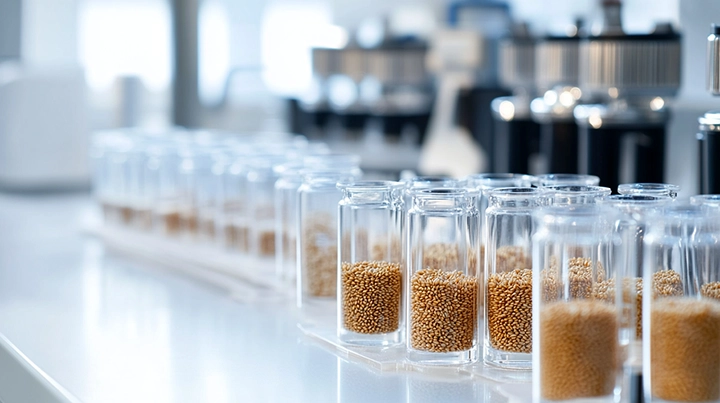
This study didn’t just look good on paper. It validated a powerful analytical method that more countries should be copying. Using LC-MS/MS combined with solid-phase extraction (SPE), researchers could detect ultra-low levels of multiple mycotoxins with high precision and accuracy.
Here’s the kicker: this approach aligns with EU regulatory guidance on mycotoxins. That means it’s ready for prime time in international trade and public health labs. Countries in Southeast Asia and beyond can adopt this protocol almost plug-and-play. For regulatory science, that’s a game-changer.

Policy Lag vs. Mold Reality
Let’s talk regulation. Most food safety laws globally set individual limits for each toxin: x ppb of DON, y ppb of ZEA, etc. But what happens when you have three toxins, all below the legal limit, in the same bite of cereal? No one really knows. That’s the regulatory blind spot this paper exposes.
It’s time for multi-toxin exposure models. Risk assessments need to start considering the cocktail effect. This means updating food codes, revising tolerable daily intakes, and educating both manufacturers and consumers.
Because co-contamination isn’t rare. It’s just under-detected.

More Tests, Better Labels, Smarter Policy
This Korean surveillance study isn’t just data—it’s a blueprint. It tells us:
Mycotoxins like to hang out together, and they don’t play nice.
Grain-based foods, even trendy ones, are key hotspots.
Modern testing tech is ready to keep up—if regulators are.
If you’re a food company, it’s time to go beyond single-toxin screening. If you’re a policymaker, your exposure models are due for an update. And if you’re a health-conscious shopper, don’t panic—but do stay informed. Because in the world of mold, what you don’t see on the label might matter most.
As always, Nick from MoldNewsHub will be here sniffing out the hidden truths—one contaminated kernel at a time.