Breathing Isn’t Supposed to Hurt
It used to be that spring brought relief—a time to open the windows, let in the breeze, and step outside.
But in 2025, something has changed. The air no longer feels clean.
For many, it’s not refreshing—it’s irritating.
The first breath of the morning comes with a scratchy throat, a foggy head, or a sneeze that doesn’t stop.
For some, it feels like allergies. For others, something deeper. More lasting. And more frightening.
Across the United States and beyond, mold spores are quietly rising to the surface of a growing health crisis.
They’re in the air, they’re in our homes, and they’re getting stronger.
This isn’t just a seasonal inconvenience anymore—it’s the result of a climate that’s changing faster than our systems can adapt.

Source: Wikimedia Commons, CC BY-SA 4.0
Mold’s Perfect Storm
The CDC is clear: mold can cause stuffy nose, wheezing, red or itchy eyes and skin—and for people with mold allergies, asthma, or compromised immune systems, the effects can be severe.
Children, older adults, and those with respiratory illnesses are particularly vulnerable.
But mold isn’t just surviving—it’s thriving.
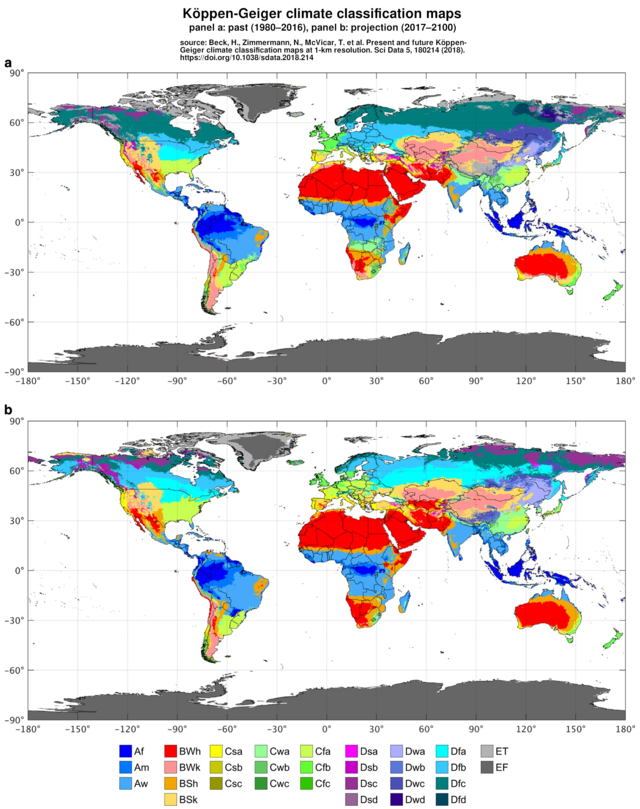
With warmer winters and humid summers, mold finds the perfect storm of conditions. Spores that would normally die in cold snaps now stay active year-round.
Rainy seasons last longer, and extreme weather leaves behind water damage that never quite dries.
Floods, hurricanes, and even heavy storms are no longer one-off events—they’re part of the new normal.

Source: Wikimedia Commons, CC0
These shifts are subtle. You don’t need a flood for mold to grow.
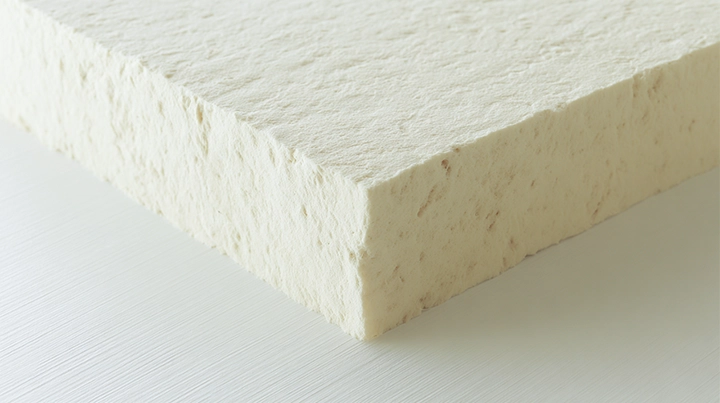
You just need a damp corner, a bit of cellulose, and time. And mold always finds the time.
Your home could be spotless and still harbor airborne spores that trigger real symptoms.
Not Just a Basement Problem
For decades, mold was seen as a building issue—something you found under carpets, behind drywall, or near leaking pipes.
But now, it’s becoming an air quality issue—indoors and out.
Mold spores are being picked up by wind, traveling farther, staying active longer, and reaching places they didn’t used to go.
Recent allergy data backs this up.
The American College of Allergy, Asthma & Immunology (ACAAI) has reported spikes in mold-related allergies earlier in the year—with higher intensity and longer duration.
What used to be a few tough weeks in spring has stretched into an unpredictable, year-round fight for clean breathing.
In support of this, a 2024 University at Buffalo study led by Dr. Heather Leather found a 27 % increase in airborne fungal allergens during unseasonably warm springs.
The findings highlight how climate variability is reshaping fungal behavior—and increasing our exposure.
Dr. Leather noted,
“This isn’t just allergy season anymore. It’s mold season, and it lasts longer every year.”
Generated by AI based on University at Buffalo data (2024)
It’s showing up in schools, office buildings, and homes that look perfectly clean.
Because mold-related symptoms often mimic other conditions—fatigue, brain fog, chronic coughing, sinus infections—it often goes undiagnosed.
For many people, especially those juggling caregiving responsibilities or managing a household, these subtle symptoms are brushed aside or misattributed to stress.
The System Can’t See It—Yet
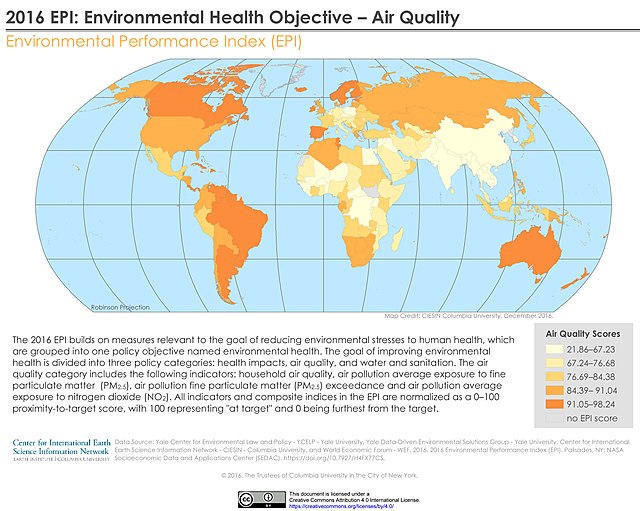
Most public air quality monitors track pollution—ozone, particulate matter, smog.
But few track biological contaminants like mold.
That means even when the air “looks” clean, it may still be filled with spores.
And unlike visible mold on walls or ceilings, airborne mold is invisible.
You can’t always smell it. You can’t see it floating through a sunbeam.
But your body knows it’s there.
This gap in our monitoring systems means that families struggling with unexplained symptoms often have no answers.
They may invest in air purifiers, clean constantly, or run dehumidifiers—still unaware that the culprit is in the very air they breathe.
Without the right testing tools and public awareness, mold keeps winning quietly.
Source: Wikimedia Commons, CC BY-SA 3.0
That’s what makes this moment so critical. Because mold doesn’t just affect health.
It undermines trust in our buildings, our policies, and even our own sense of safety.
And right now, the infrastructure to fight it doesn’t exist at the scale we need.
What We Can Do Now
We don’t need to panic. We need to prepare.
And the first step is awareness.
If you feel worse after it rains—or better when you leave the house—mold might be in your air.
If your child has developed a lingering cough or rash that doesn’t go away, don’t dismiss it as seasonal.
If you’re buying or renting a home, ask about water damage, roof repairs, and moisture control strategies.
Get an air quality test when in doubt.
On a broader scale, we need stronger public health messaging that includes fungal exposure as part of climate adaptation.
Just like we have campaigns about UV exposure or mosquito-borne illness, we need education on indoor air risks—especially in schools, housing developments, and healthcare centers.
Building codes must reflect the realities of a warming world.
Homes in flood-prone or humid areas must use mold-resistant materials.
Insurance should cover remediation, and air monitoring systems must evolve to track biological threats, not just chemical ones.
Final Breath
This isn’t just about mold.
It’s about breathing without fear.
It’s about knowing your home won’t make you sick.
It’s about having the knowledge to protect your family—and the tools to demand better from the systems meant to protect us.
The fungal frontier is no longer hidden.
It’s in our bedrooms. Our schools. Our workplaces.
And for the millions managing invisible symptoms—feeling dismissed or misdiagnosed—this moment is a call to pay attention.
Mold, as quiet as it seems, is one of climate change’s loudest warnings.
Let’s listen. Let’s act.
Let’s clear the air—together.
Source: NASA Earth Observatory / Wikimedia Commons, Public Domain