A Silent Mold with a Dangerous Talent
Some pathogens strike with brute force. Aspergillus fumigatus prefers something more subtle. Most people inhale its spores daily with no consequence, yet inside hospitals and immunocompromised lungs, this common mold becomes a master strategist. A new study in The FASEB Journal reveals its latest tactic: a biochemical sabotage carried out from within the very immune cells meant to kill it.

Rather than avoiding macrophages — the body’s frontline phagocytes — A. fumigatus reprograms them. It pushes these cells into the Warburg effect, the same high-flux glycolytic state that powers aggressive cancer metabolism. Once the fungus triggers this metabolic shift, macrophages lose the mitochondrial energy profile required for antimicrobial activity. The fungus does not evade immunity. It dims immunity from the inside, switching off the cell’s killing machinery without ever needing to hide.

The Warburg Effect: A Metabolic Switch with High Stakes
To understand how consequential this shift is, it helps to look at what healthy macrophages normally do. In their antimicrobial state, macrophages rely on oxidative phosphorylation, the mitochondria-driven energy pathway that fuels the production of reactive oxygen species, proteolytic enzymes, and the cellular machinery needed to dismantle pathogens. This mode is slower but potent — a biochemical stance built for defense.

The Warburg effect replaces this with aerobic glycolysis, a faster but inefficient system. While aerobic glycolysis provides quick bursts of energy, it starves immune cells of the mitochondrial output required to kill invaders. In cancer, the Warburg effect fuels uncontrolled growth. In fungal infections, according to this study, it disarms the very cells designed to protect the host.
When A. fumigatus forces macrophages into this glycolytic state, mitochondrial respiration falls silent, and with it the immune system’s precision.

Inside the Experiment: How the Fungus Flips the Switch
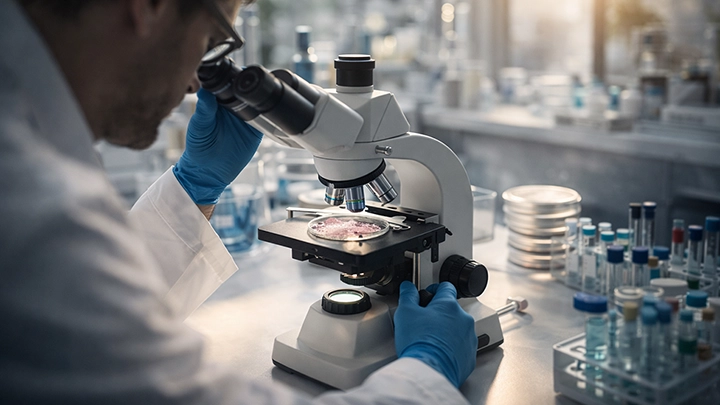
The research team employed gene expression profiling, metabolic flux analysis, and live fungal survival assays to map the fungal intervention. The pattern was unmistakable: macrophages exposed to A. fumigatus rapidly upregulated glycolysis-associated genes while downregulating those required for mitochondrial function. Within hours, the cells entered a metabolic identity crisis — high glycolytic flux with diminished oxidative capacity.

The decisive moment came in the reversal experiment. When researchers chemically inhibited glycolysis, macrophages regained fungal-killing ability. This restored activity confirmed that the fungus-driven metabolic shift was not incidental damage. It was a deliberate manipulation of the host cell’s energetic architecture.
In essence, A. fumigatus hijacks the immune cell’s power grid and reroutes it toward dysfunction.
A New Direction for Antifungal Medicine
These findings shift the therapeutic landscape. Traditional antifungal drugs target fungal membranes, enzymes, or reproductive pathways. But if disease progression depends on the fungus suppressing macrophage metabolism, then the next wave of treatments may need to focus on restoring host function rather than attacking the pathogen directly.

Interventions that sustain mitochondrial respiration, reinforce metabolic stability, or prevent fungus-induced glycolysis could strengthen the immune system’s own antifungal capacity. This could be particularly impactful for vulnerable populations: solid-organ transplant recipients, chemotherapy patients, individuals on corticosteroids, and older adults — all groups whose immune metabolism may already be compromised.
Instead of killing the mold outright, future therapeutics may reawaken the cell capable of doing the killing.
Fungal Pathogenesis Enters a New Phase
This study does more than describe one fungal trick; it reframes fungal disease as a contest of metabolic engineering. If A. fumigatus can selectively manipulate macrophage pathways, other pathogenic fungi may use similar strategies. The battlefield is no longer limited to spores in the alveoli or hyphae in tissue. It stretches into the biochemical circuitry of the host immune cell.
This aligns with a growing pattern across MoldNewsHub reporting: fungi are not passive invaders but active architects of the cellular environments they inhabit. They negotiate survival through chemical modulation, energy redirection, and subtle sabotage — strategies requiring cross-disciplinary insight from immunology, biochemistry, and fungal biology.
A War of Energy, Not Edges
This latest discovery reframes fungal pathogenesis as a problem of energy dynamics. A. fumigatus does not overpower macrophages — it exhausts them. It dims the lights in the cell’s metabolic control room until the immune machinery slows to a halt. That inversion is unsettling, but it also points to a new frontier: immunity strengthened through metabolic intervention.
If fungi can impair mitochondrial pathways, then supporting those pathways becomes as crucial as developing new antifungals. The story of fungal disease becomes a story of cellular energy — how it is generated, how it is stolen, and how it can be restored.
References
Academic Sources
Gonçalves, S. M., et al. (2024). Aspergillus fumigatus induces metabolic reprogramming of macrophages via glycolysis activation. The FASEB Journal.
Kelly, B., & O’Neill, L. A. J. (2015). Metabolic reprogramming in macrophages and dendritic cells. Journal of Leukocyte Biology.
Vander Heiden, M. G., et al. (2009). Understanding the Warburg effect. Science.
DOI: https://doi.org/10.1126/science.1160809
Official Sources
Centers for Disease Control and Prevention (CDC) — Aspergillus and aspergillosis
https://www.cdc.gov/fungal/diseases/aspergillosis
National Institutes of Health (NIH) — Immune metabolism research
https://www.nih.gov
World Health Organization (WHO) — Fungal disease overview
https://www.who.int