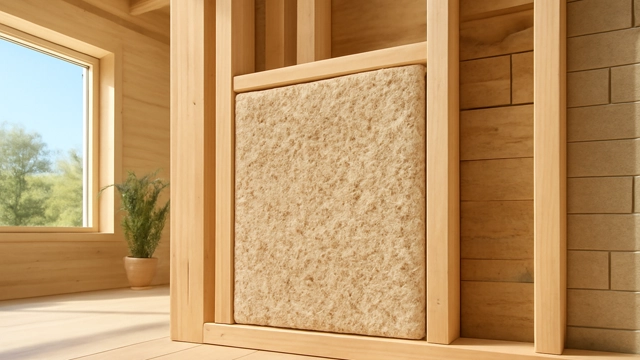
Imagine walking into a home where the walls weren’t poured, molded, or nailed—but grown. Not in a factory, but in a controlled ecosystem of straw, spores, and time. Now imagine those same walls silently storing carbon, resisting mold, and offering thermal comfort without petrochemicals.
Welcome to the quiet revolution of fungal architecture, where nature’s most underestimated builder—mycelium—is reshaping the bones of our buildings.
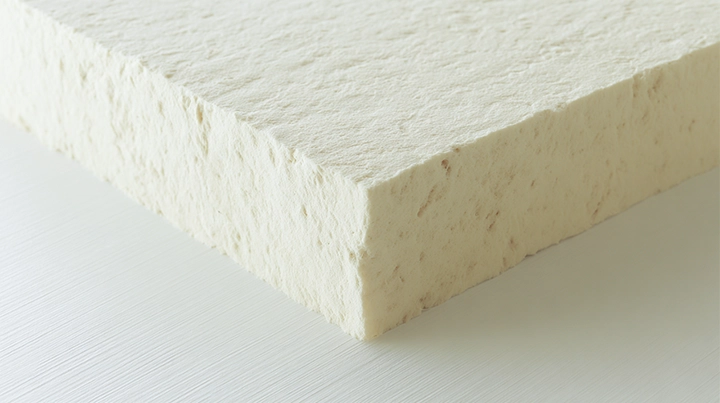
In the town of Hof, Germany, something remarkable is taking root—literally. At the Hof University of Applied Sciences, the research initiative “Mycobuild” is pioneering a new class of insulation panels made from fungal mycelium and agricultural straw waste. These materials aren’t just sustainable; they embody a paradigm shift.
They’re not manufactured. They’re cultivated.
And that changes everything.

From Underground Web to Wallboard
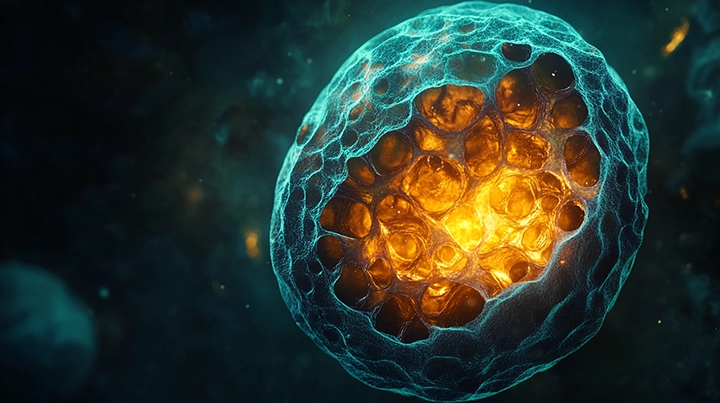
Mycelium—the branching, root-like structure of fungi—is nature’s network engineer. It binds soil, breaks down waste, and forms symbiotic alliances with plants. In this new role, it’s also proving to be a formidable construction material.
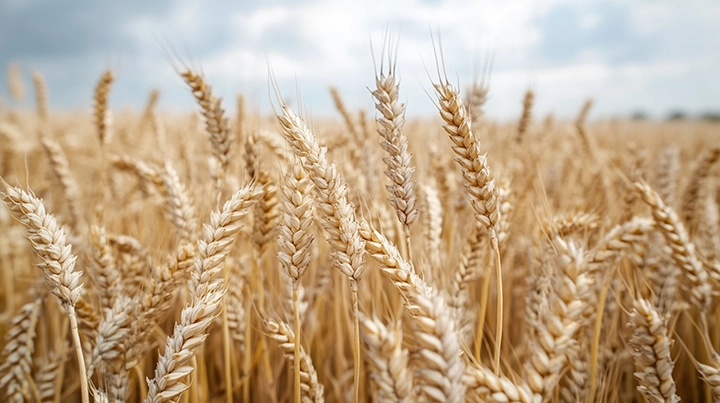
The process starts simply. Agricultural straw, otherwise destined for compost or landfill, becomes the dinner plate. Fungal spores, often from oyster mushrooms, colonize the straw. As they digest the fibers, their mycelium spreads—binding the substrate into a lightweight, foam-like matrix filled with microscopic air pockets.
These air gaps provide insulation properties comparable to conventional foam panels.
Once the structure stabilizes, it’s dried and heat-treated, killing the fungus but preserving its form. The final step adds a mineral-based coating, improving mechanical strength, water resistance, and—critically—preventing future mold colonization.

More Than Just “Eco-Friendly”
The real promise of mycelium insulation isn’t just its greenness—it’s what it un-does.
Where traditional insulation materials like polystyrene and polyurethane foam are fossil-fuel-intensive and toxic at end-of-life, mycelium boards flip the script:
- Carbon Negative: Fungi absorb CO₂ during growth, and the finished board locks that carbon in.
- Locally Sourced: No mining or global shipping—just straw, spores, and air.
- Biodegradable: When it’s finally time to tear down, the material can return to the soil.
- Mold-Resistant: Ironically, fungi know how to defend against fungal invasion. The mineral coating ensures the dead mycelium doesn’t become a buffet for other spores.
It’s not merely less harmful than synthetic insulation—it’s potentially net-positive.

The Challenges Ahead
No innovation blooms without hurdles. The Mycobuild team is transparent about the work that remains:
- Moisture Control – While the mineral shell helps, insulation that absorbs water is risky long-term. More real-world hydrophobicity testing is needed.
- Biological Consistency – Fungal growth is finicky. Temperature, humidity, and nutrient balance must be precisely tuned to prevent contamination and ensure uniformity.
- Performance Benchmarking – Mycelium panels must match or surpass synthetic insulation in R-value, fire resistance, and load-bearing capacity. Certification and scaling require extensive validation.
Still, for every question raised, a vision sharpens: buildings grown instead of built.
A New Role for Fungi in the Built Environment
This isn’t just a story about insulation—it’s a challenge to rethink material trust.
Buildings account for nearly 40% of global CO₂ emissions when considering both materials and energy. Mycelium-based materials can reduce emissions before the first switch is flipped.
More importantly, they redefine what green building means:
not just solar panels or low-E windows, but material health, localized production, and circular lifecycles.
We’ve long typecast fungi as decomposers—agents of rot and ruin. But what if we flipped that narrative?
What if fungi weren’t just the end of materials… but their rebirth?

The Age of Living Architecture
Fungi built vast underground networks long before humans built walls. They’ve held ecosystems together—silently, out of sight. Now, they might hold buildings together too—with less carbon, less cost to the planet, and more elegance than industrial chemistry ever achieved.
The age of concrete and crude oil gave us shelter. The age of biology may give us homes that heal.
Let’s not just grow insulation. Let’s grow a new relationship with the materials we live among.
Because if fungi can learn to build, perhaps we can learn to trust nature to design our future.